Bangkok Metro Expansion: Measuring the Impact of the Orange Line
With its eastern section nearing a 2028 opening, the MRT Orange Line signals a shift in urban living patterns.
BANGKOK
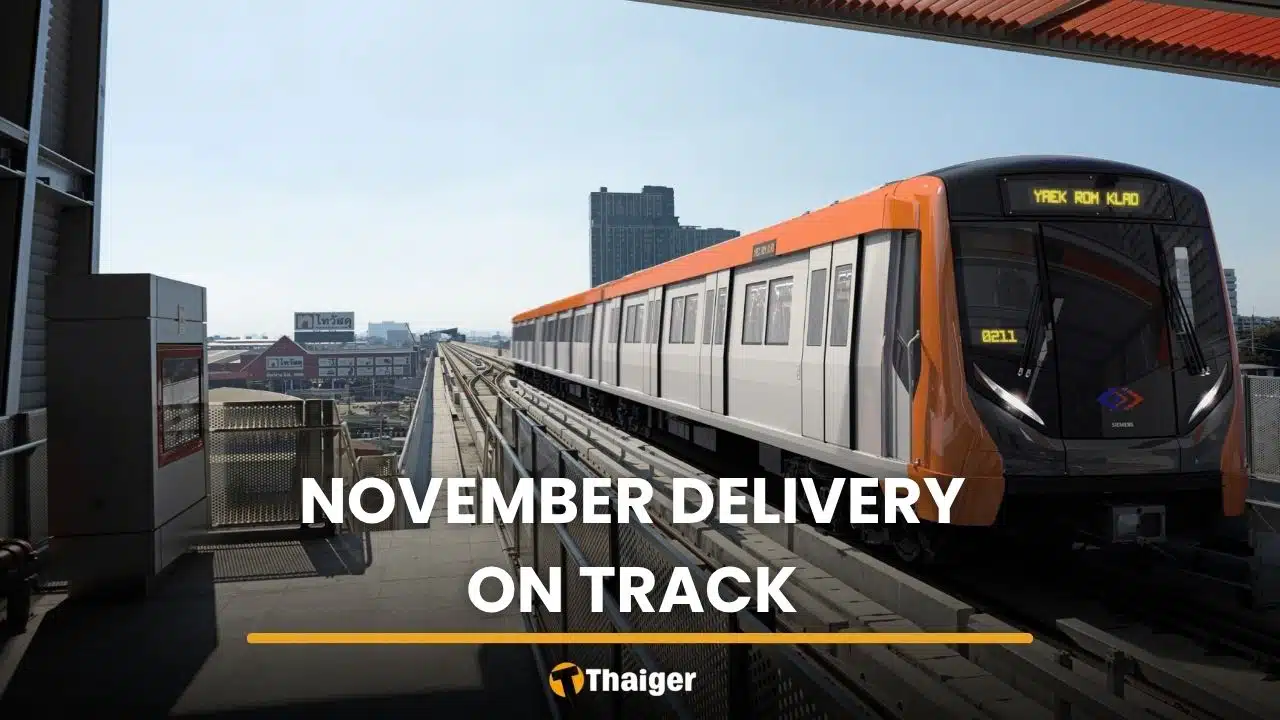
The first train for Bangkok's MRT Orange Line is set to arrive in late November, marking a concrete step toward passenger services beginning on the eastern section in 2028. Its production and factory testing are complete in Turkey. It is now slated for further trials in Germany to confirm its quality and safety before shipment to Thailand. Bangkok Expressway and Metro Public Company Limited, or BEM, will operate the Orange Line. The company states a second train is undergoing testing in Turkey, with additional units in production according to schedule.
Civil construction for the eastern section, connecting Thailand Cultural Centre and Min Buri, is already complete. The projected opening for passenger services is 2028. This development introduces a new public transport option for residents in Bangkok's eastern districts. The implication is a potential reduction in the daily reliance on private vehicles or less formal transport arrangements.
New infrastructure like a metro line can alter how residents navigate the city. Expanded metro access often influences housing decisions, as individuals and families consider proximity to transport hubs. It may also affect local commerce by making certain areas more accessible to a broader pool of customers and employees. The central question for residents is whether the new line will significantly reduce travel times and congestion, or primarily shift these challenges to other parts of the network.
The development of significant infrastructure projects in Bangkok has historically been a complex process. While such projects can face public dissatisfaction regarding disruptions or timelines during construction, once operational, they typically integrate into the city's daily rhythm, becoming a routine element of millions of commutes. The reported progress on the Orange Line suggests that the city's transport network continues to evolve, impacting both long-term residents and new arrivals.
The actual change in individual monthly routines and expenses will depend on factors such as fare structures, integration with existing public transport, and the overall reliability of the service once it commences. The commitment to further trials in Germany before deployment indicates an emphasis on operational readiness. However, the real test will begin with daily usage by Bangkok's commuters in 2028.
Sources
Newsletter
Pacific Daily
A curated briefing from Thailand, Asia-Pacific and the world.