Baja Rally's Detour Shows Weather's Grip on Coastal Economies
An unexpected stop for the Baja XL Rally in San Ignacio highlights how severe weather can alter event logistics and redirect economic activity in the Pacific Rim.
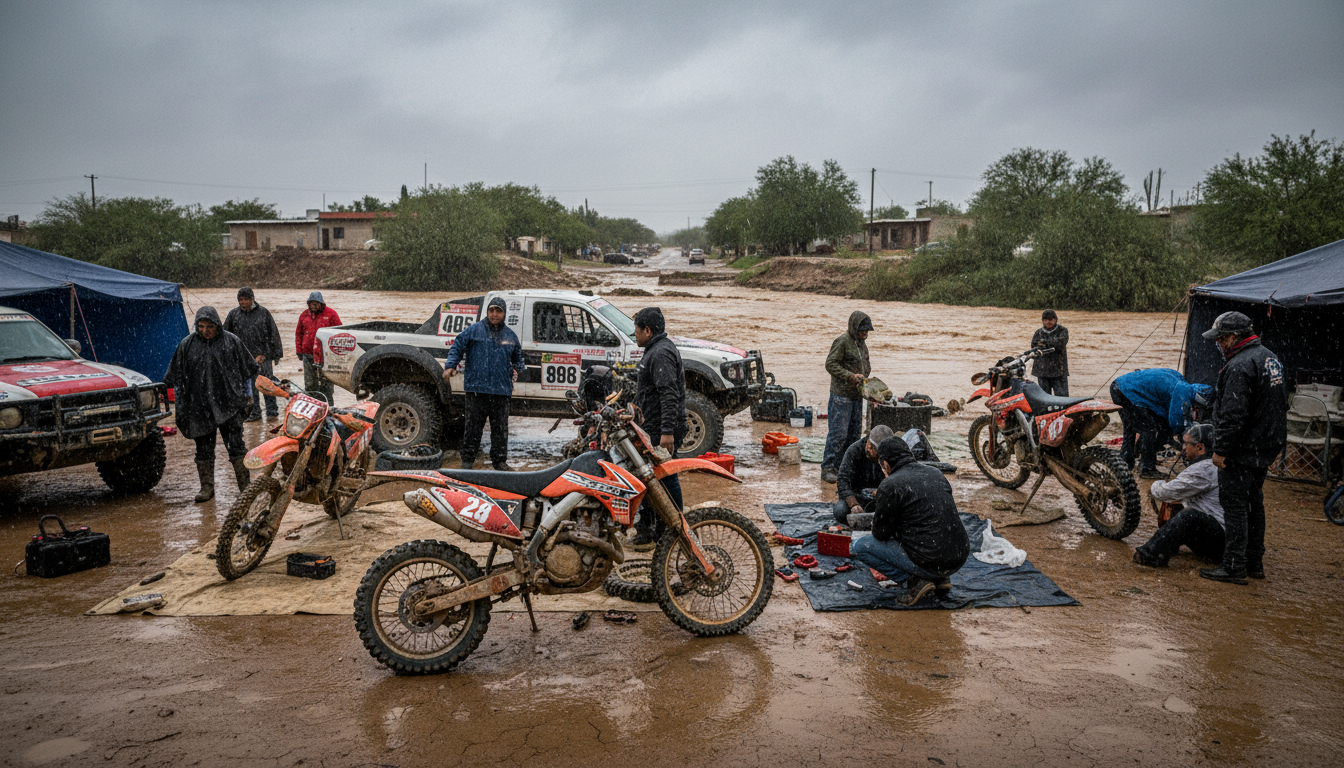
The Baja XL Rally's experience in San Ignacio, a town with a Misión San Ignacio founded nearly 300 years ago, illustrates the vulnerability of regional events to natural forces. While Mexico News Daily reported on October 11, 2026, the town appeared "beautiful and vibrant" during the rally's second visit, this passage occurred within weeks of a major storm impacting the Mexican Pacific coast.
Hurricane Polo threatened Mexico's Pacific coast, with landfall anticipated on a Monday, as reported by Reuters. Another Reuters report stated that Mexico's Baja braced for the hurricane's near landfall. AP News detailed winds whipping Mexico's northern Pacific coast and some streets flooding as the hurricane neared. The Straits Times also noted Mexico's Pacific coast bracing for the hurricane's life-threatening landfall. Hurricane Polo made landfall with life-threatening winds and flooding, according to BBC reporting.
This sequence of events suggests the rally navigated a region recently affected by severe weather. The Mexico News Daily account of the Baja XL Rally's second visit to San Ignacio describes the Fire Department San Ignacio, with the vice mayor and comandante, greeting the participants. Such an organized public welcome can signal a community's appreciation for external events, particularly if they bring economic engagement. Small, family-owned restaurants with open patios filled the square, indicating commerce from such a stop.
Contingency and Coastal Commerce
For major events that traverse extensive coastal areas within the Pacific Rim, contingency planning against natural phenomena is critical. The rally's return to San Ignacio implies a deviation from its original trajectory, possibly influenced by the aftermath of Hurricane Polo. This shift would redirect participant spending to San Ignacio, potentially benefiting local businesses there that might not have been primary beneficiaries of the initial route. The immediate welcome from local authorities points to an understanding of the economic value derived from such an unexpected influx.
This dynamic extends beyond Baja California. Regions across the Pacific Rim, including Thailand, face similar vulnerabilities to severe weather. An unexpected typhoon, for example, could force a sailing regatta or a road rally to alter its course, necessitating rapid logistical adjustments. Such changes redistribute economic benefits. A revised itinerary can introduce participants to new local economies, offering a temporary boost to communities prepared to host them.
The underlying economics for event organizers involve balancing participant experience with safety and logistical feasibility. While the Mexico News Daily piece highlighted the subjective experience of Ryan G. Christen, the broader context reveals the complex interplay of weather, route adaptation, and local economic engagement. The rally passed through San Ignacio on Day 8, following Hurricane Polo's landfall. This indicates that while the weather event had passed, its influence on travel plans remained, requiring adaptive routing and schedule adjustments.
The ability of such events to maintain local engagement, especially when adapting to environmental conditions, depends on resilient local infrastructure and clear communication. The interaction between large-scale events and local economies remains susceptible to forces beyond direct control.
Sources
Newsletter
Pacific Daily
A curated briefing from Thailand, Asia-Pacific and the world.