Australia's Shifting Earth: Copper's Rise, Coal's Retreat, and a Pacific Balancing Act
As its domestic economy reorients towards copper and away from coal, Australia faces complex questions about its regional leadership and environmental integrity in the Pacific.
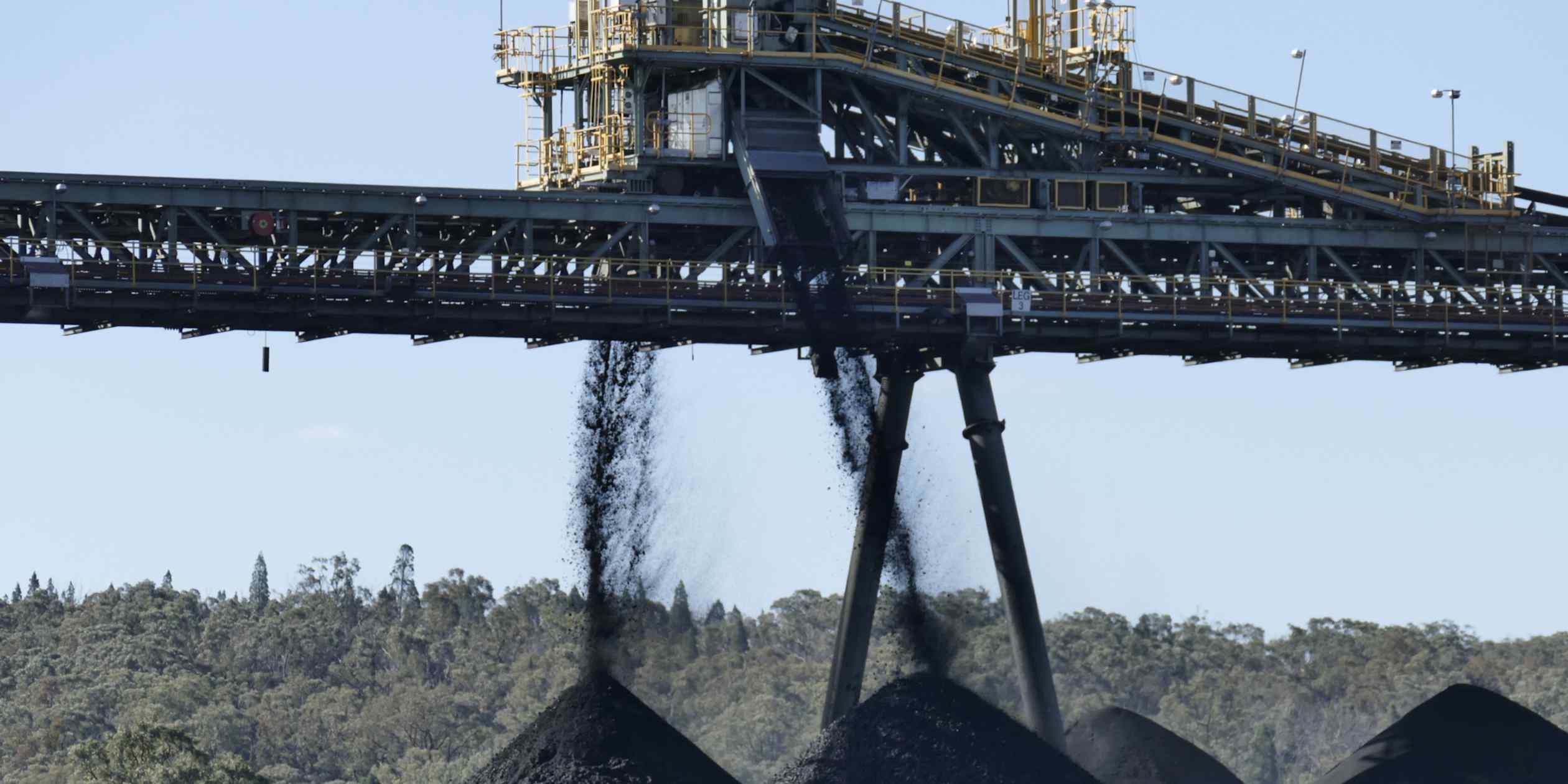
The ground beneath Australia moves, not just geologically, but economically. While copper mines experience a boom, coal operations struggle for survival. This internal reordering of the resource sector, reported by Nikkei Asia on 2026-10-13, marks a significant moment for a nation whose identity and influence have long been tied to its extractive industries.
Historically, the continent’s vast coal reserves fueled an economy and an export relationship with Asia that appeared unshakeable. Yet, as the world looks towards electrification, the demand for minerals like copper intensifies. One industry ascends with global trends; the other contends with obsolescence. For some, this pivot signifies progress, an alignment with global decarbonisation efforts. For others, particularly Pacific nations, the view from abroad appears more contradictory.
Australia’s fossil fuel expansion is seen by some as a "slap in the face" to Pacific nations, as ABC News & Headlines reported on 2026-10-04. This perspective highlights a tension between domestic economic priorities and regional environmental responsibilities. Even as the nation moves towards a greener mineral export profile, the continued, albeit struggling, presence of its fossil fuel sector complicates its diplomatic messaging. Australia and the U.S. committed USD 580,000,000 to support Pacific Island nations, a move reported by Reuters on 2026-09-01. Such financial commitments stand, however, against the backdrop of policies that appear to undermine climate resilience in these vulnerable states. This dynamic creates a perception of an Australia offering assistance with one hand while potentially contributing to the problems with the other.
The Lowy Institute noted on 2026-09-15 that Australia exhibits a "Pacific amnesia," a forgetfulness of its commitments and impact. Such an assessment points to a disjunction between proclaimed regional solidarity and the actual consequences of its resource policies. What Australia asks of its land, in turn, dictates what it asks of its neighbours. The push for copper mining, while a response to global demand for renewable energy components, still carries environmental costs and requires careful management to avoid simply exchanging one form of impact for another.
This rebalancing of Australia’s primary exports – a decline in coal, an increase in copper – suggests an economic landscape evolving under pressure from both market forces and environmental imperatives. The success of copper mining offers a pathway to a future where Australia’s resource wealth can serve global green initiatives. The persistence of the coal industry, even as it struggles, means Australia navigates a complex regional perception. The continent finds itself at a crossroads, where the direction of its extractive industries will continue to shape not only its economy but also its standing among its Pacific neighbours, continually adjusting the balance.
Sources
Newsletter
Pacific Daily
A curated briefing from Thailand, Asia-Pacific and the world.