Aquaculture's Expansion Challenges Asia-Pacific Coastal Resilience
A proposed global fisheries roadmap risks diverting wild fish stocks, altering regional food systems.
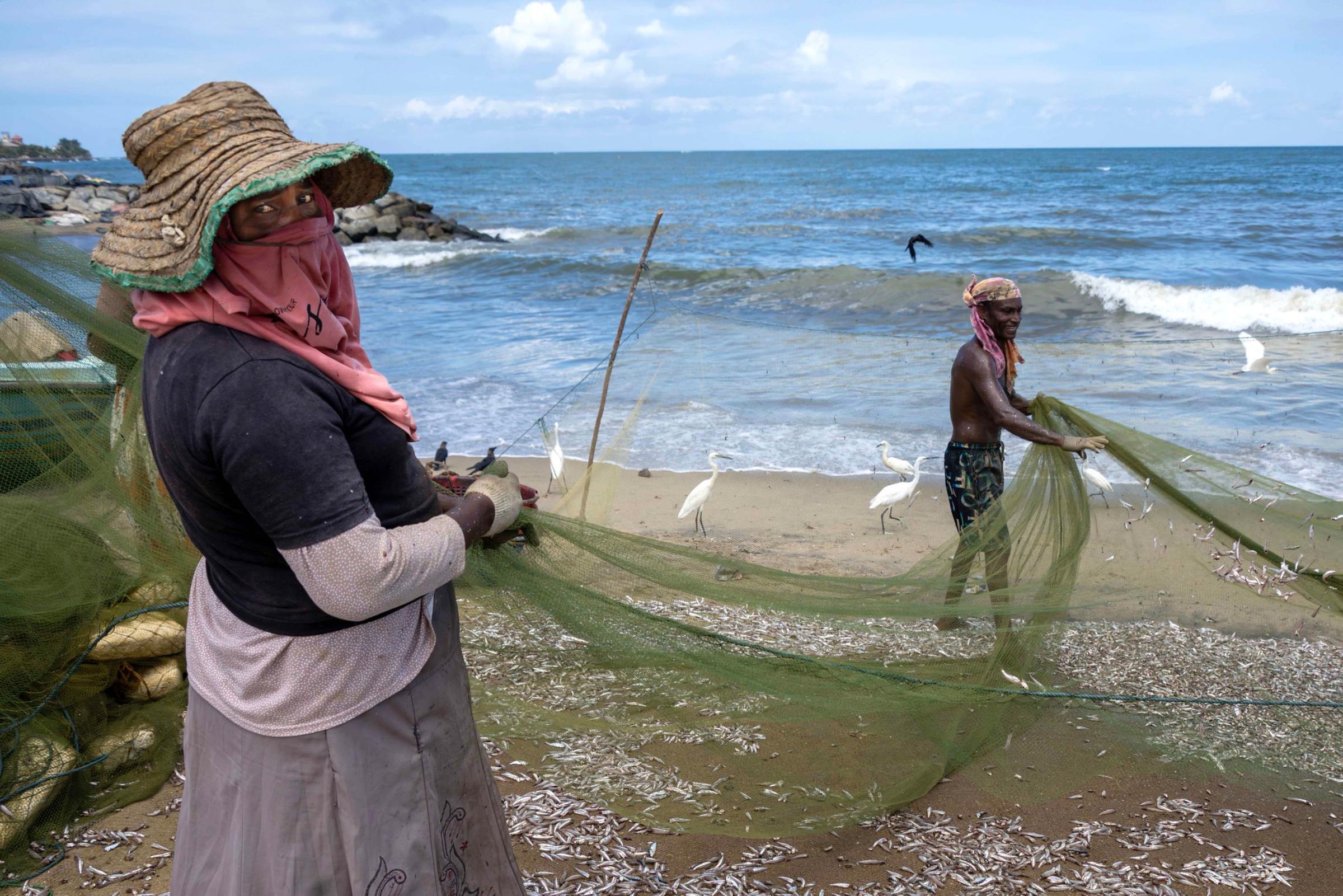
The sea, for many nations, is both a boundary and a resource. For Thailand and its neighbors across the Pacific Rim, this duality presents a distinct tension as global ambitions for aquaculture growth intensify. A report, published by the UK-based NGO the Changing Markets Foundation, indicates a significant potential shift: nearly half of the world’s wild-caught fish could be diverted to feed farmed aquaculture products by 2040. This projection is contingent on the industry growing exponentially in line with a roadmap developed by the U.N. Food and Agriculture Organization (FAO).
This approach, discussed at the 37th meeting of the Committee on Fisheries (COFI) in Rome, outlines a global trajectory for fisheries development. The FAO’s vision, as interpreted by the report, suggests prioritizing the expansion of farmed fish and shrimp. However, the mechanism proposed to sustain this growth relies heavily on a finite resource—wild fish. Historically, coastal communities in Southeast Asia have depended on wild fish stocks for both sustenance and livelihood. The redirection of these stocks from direct human consumption or ecosystem support to aquaculture feed presents a fundamental shift, potentially redefining who benefits from marine resources.
The logic underpinning this industrial expansion often posits that aquaculture offers a controlled, efficient means to meet rising global protein demands. Yet, criticism has emerged, with some describing the practice of “grinding up fish to feed to fish” as “absurd.” This perspective highlights a contradiction: the proposed solution to food security may exacerbate pressure on marine ecosystems already under stress. The Asia-Pacific region, with its extensive coastlines and reliance on marine resources, stands to experience direct consequences from such a policy shift. Increased demand for wild-caught fish as feed could lead to overfishing in regional waters, impacting local economies and the dietary staples of millions.
While the FAO’s roadmap aims to guide global food production, its implications for regional resource allocation are considerable. The push for exponential aquaculture growth, fueled by wild-caught inputs, could lead to a scenario where distant policy decisions dictate the viability of local fishing practices and food systems. The unresolved tension lies in how global production targets reconcile with the ecological limits and socio-economic needs of specific coastlines. The question remains whether the benefits of industrial aquaculture, as envisioned by the FAO, will outweigh the potential strain on the wild fish populations that sustain both the industry itself and the communities reliant upon them.
Sources
Newsletter
Pacific Daily
A curated briefing from Thailand, Asia-Pacific and the world.