Super El Niño’s Uneven Ripple: Asia’s Markets Face Distinct Climate Pressures
The anticipated record-breaking El Niño event is set to challenge established patterns across Southeast Asia, with Thailand’s agricultural and energy sectors particularly vulnerable.
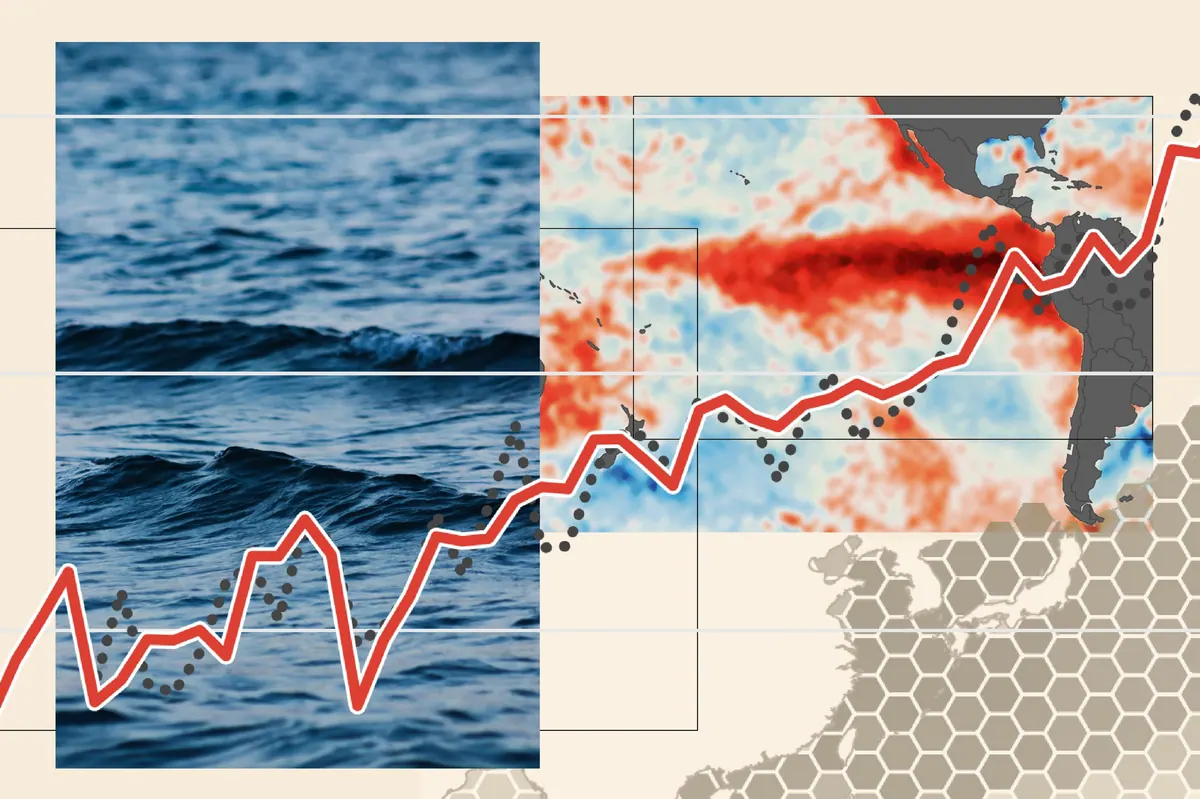
The current emergence of what Carbon Brief describes as a “super El Niño” event — expected to become the strongest on record — represents a significant deviation from recent climatological norms. While previous El Niño cycles have consistently driven global weather anomalies, the scale now anticipated suggests a pronounced and disparate impact across the Asia-Pacific region. This interruption of typical climatic patterns demands a re-evaluation of national strategies, particularly concerning food security and energy resilience.
Historically, strong El Niño events correlate with reduced monsoon rainfall in Southeast Asia and parts of South Asia. The 1997-1998 El Niño, for instance, led to widespread drought conditions across Indonesia and Thailand, impacting agricultural yields and contributing to regional haze events. In contrast, East Asia often experiences milder winters. This historical precedent suggests that the forthcoming “super El Niño” will not affect all markets uniformly; instead, it will exacerbate existing vulnerabilities and create new pressures specific to national economic structures.
For Thailand, a primary agricultural exporter, the implications are particularly acute. Reduced rainfall, an anticipated consequence of strong El Niño activity, directly threatens rice and other crop production. The Department of Agriculture’s historical data indicates that significant declines in yields often follow periods of prolonged drought. Water management policies, already under strain from growing industrial and urban demand, will face intensified pressure. Furthermore, a reliance on hydropower, a key component of Thailand’s energy mix, becomes precarious during extended dry spells, potentially necessitating increased fossil fuel imports and thereby impacting energy costs and national budgets.
Conversely, countries like Vietnam, while also agricultural, might experience different effects, such as increased typhoon activity post-El Niño, as observed in some past cycles. Australia’s agricultural sector, too, has historically suffered from El Niño-induced droughts, but its economic diversification offers a different buffer than that available in predominantly agrarian economies. This regional variance underscores that while the meteorological phenomenon is global, its economic and social consequences are highly localized, demanding country-specific adaptive measures rather than broad regional prescriptions. The claim by Carbon Brief that this El Niño will “reshape the world’s weather” implies a systemic shift rather than a temporary fluctuation.
Some analysts suggest that improved meteorological forecasting and earlier preparedness measures, learned from past El Niño events, could mitigate the severity of these impacts. While advances in climate modeling are evident, the sheer magnitude of a “super El Niño” introduces variables that may challenge even sophisticated adaptive capacities. The unprecedented strength of the predicted event may test the limits of existing infrastructure and policy frameworks, particularly in developing economies with less fiscal space for contingency planning. Whether current national preparedness can adequately absorb the shocks of an El Niño of this projected intensity remains an open question, especially concerning long-term agricultural stability and the associated societal implications. The constraint that remains unresolved is how fragmented national responses will collectively manage a global climate phenomenon with such diverse regional outcomes.
Sources
Newsletter
Pacific Daily
A curated briefing from Thailand, Asia-Pacific and the world.