Andaman's Coral Castles Under Siege: Similan's Fight for Future
As 2026 dawns, Tom Castellano reports exclusively from Thailand's Similan Islands on the escalating environmental crisis and the tenacious community efforts to safeguard one of Earth's most vibrant marine ecosystems.
SINGAPORE
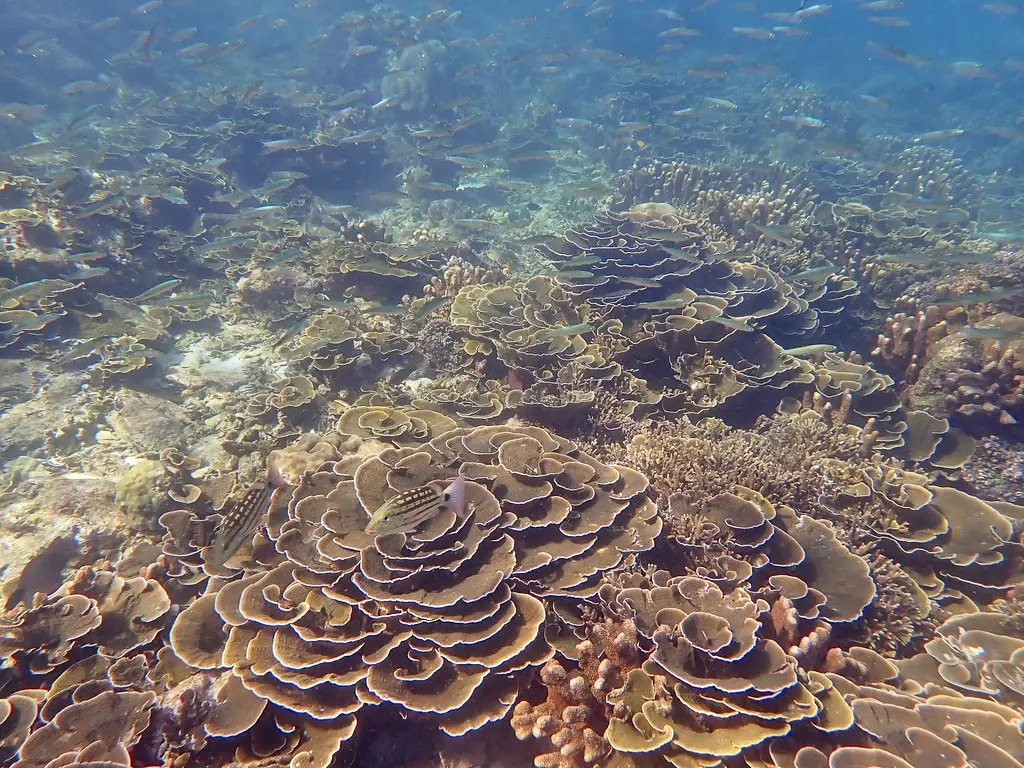
KOH PHAYANG, THAILAND – The sapphire waters surrounding the Similan Islands, once an almost mythical haven of biodiversity, are facing an unprecedented crucible in 2026. From the deck of the conservation vessel ‘Manta Hope,’ just a stone's throw from the iconic Sail Rock, the clarity of the water at 20 meters deep still reveals glimpses of the vibrant, living tapestry below. Yet, the shadows of environmental degradation are long, threatening to dim this aquatic masterpiece forever. My recent dives here, especially around Hin Pousar, paint a stark picture: coral bleaching incidents, once sporadic, are now alarmingly frequent, exacerbated by rising sea temperatures and increasingly acidic waters.
Dr. Suporn Jitsomboon, a marine biologist with the Andaman Marine Science Institute, who accompanied my team, pointed to a patch of Montipora coral, its once vivid purple now faded to a ghostly white. “This isn't just about pretty colours, Tom,” she explained, her voice tinged with urgency as we surfaced near Koh Bangu. “Each bleached colony is a supermarket shutting down, affecting hundreds of species that depend on it for food and shelter. We estimate a 15% decline in hard coral cover across the main Similan dive sites since late 2024, a rate that frankly terrifies us.” She cited NOAA data showing the Andaman Sea’s average surface temperature for the last quarter of 2025 was 1.5°C above the 30-year average, a critical threshold for coral health. The data isn't lying; what I witnessed firsthand underwater confirms the gravity of her statement.
But this isn't a story solely of decline; it is also one of remarkable human spirit and ingenuity. The local communities, particularly the Moken people of Koh Phayam and the conservation-minded resorts in Khao Lak, are spearheading initiatives that blend traditional wisdom with modern science. The ‘Sea Guardians of Similan’ project, for instance, a collaboration between the Department of National Parks (DNP) and the local fishing cooperatives, has trained over 150 local divers in coral restoration techniques. I watched as Pongsakorn 'Porn' Khongmee, a Moken elder whose family has fished these waters for generations, carefully cemented a juvenile brain coral onto a dead reef patch near Koh Meang. His weathered hands moved with a precision born of deep respect for the ocean. “We take from the sea, so we must give back,” Porn told me later, his eyes reflecting the deep blue of the Andaman. “This is our home, our future. If the coral dies, so do we.”
"This isn't just about pretty colours... Each bleached colony is a supermarket shutting down, affecting hundreds of species that depend on it for food and shelter."
The Battle Against Plastic and Over-Tourism
The challenges extend beyond climate change. Plastic pollution remains a relentless foe. While the DNP's 2025 ban on single-use plastics within the national park boundaries was a welcome step, microplastics are ubiquitous. A recent report by the Environmental Justice Foundation, suggesting that the Similans are losing the battle against plastic, feels a touch too defeatist. My observations suggest a more nuanced reality: while plastic waste originating from distant shipping lanes and less regulated fishing vessels is a constant threat, local efforts are making a dent. Beach clean-ups, like the one I joined on Koh Miang involving volunteers from Patong, collected over 500 kilograms of marine debris in just one morning. This doesn't eradicate the problem, but it demonstrates a proactive, tangible response, not a surrender. Over-tourism, too, is a ghost of the past that still haunts the present. Although the DNP implemented strict visitor caps in early 2025, ensuring no more than 3,800 visitors per day across all nine islands – a significant reduction from the 2019 peak of 6,000 – the cumulative impact of past decades is still felt. Dive operators, now rigorously licensed and monitored, adhere to strict 'no-touch' policies and smaller group sizes, a welcome change from the free-for-all of yesteryear.
My visit confirmed that the Similan Islands, despite the undeniable environmental pressures, are far from a lost cause. The collective will of scientists, local communities, and an increasingly vigilant government offers a fragile but potent bulwark against total collapse. The fight is arduous, ongoing, and requires sustained international attention and resources, but the resilience of both the ecosystem and the people who cherish it offers a powerful message of hope. The coral castles of the Andaman are under siege, but their defenders are standing firm. Andamans' best hope for a vibrant future. The world needs to listen, and more importantly, act.
Newsletter
Pacific Daily
A curated briefing from Thailand, Asia-Pacific and the world.