A Rare FAA Ground Stop Halts United States Air Travel
Flight cancellations and delays ripple through terminals across the United States after federal regulators lift an extraordinary freeze
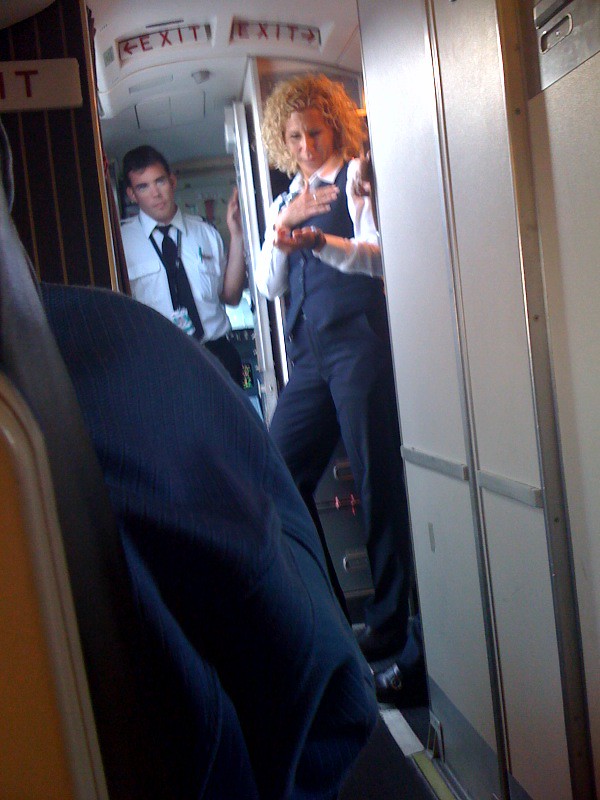
Departure boards across the United States shifted in unison when the Federal Aviation Administration declared a rare nationwide ground stop. Airplanes remained pinned at boarding gates while air traffic controllers halted domestic departures, turning busy concourses into holding pens of quiet confusion. Though the federal aviation regulator lifted the order later, cascading flight delays and cancellations continued across the country, stretching the disruption well into the weekend.
Major news organizations including CNN, NBC News, NPR, CNBC, Al Jazeera and Yahoo tracked the unfolding gridlock as passengers navigated sudden schedule revisions. A nationwide ground stop represents an extraordinary operational lever, holding flights at their departure cities rather than allowing aircraft to take off into an air traffic system unable to receive them. When such a command arrives from federal monitors, the coordinated choreography of civil aviation comes to an immediate, involuntary rest.
The Anatomy of an Abrupt Pause
Modern mass transit operates on assumptions of predictable circulation. Passengers trade freedom of movement for schedule precision, funneling through security checkpoints under the implicit contract that departures will proceed on time. When an agency halts all domestic movement, that contract fractures without warning.
Cancellations mounted long after controllers cleared crews to resume operations. Air transport systems do not reboot like personal computers; aircraft and flight crews scattered across disparate hubs cannot immediately snap back into their assigned rotations. A jet stranded at an outstation leaves subsequent passengers waiting three cities away, creating an invisible chain reaction that outlasts the initial regulatory directive.
Terminal corridors quickly reflected the logistical breakdown. Lines formed at customer assistance counters, while travelers gathered beneath banks of flickering monitors to decipher revised gate assignments. Even as carriers worked to reposition planes, the backlog of stalled itineraries tested the patience of crowds caught between disrupted itineraries and scarce alternatives.
Lingering Reverberations
Public attention focused intensely on the mechanics of the stoppage, with rolling updates dissecting each phase of the intervention. Broadcasters detailed how a temporary freeze translates into persistent downstream friction for travelers whose connections vanished in an instant. The sudden suspension served as a sharp demonstration of systemic vulnerability, proving that entire transit networks across the United States can stall on a single regulatory command.
By Saturday, as coverage across international channels documented the uneven recovery, the immediate crisis gave way to familiar passenger fatigue. Those left navigating delayed routes faced a landscape where flights resumed, yet normal timing remained elusive. The departure boards began to cycle again, but the rhythm of travel carried the unmistakable friction of a system still recovering from an unexpected halt.
Sources
Newsletter
Pacific Daily
A curated briefing from Thailand, Asia-Pacific and the world.