A Private Sanctuary in the Urban Fabric
The decision to craft a family home in Happy Valley highlights a quiet resistance to the transient nature of modern urban life.
SINGAPORE
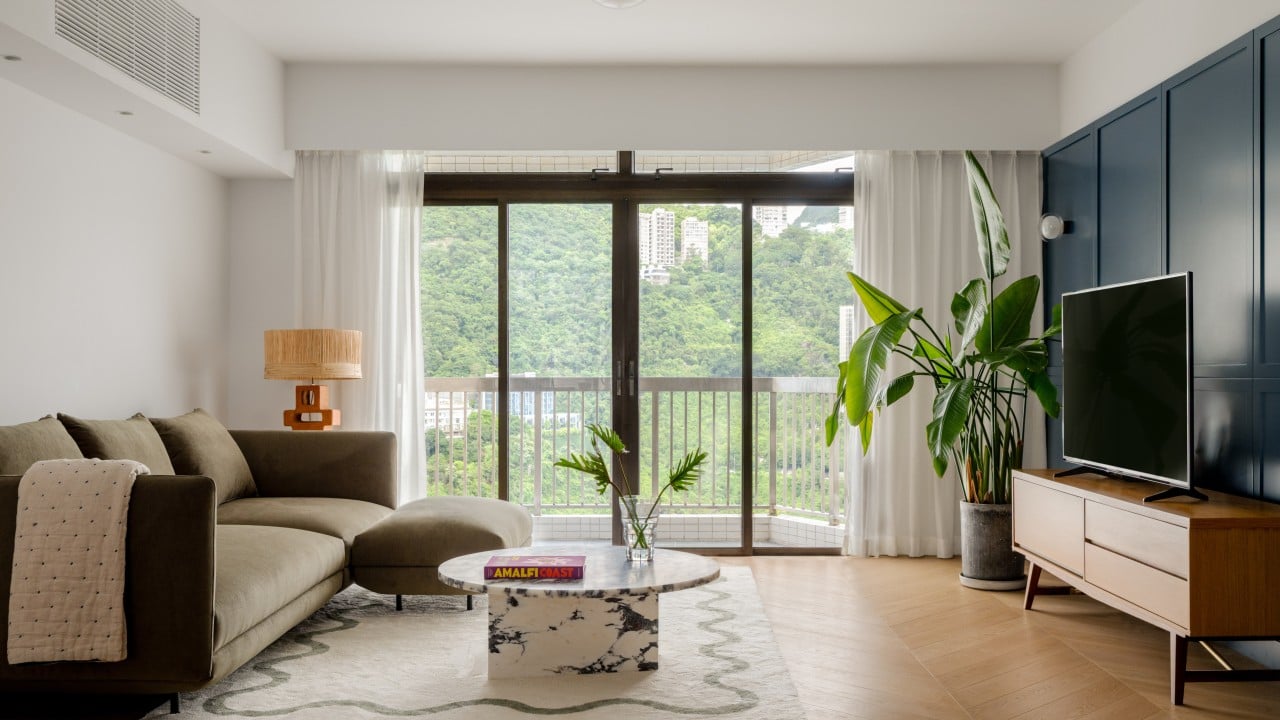
The report from SCMP Lifestyle in September 2026 detailing William Li and Sara Browne’s acquisition of a 1,500 sq ft flat in Happy Valley, Hong Kong, describes more than a real estate transaction. It traces their deliberate effort to create a permanent home amid demanding careers and a growing family, drawn to the property's structure, its location, and its proximity to Li’s mother. Their choice to build a deeply personal, family-centred space, rather than simply occupy a dwelling, reflects a subtle but persistent habit forming across Asia-Pacific urban centres.
For generations, the concept of ‘home’ in many parts of Asia has been tied to family lineage and geographical rootedness. Yet the pressures of urbanisation, professional mobility, and shifting social structures have increasingly challenged this ideal. Li and Browne, both working in finance and raising a toddler with a second child on the way, suggest a deliberate pause in this rapid current. Their desire to craft a ‘permanent home’ is a quiet assertion against the temporariness often associated with high-density urban living. Architect Darius Woo’s transformation of the flat into a space with ‘thoughtfully designed focal points’ reinforces this intent, suggesting a design philosophy that prioritises lived experience over fleeting trends.
While the financial resources required for a 1,500 sq ft flat in Happy Valley are not universally accessible, the underlying aspiration for stability and rootedness is widely observed. In cities from Bangkok to Singapore, there is a discernible renewed emphasis on the home as a sanctuary, a place where personal history is made and preserved. This goes beyond ownership; it is an investment in a particular quality of life and an affirmation of familial ties within a challenging urban environment. The proximity to Li’s mother is not a minor detail but a significant cultural anchor, reflecting an enduring value placed on intergenerational connections, even as modern life strains against them.
Shaping a private world within the bustling metropolis offers a counterpoint to the relentless pace often depicted as characteristic of the region. It points to a desire to carve out spaces of domestic permanence, not as a rejection of progress, but as an adaptation to ensure cultural continuity. The careful cultivation of a home, even in a dense urban setting, endures. What is quietly being replaced, perhaps, is the assumption that such rootedness is a given, rather than something that requires conscious effort.
Sources
Newsletter
Pacific Daily
A curated briefing from Thailand, Asia-Pacific and the world.