A New Atlas for Thailand’s Cannabis Cultivators
Project Atlas introduces structure to a shrinking market, but the cost of compliance falls on farmers.
SINGAPORE
The rapid contraction of Thailand’s cannabis market, marked by thousands of dispensary closures over the past two years, has shifted the industry towards a medical framework. This new environment demands higher standards, necessitating a complete restructuring of supply chains to prioritize compliance over convenience.
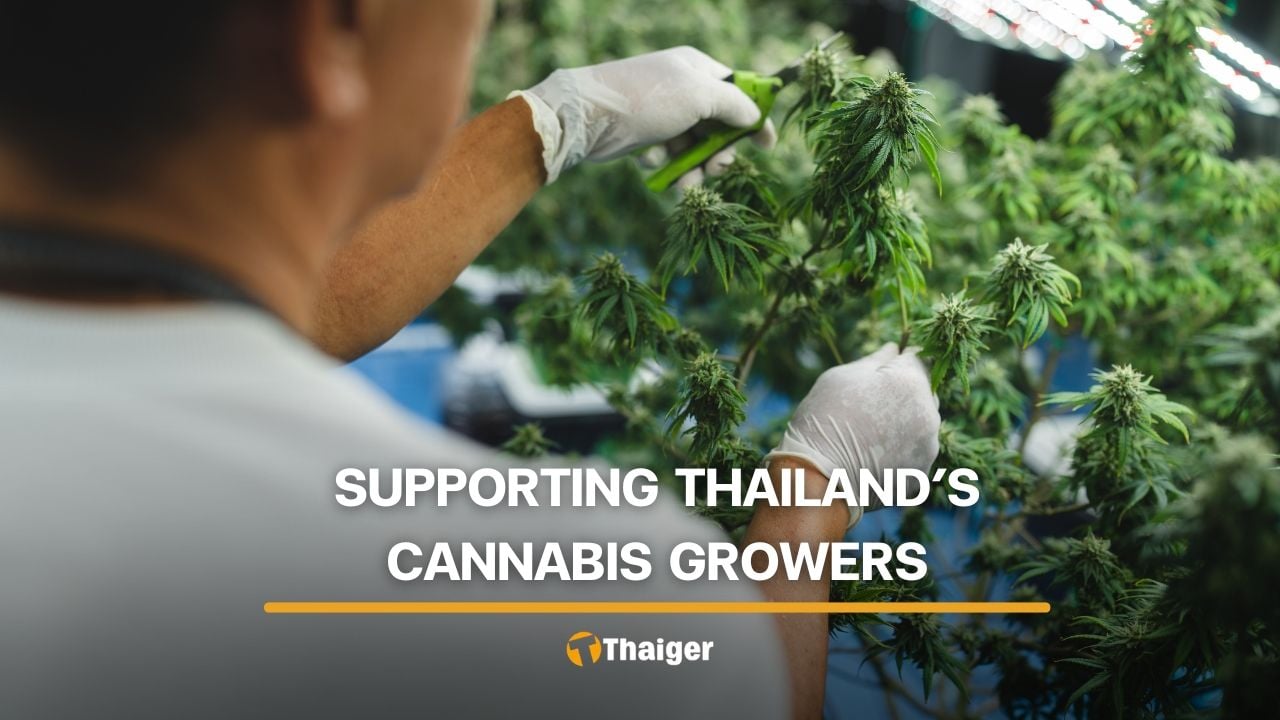
Against this backdrop, the company Four Twenty has announced Project Atlas, a nationwide farm partnership initiative. This program aims to integrate quality-focused local cultivators into a structured commercial relationship. Four Twenty presents itself as both a buyer and a long-term partner for licensed indoor farms seeking growth within this evolving landscape. The initiative includes guaranteed purchase commitments and technical support, aiming to provide a degree of stability in an otherwise volatile sector.
The stated goal of Project Atlas is to bring order to a market that has seen significant upheaval. By establishing guaranteed purchase agreements, the project attempts to offer a predictable income stream for participating farmers. The provision of technical support suggests an effort to standardize cultivation practices, aligning them with the stricter requirements of the medical framework. This approach could, in theory, foster a more professionalized and compliant cannabis agriculture sector.
However, the shift towards compliance and higher standards means increased operational costs for cultivators. The burden of meeting these new demands, often involving investments in new infrastructure, processes, and training, typically falls on the farmers. While Four Twenty offers technical support, the financial implications of these higher standards remain a primary concern for small and medium-sized farms. The market contraction itself indicates that many operators have struggled to adapt or survive under the new conditions.
This initiative by Four Twenty, while offering a potential lifeline for some, centralizes control and places individual farmers into a dependent commercial relationship. The company's position as both buyer and partner, providing technical guidance that may influence cultivation choices, means that farmers trade autonomy for stability. This arrangement structures the market around the needs of larger, established brands, potentially leaving those unable or unwilling to join such partnerships at a disadvantage. The long-term implications for the diversity and independence of Thailand’s cannabis farming community bear watching.
Sources
Newsletter
Pacific Daily
A curated briefing from Thailand, Asia-Pacific and the world.