A 'castrated' classic and the changing shape of Singaporean memory
A new theatre collective's interpretation of a revered play suggests a shift in cultural engagement, away from reverence and towards reinvention.
SINGAPORE
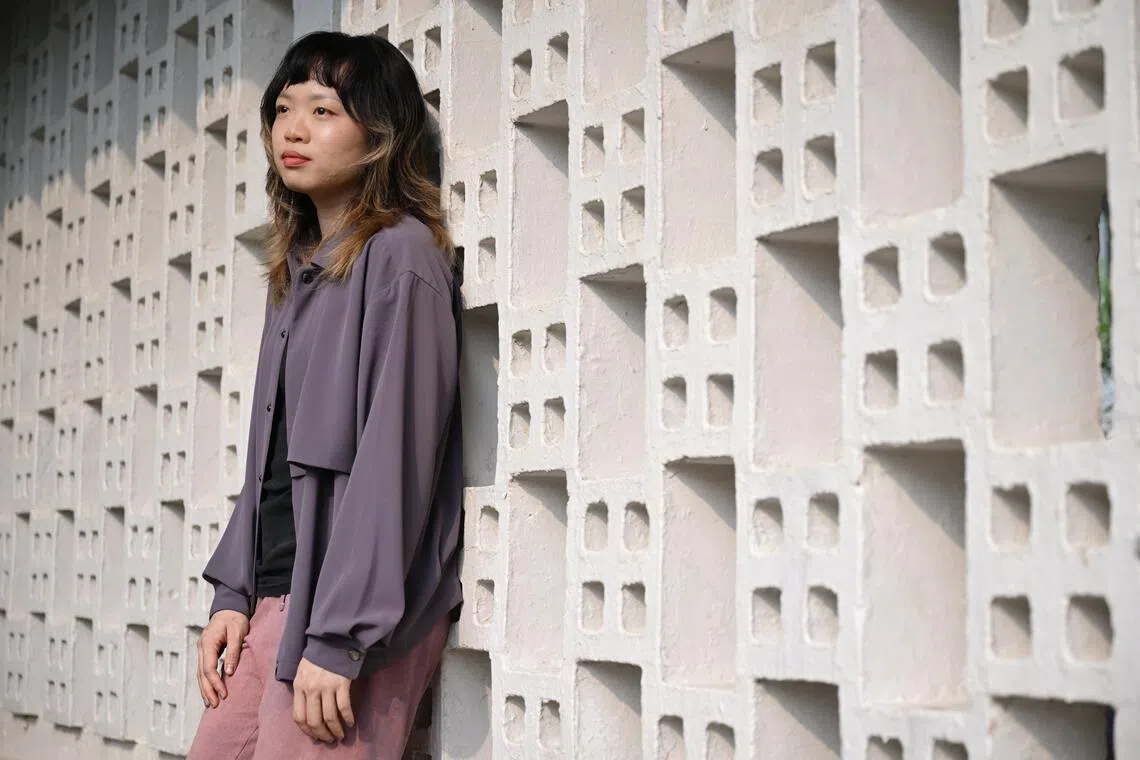
On Waterloo Street, where a Black Box theatre will host a new interpretation of Kuo Pao Kun’s *Descendants Of The Eunuch Admiral*, a cultural excavation is underway. A new collective, zone 境, led by Ang Kia Yee, is not merely staging a classic; they are reshaping it. This reinvention involves cutting half the original text and introducing new elements through dance, acting, and electronic music, according to reports from The Straits Times Life on September 23, 2026.
The original work, a significant piece in Singaporean theatre, becomes less a fixed monument and more a malleable form in Ang’s hands. It is an act that prompts a question: What happens when the custodians of cultural memory, particularly new ones, choose not to preserve intact but to actively dismantle and reassemble? Ang Kia Yee expressed a desire to see more platforms for experimental, unfinished works within Singapore's professionalized theatre scene. This statement clarifies the intent behind the approach, positioning the ‘castration’ — the source’s chosen term — as a strategic move toward innovation rather than disregard.
Traditionally, a classic carries a certain weight, a prescribed reverence. Its retelling often seeks to illuminate existing themes for a new generation or to highlight its timeless relevance. But Ang’s approach is a distinct departure. By cutting and adding, the collective suggests that the relevance of a work is not solely inherent in its original form, but can be actively constructed through contemporary engagement. It is a visible symptom of a broader shift in how cultural narratives are consumed and produced, particularly among younger artists who may view heritage less as a static inheritance and more as a dynamic resource for contemporary expression.
This reinterpretation, however, is not without potential tension. There is an implicit risk that such a radical edit might be perceived as a diminution of the original’s integrity or its creator's intent. For those who hold Kuo Pao Kun’s original as sacrosanct, Ang’s intervention could be seen as an act of cultural irreverence. The play's title itself – *Descendants Of The Eunuch Admiral* – evokes themes of lineage and historical legacy, themes often considered immutable. To alter its narrative framework so substantially might challenge the expectations of an audience accustomed to fidelity in classic revivals. Yet, for an art form to remain vital, it must find ways to speak to its present, even if that means speaking differently. The choice of the Black Box at 42 Waterloo Street for this performance, a venue often associated with experimental and intimate theatre, underscores the exploratory nature of this endeavor.
Ang's collective isn't just performing a play; they are performing a statement about how culture evolves. Their action suggests that, for some, the habit of veneration is giving way to the habit of re-creation. The outcome on Waterloo Street will not simply be a theatrical production; it will be a tangible marker of this changing cultural landscape.
Sources
Newsletter
Pacific Daily
A curated briefing from Thailand, Asia-Pacific and the world.