When Physical Spaces Betray Independent Dining
The sudden closure of Sora Craft Kitchen in Los Angeles shows how physical premises undo culinary acclaim across the Pacific rim
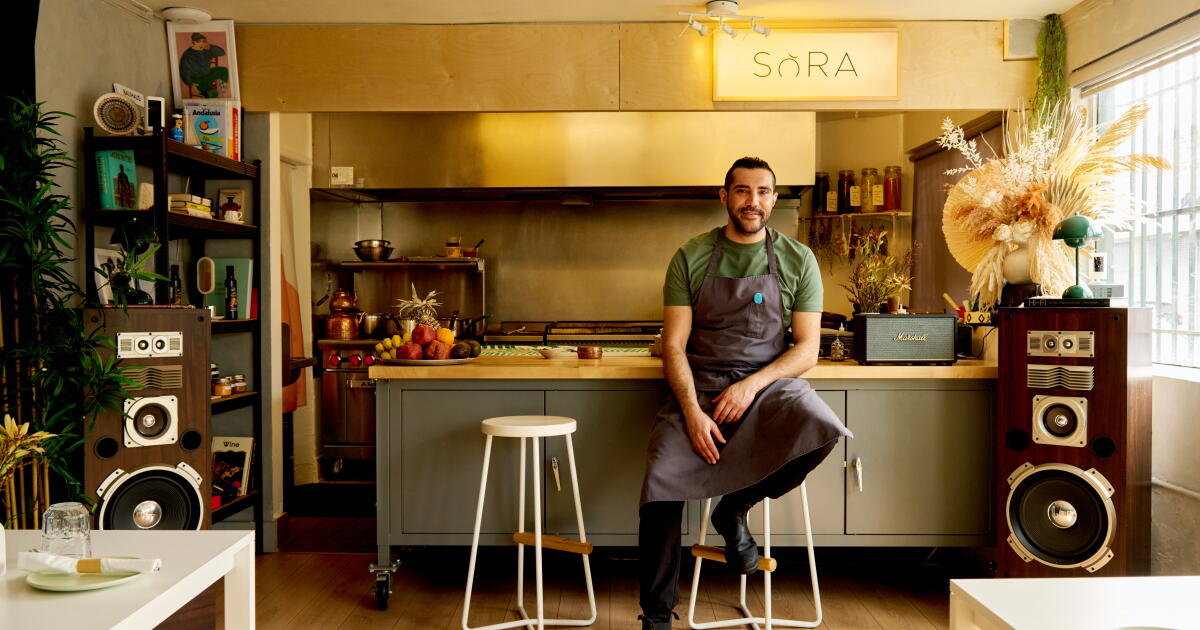
Dining rooms that command critical attention rarely fail on the plate before they fail in their physical foundations. At Sora Craft Kitchen, a dining establishment in Los Angeles overseen by chef-owner Okay Inak, public recognition arrived swiftly alongside serious acclaim. Tables filled with patrons drawn to Turkish cuisine, yet the structural reality beneath the dining room was quietly dictating a different timeline. On Oct. 25, 2026, the doors will shut, proving once again that critical praise offers little protection against the physical frailties of leased urban space.
Culinary reputations often travel effortlessly across the Pacific rim, carried by digital acclaim and enthusiastic diners seeking regional cooking. Urban dining cultures celebrate the kitchen's craft while overlooking the mundane mechanics of real estate agreements and aging urban pipes. When a dining room earns widespread notice, diners assume a stable foundation beneath the dining counter. Yet the physical structure remains independent of culinary achievement.
The Leased Envelope
Independent operators face a structural vulnerability that no review can offset. Chef-owner Okay Inak encountered this dilemma directly when taking on the lease for his kitchen.
"After I rent, I saw so many issues in the building,"
This gap between culinary ambition and urban infrastructure defines independent dining across metropolitan borders. A chef enters a leased space to produce demanding food, only to discover that the building itself resists daily operation. Inak hopes to reopen Sora Craft Kitchen in a new location, but relocating an entire kitchen requires capital, patience, and another search for adequate urban square footage. Acclaim creates foot traffic, yet foot traffic cannot resolve underlying maintenance failures or renegotiate structural conditions.
The tension deepens when examining how food culture values craft over physical resilience. Diners celebrate personal expression, regional heritage, and precise technique. At the same time, commercial property markets treat kitchens merely as rent-paying square footage subject to standard commercial arrangements. If the roof or the plumbing fails, the artistic vision falters. High-profile praise can actually obscure these vulnerabilities, creating an illusion of financial and physical stability that masks everyday operational precarity.
The Cost of Relocation
Relocating an acclaimed restaurant is neither seamless nor guaranteed. It requires negotiating new commercial leases, refitting specialized equipment, and persuading an established following to travel to unfamiliar coordinates. Even celebrated kitchens lose momentum during extended disruptions. For every operator seeking a second address, months of closure mean vanished operating cash flow and dispersed kitchen personnel.
Cities that prize diverse food cultures must reckon with how fragile these operations remain when anchored to problematic structures. Without resilient, functional physical premises, independent hospitality becomes an unstable enterprise, regardless of how enthusiastically diners respond. Critical recognition provides prestige, but prestige alone cannot mend broken infrastructure. When the physical framework fails, the most celebrated dining room closes as quietly as the most neglected.
Sources
Newsletter
Pacific Daily
A curated briefing from Thailand, Asia-Pacific and the world.