Trading House Capital Moves Downstream as Mitsui Pursues Penske Automotive
A $1.5 billion buyout bid signals how Japanese general trading conglomerates are trading maritime supply corridors for direct control over foreign automotive forecourts
SINGAPORE
Japanese trading houses built corporate balance sheets by securing upstream natural resource flows, yet their final commercial returns have always rested on car dealerships thousands of miles from Tokyo. For generations, general merchants financed raw commodity extractions and oceanic supply routes to feed domestic industrial assembly lines. That classic pattern is now bending toward the consumer edge.
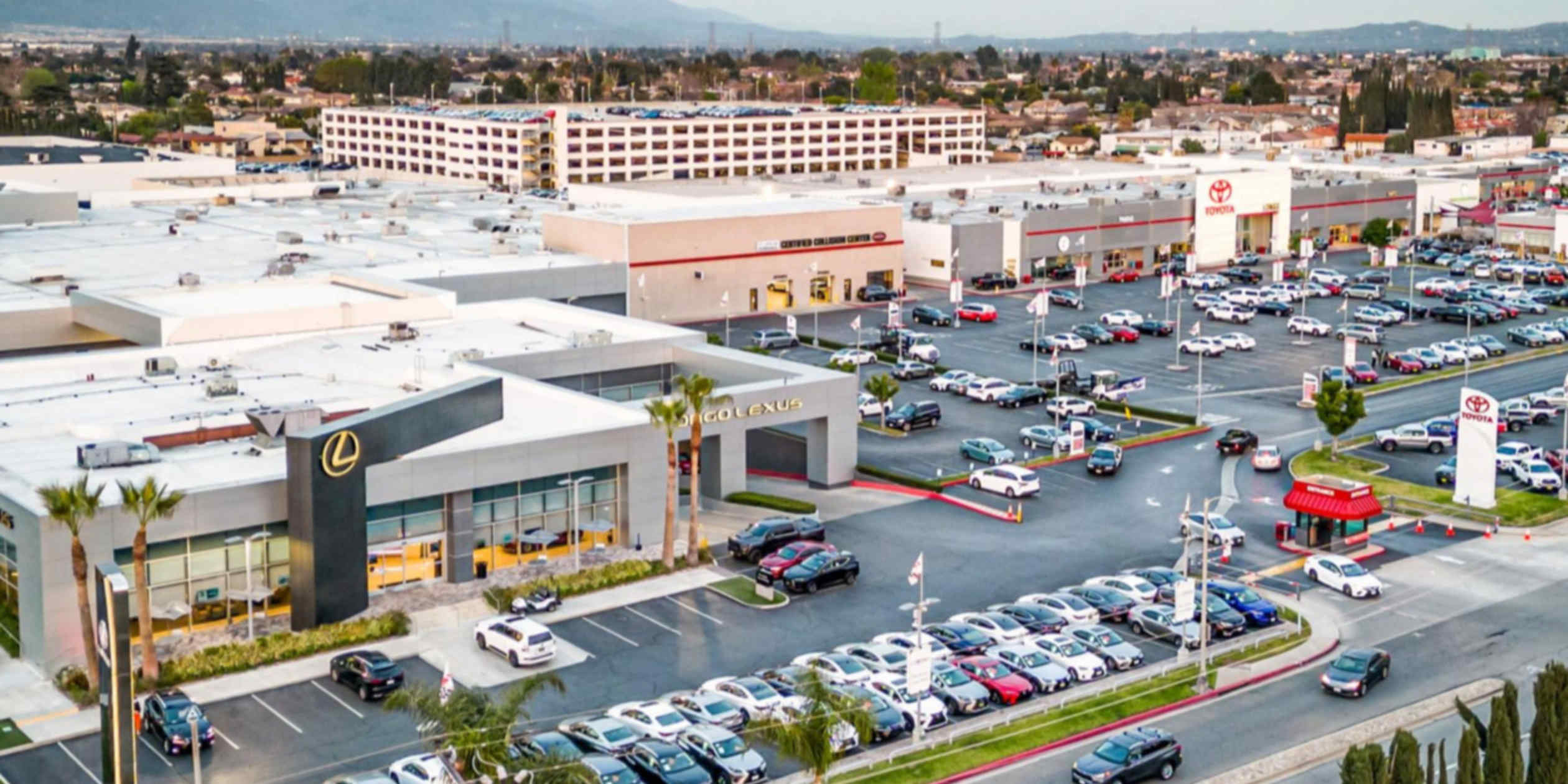
According to reporting by Nikkei Asia, Japan's Mitsui is preparing to spend $1.5bn on a bid to take Penske Automotive private. The financial commitment marks an operational departure. Rather than brokering vehicle shipments across maritime borders, the Japanese conglomerate is seeking outright equity control of foreign retail showrooms, servicing bays, and consumer distribution pipelines.
Reallocating Capital Beyond Shipping Corridors
The strategic tilt reflects tangible balance sheet pressures. Upstream logistical channels remain structurally vulnerable to regional transport friction and price volatility. When international transport lines face turbulence, merchant firms that rely solely on intermediation margins absorb immediate blows. Establishing a direct foothold in automotive retail alters that exposure. Dealerships generate steady servicing revenues, local maintenance billing, and direct financing cash flows. Trade finance cannot provide that certainty.
Domestic institutional capital has steadily endorsed this pivot toward operational assets abroad. Japanese banking institutions such as SMBC have systematically re-examined conventional corporate lending frameworks in pursuit of higher international yields. Viewed through this broader reallocation, the buyout proposal by Japan's Mitsui represents an operational realignment. The firm is redeploying domestic liquidity into overseas operational networks that deliver regular customer contact.
Controlling overseas distribution points provides recurring servicing revenue that wholesale export intermediation cannot secure.
Skeptics point out that retail automotive dealerships carry formidable structural burdens. Forecourts are capital-intensive properties tied directly to local payrolls, inventory financing liabilities, and regional borrowing conditions. Allocating $1.5bn to privatise Penske Automotive concentrates substantial equity into physical forecourts at a delicate stage of the interest rate cycle. If automotive consumer spending slows, foreign dealerships turn into expensive fixed overhead.
The Costs of Downstream Leverage
There is, however, a clear structural logic supporting the transaction. Going private removes Penske Automotive from the scrutiny of quarterly equity bourses. Private ownership gives management leeway to restructure automotive servicing contracts, adjust fleet management units, and retool regional distribution networks without answering to public equity analysts. For Japanese corporate planners, downstream ownership operates as defensive infrastructure designed to preserve overseas market conduits.
Manufacturing hubs across East Asia depend on resilient retail distribution abroad. Without functioning dealership networks at the destination, production schedules across Japanese industrial corridors inevitably stall. When a trading conglomerate acquires the retail interface itself, it links domestic industrial capacity directly to final point-of-sale operations.
Yet operating distant foreign dealerships presents risks that trading houses rarely faced when simply shipping containers between ports. Mitsui must manage regional workforce costs and retail demand cycles across foreign regulatory environments. The transaction secures direct market access, but it binds Japanese capital to the day-to-day operational frictions of overseas retail showrooms.
Sources
Newsletter
Pacific Daily
A curated briefing from Thailand, Asia-Pacific and the world.