The Tactical Truce Between Washington and Beijing Offers Asia No Real Shelter
Surface calm ahead of the Xi-Trump encounter at APEC disguises unresolved structural friction across regional trade and supply lines
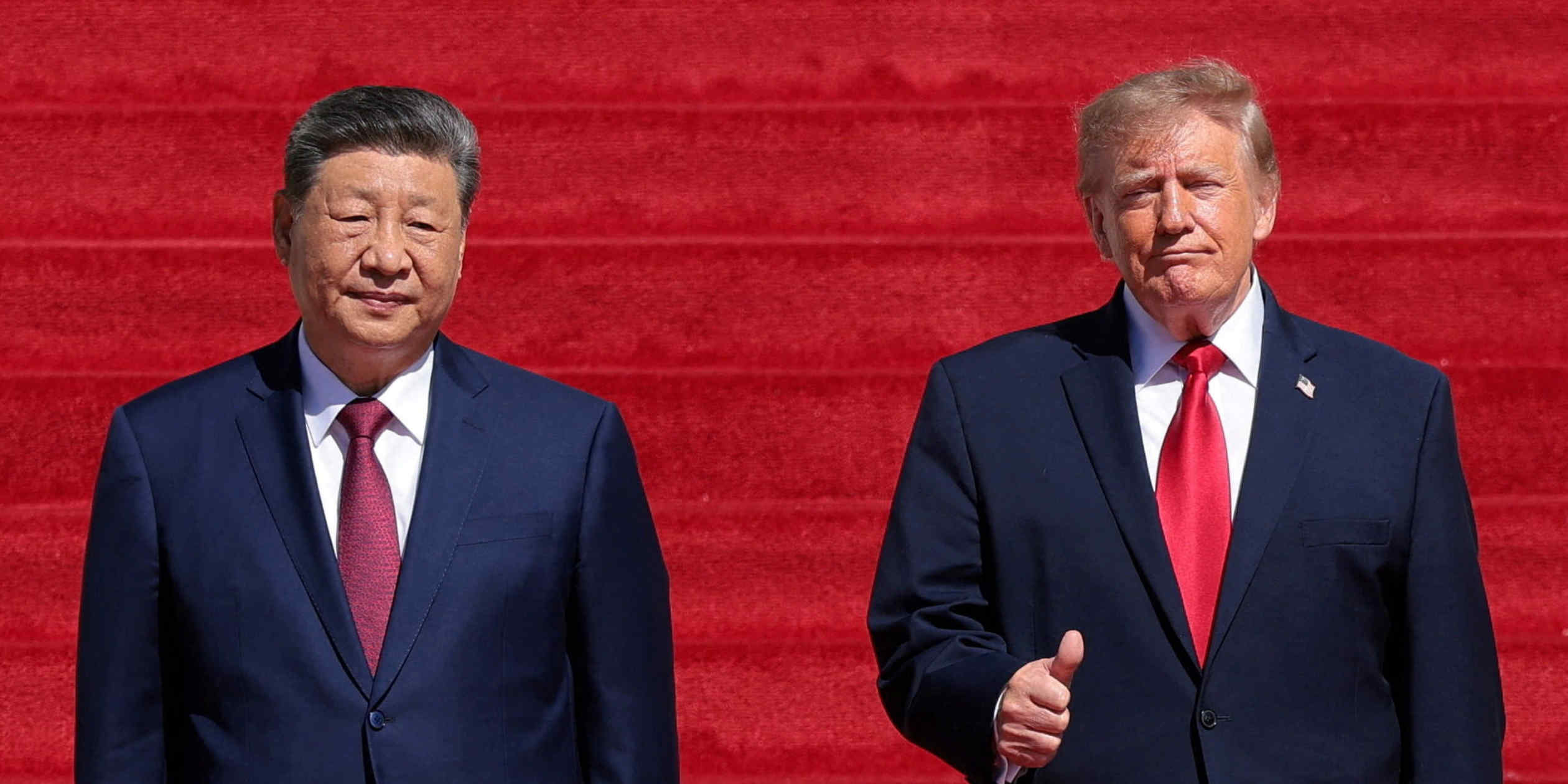
SINGAPORE
Bilateral trade truces between the United States and China tend to alter the timing of commercial pressure rather than eliminate its structural causes. Ahead of a high-profile Xi-Trump encounter arranged around APEC, the visible stabilization of diplomatic contact serves immediate political calendars in both capitals. Washington seeks predictable trade conditions while domestic policy agendas take shape. Beijing prioritizes external stability and market access while managing domestic industrial adjustments. Yet this interim calm resembles an operational pause rather than a negotiated settlement, deferring unresolved disputes over industrial subsidies, technology controls, and supply chain alignment.
Historically, temporary bilateral agreements between major trading powers have offered peripheral markets an illusion of security that delays necessary domestic policy adjustments. What appears as diplomatic progress at the summit level functions differently across distinct commercial zones in the Asia-Pacific, distributing risks unevenly rather than removing them.
Divided Pressures Across Regional Corridors
For Southeast Asian manufacturing corridors, including production networks in Thailand and Indonesia, the pause presents an immediate operational dilemma. Over several trade cycles, these economies absorbed relocated manufacturing operations from multinational corporations seeking insulation from direct bilateral tariffs. Because intermediate inputs still flow heavily from Chinese component suppliers while final products depend on American consumption, third-party assembly hubs remain structurally entangled in the very supply chain frictions they were chosen to circumvent.
In East Asian industrial economies, the challenge shifts from volume manufacturing to regulatory exposure. Advanced suppliers operating across regional networks navigate expanding Western export curbs alongside deeply integrated commercial relationships in China. Compliance mandates imposed by one capital frequently generate legal, logistical, and diplomatic complications in the other, leaving mid-tier technology exporters without a neutral commercial standard.
For broader regional trade groupings convened under frameworks like APEC, the tactical pause exposes the limits of non-binding consensus. Multilateral forums excel at lowering procedural barriers during periods of expansion, but they provide limited institutional defenses when major powers opt for unilateral executive tariffs or selective market restrictions.
The Fragility of Managed Ambiguity
Regional hedging strategies have traditionally relied on expanding economic linkages in both directions while maintaining strict political neutrality. That posture proves viable only while both powers tolerate ambiguous supply chains and flexible origin rules. Should post-summit developments yield renewed tariff escalations or tighter component tracking, governments across the region risk facing sharper demands to align customs standards, export restrictions, and port infrastructure with competing bilateral priorities.
The strategic tension entering the APEC meetings does not stem from whether leaders can achieve cordial optics or managed dialogue. Both leadership teams understand the procedural utility of direct communication. The unresolved friction rests in the economic architecture beneath the diplomacy, where neither government has presented structural concessions on key industrial policies, leaving regional trade corridors anchored to a stability that remains largely transactional.
Sources
Newsletter
Pacific Daily
A curated briefing from Thailand, Asia-Pacific and the world.