The Pentagon's Procedural Shield Offers Little Solace Across the Pacific
A party-line reprieve for Pete Hegseth preserves executive continuity in Washington while leaving regional security partners calculating the durability of American command.
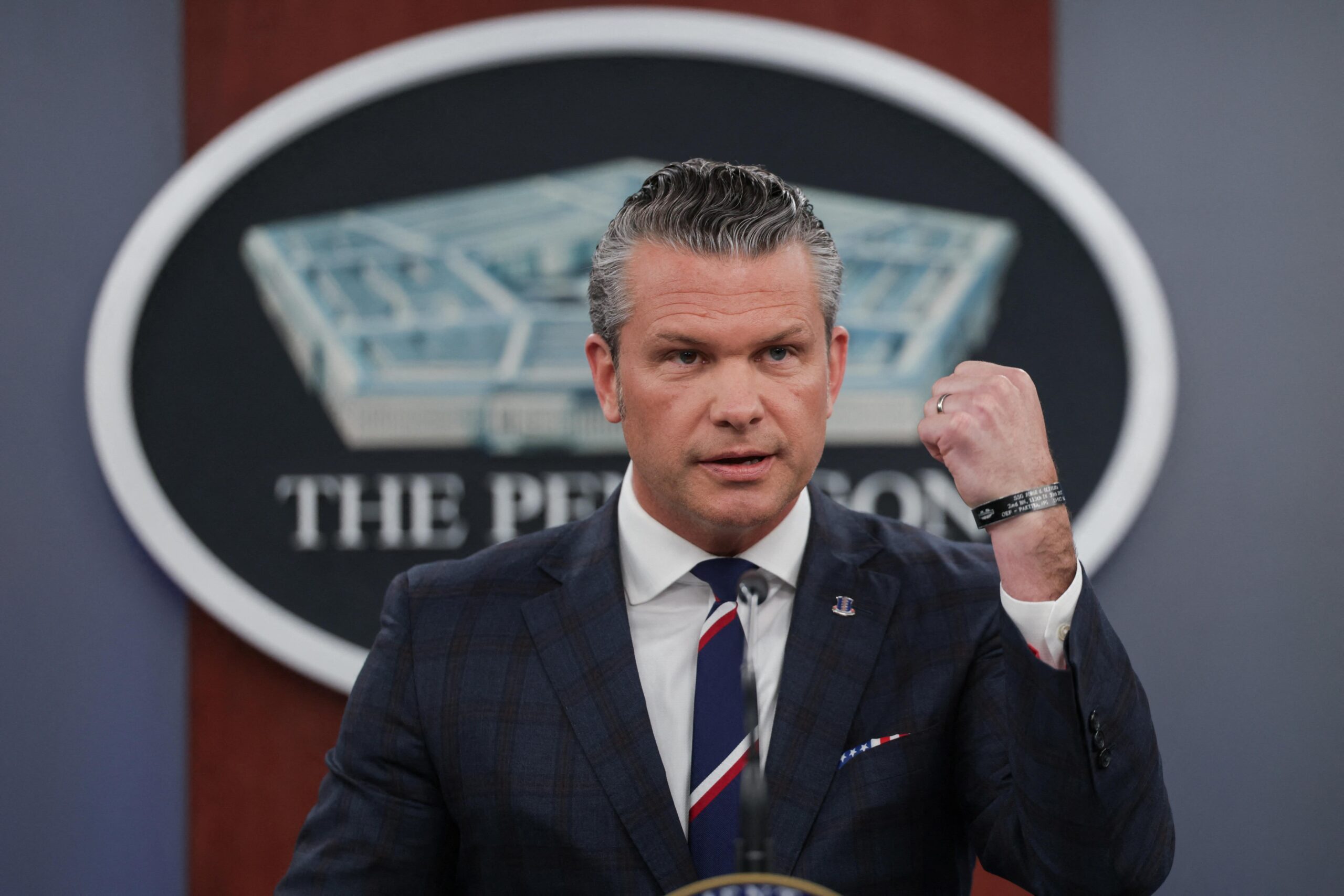
SINGAPORE
Legislative survival in Washington rarely equates to institutional stability abroad. When the Republican-led United States House of Representatives moved on Tuesday to stifle an impeachment drive against Defense Secretary Pete Hegseth, the procedural maneuver accomplished its immediate domestic purpose. It shielded a combative Pentagon chief, drew explicit praise from President Donald Trump, and deferred an existential partisan reckoning until Democrats assume control of Congress next year. Yet for defense ministries across the Asia-Pacific watching the mechanics of American command, the reprieve underscores an uncomfortable reality: continuity at the top of the United States military apparatus now hangs on narrow congressional mechanics rather than broad strategic consensus.
At the Pentagon, Hegseth dismissed the drive to unseat him as a farce, defending his stewardship hours before lawmakers voted to refer eight articles of impeachment away from the chamber floor. His public stance conveyed personal defiance and absolute alignment with the White House. But allied capitals from Tokyo to Bangkok do not evaluate a defense secretary through the lens of domestic political performance. They evaluate the office through predictability, administrative coherence, and the assurance that strategic commitments will survive an election cycle. When the civilian leadership of the United States military becomes a primary theater of legislative attrition, every initiative bearing the secretary's signature acquires an implicit expiration date.
The Cost of Deferred Authority
Security arrangements throughout maritime Asia depend heavily on sustained ministerial relationships and quiet bureaucratic routine. Joint military exercises, bilateral technology exchanges, and regional defense dialogues require foreign counterparts to assume that agreements negotiated today will be executed tomorrow. The House vote on November 10 demonstrated that the current administration possesses enough discipline to block immediate removal. What it could not demonstrate was structural durability.
There is, to be sure, a counterargument that overseas observers routinely overstate Washington's internal turbulence. The permanent bureaucracy of the Pentagon, along with treaty obligations and bilateral defense treaties spanning the Pacific, maintains significant momentum independent of political battles on Capitol Hill. A secretary fortified by presidential backing can project power abroad regardless of legislative motions. Even when congressional leadership shifts hands, the formal architecture of deterrence does not vanish overnight simply because committee chairs change.
That institutional resilience, however, encounters real friction when strategic crises demand undivided civilian attention. Whether navigating heightened tensions regarding Iran or managing troop distributions and deterrence across the Indo-Pacific, a defense establishment preoccupied with congressional survival inevitably operates under operational drag. Foreign security partners are rational actors; they recognize when an interlocutor is fighting a rear-guard action against an incoming legislative majority.
The House vote secured Hegseth additional months in office, but it confirmed that defense policy remains hostage to domestic political schedules. By utilizing procedural deferral rather than settling substantive disputes over military stewardship, Washington has simply rescheduled its institutional confrontation. For an Asia-Pacific region weighing the absolute credibility of American guarantees against competing regional pressures, watching a Pentagon chief lean on party-line procedural votes is a sobering reminder of how volatile American defense governance has become.
Sources
Newsletter
Pacific Daily
A curated briefing from Thailand, Asia-Pacific and the world.