The Mirage of Advance Turnout Across Metro Vancouver
Record early ballots in Richmond and Langley Township reveal operational reallocation rather than an expanding democratic baseline
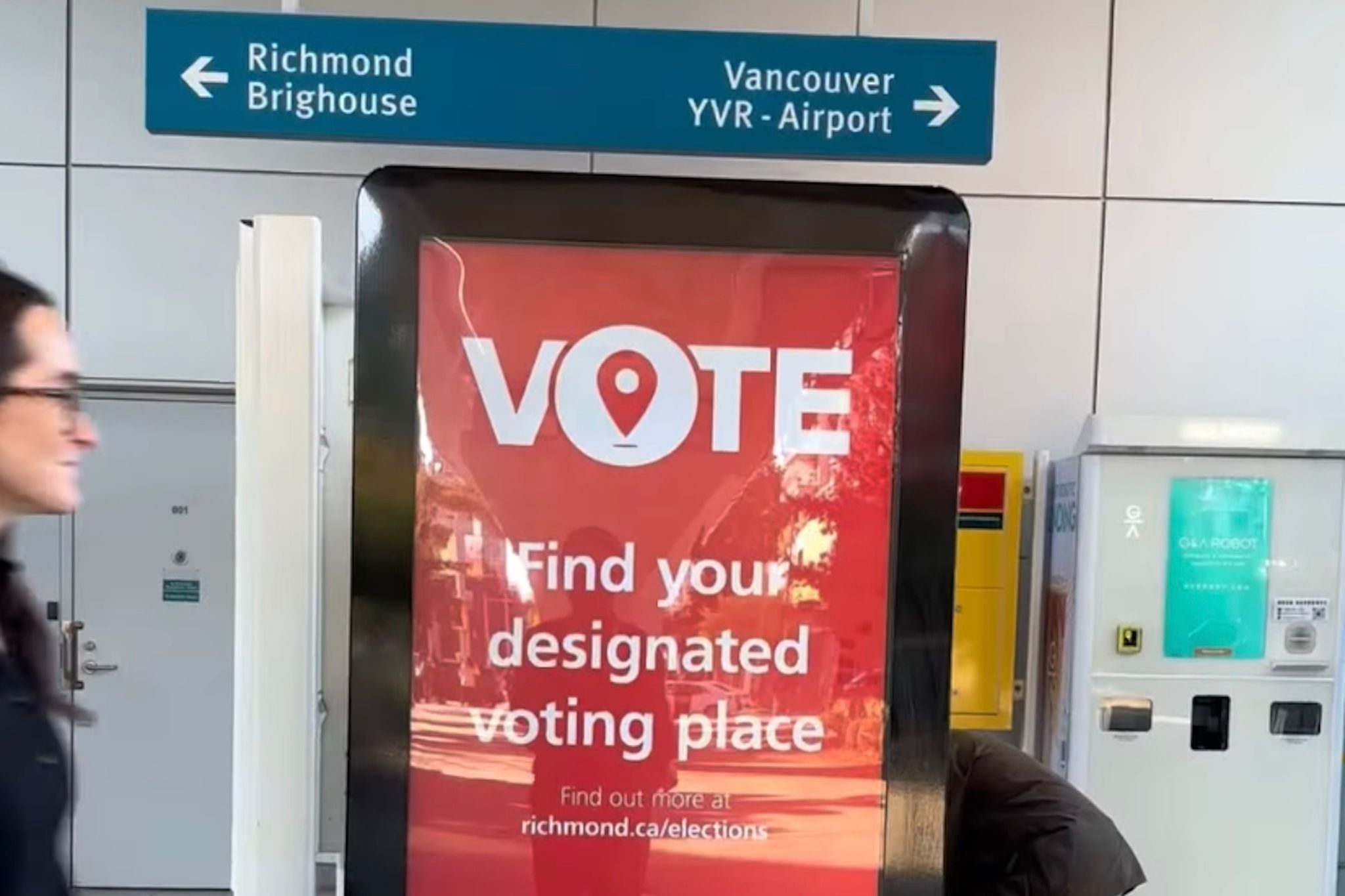
Turnout numbers record the passage of physical ballots, but they do not measure the depth of democratic mandates. When municipal administrators across Metro Vancouver announced record advance voting figures ahead of Saturday, Oct. 17, 2026, institutional messaging framed the tallies as evidence of heightened civic appetite. A disciplined assessment of the underlying electoral data reveals a very different operational dynamic.
Advance polling stations across Metro Vancouver processed ballots earlier this month for municipal councils, School Board trustees, and mayoral offices. Four municipalities in the region released advance statistics before Saturday voting commenced at 8 a.m. The City of Richmond logged a record 17,464 advance votes. Meanwhile, the City of Vancouver recorded nearly 104,000 ballots cast prior to general voting day. In Langley Township, election administrators similarly documented record-setting participation ahead of the regular poll closures scheduled for 8 p.m.
Public commentary routinely equates early voting volume with genuine civic revitalization. Yet convenience voting mechanisms frequently shift existing, dedicated voters into earlier operational windows rather than drawing unengaged residents to the polls. Record early turnout documents administrative redistribution across the calendar rather than an expanding public mandate.
Shifting Schedules Versus Expanding Mandates
The arithmetic of urban voting requires drawing a clear line between procedural convenience and systemic democratic expansion. When 17,464 voters in Richmond cast their ballots early, administrative systems handled transaction volume with notable efficiency. Long-standing local governance under figures like Malcom Brodie has historically operated in an environment where final municipal turnout remains modest. Reallocating traditional voters into early voting stations alters logistics, but it does not expand the final democratic baseline.
Consider the broader metropolitan pattern. The Township of Langley documented comparable surges, echoing trends across Metro Vancouver where advance access expanded earlier this month. What these operational metrics confirm is throughput management. Advance voting infrastructure spreads processing volume across multiple calendar dates, diminishing queue friction on election day itself. However, confusing operational friction reduction with genuine political mobilization awards an unearned mandate to local institutions.
Shifting voters into advance booths measures administrative convenience rather than broader community consensus.
Urban governance across the Pacific Rim confronts an identical analytical error. Public institutions routinely mistake operational modernization for expanded political legitimacy. In commercial consumer markets, early pre-orders reflect brand loyalty from established buyers rather than newly captured demand. Advance voting booths function like pre-booked service windows: they cater to an organized demographic that already intends to vote regardless of procedural friction.
The Unresolved Deficit
Skeptics of this view maintain that lowering procedural friction democratizes local governance. By providing multiple advance voting opportunities, municipal administrators permit wage earners, commuters, and busy households to cast ballots without sacrificing time or wages on general voting day. Under this interpretation, the nearly 104,000 early participants in Vancouver represent structural access gains that will broaden overall municipal representation.
That hypothesis breaks down when tested against demographic reality. Reducing administrative inconvenience fails to resolve civic disengagement rooted in unaffordable housing, institutional opacity, or policy alienation. When municipal administrative power remains insulated from popular pressure, process adjustments produce cosmetic volume surges that leave underlying turnout deficits entirely untouched.
Final results appearing online after polls close at 8 p.m. will settle the raw mathematical outcome for mayors, council members, and School Board trustees across Metro Vancouver. What the data cannot confirm is the institutional assertion that early voting lines signify deeper democratic health. The primary constraint on municipal democracy is not station hours, but the absence of compelling civic choices that motivate non-voters to participate.
Sources
Newsletter
Pacific Daily
A curated briefing from Thailand, Asia-Pacific and the world.