The Friction Behind Manila's Rail Concession
Retaining fare control while courting private capital sets up an unresolved fiscal equation for Metro Rail Transit Line 3.
MANILA
Sovereign tariff suppression shields urban households from volatility, but private infrastructure capital demands unimpeded cost recovery. Both principles are defensible; rarely do they balance. In Manila, the national government is preparing to tender a 103.6-billion public-private partnership project for Metro Rail Transit Line 3, scheduling privatization by mid-2027. Following an order from President Ferdinand Marcos Jr. to prioritize line modernization, the Department of Transportation intends to auction the network to commercial consortia while unilaterally retaining statutory control over passenger fares.
Transportation Secretary Giovanni Banoy Lopez framed the transaction as an operational infusion designed to insulate daily commuters from market price shocks.
Through public-private partnership, we bring in the expertise and investment this line needs. Ang kailangan natin dito ‘yung may matagal nang experience sa pagpapatakbo ng riles para sa kapakinabangan ng mga komyuter. At lilinawin ko po, mananatili pa rin sa DOTr ang pagtatakda ng pamasahe,
Lopez maintained that private concessionaires will deliver technical proficiency without gaining tariff-setting authority.
The Commercial Divide
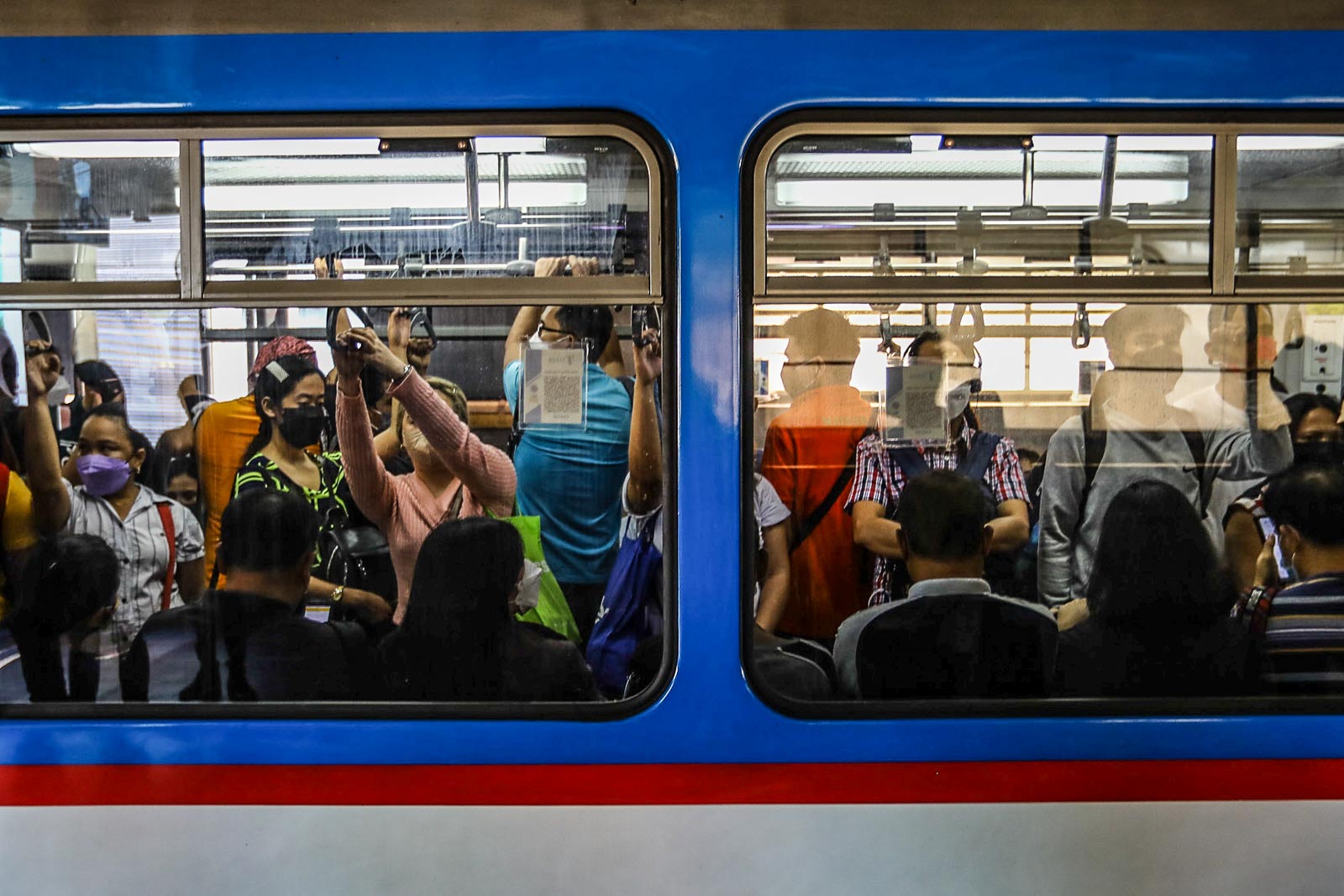
Fixed fares create immediate commercial friction against heavy balance sheets. When the state holds ticket rates static, concessionaires must absorb escalating operational overhead or negotiate treasury subsidies to cover the resulting gap. The crowds packing Araneta Cubao Station on March 28, 2022, eager to access state-funded free rides, exposed how acutely price sensitive Manila commuters remain. Commercial operators answer to creditor mandates. Every modernization expenditure along the track must eventually be serviced through cash margins or sovereign disbursement.
State planners view public-private partnerships as an expedient method to upgrade rolling stock without expanding departmental deficits. Proponents argue that experienced private operators eliminate systemic maintenance backlogs and optimize train dispatching far more effectively than bureaucratic ministries. Operational waste within public transport agencies is well documented. Efficiencies generated through disciplined private oversight could theoretically preserve operating margins without triggering politically disruptive fare hikes.
Sovereign Liabilities
Regional transit history demonstrates that tariff insulation does not dissolve financial liabilities. It shifts them. If ticket receipts fail to service commitments under the 103.6-billion project, treasury transfers inevitably underwrite the shortfall. Suppressing passenger fares maintains political peace across dense urban corridors, but it starves concessionaires of liquid cash whenever operational inflation accelerates.
Bidding parameters for the mid-2027 transition must resolve this ledger discrepancy before contracts are signed. Private consortia assessing the line will demand explicit financial guarantees before sinking capital into assets whose operational revenues remain capped by administrative decree. Manila insists that ministerial tariff control and market efficiency can sit comfortably within the same corridor, leaving the final allocation of sovereign financial risk unresolved.
Sources
Newsletter
Pacific Daily
A curated briefing from Thailand, Asia-Pacific and the world.