The Electric Pivot That Unseated Japan Across 39 Auto Markets
Chinese automakers have moved past traditional competitors across dozens of jurisdictions, exposing the limits of incremental powertrain strategies.
SINGAPORE
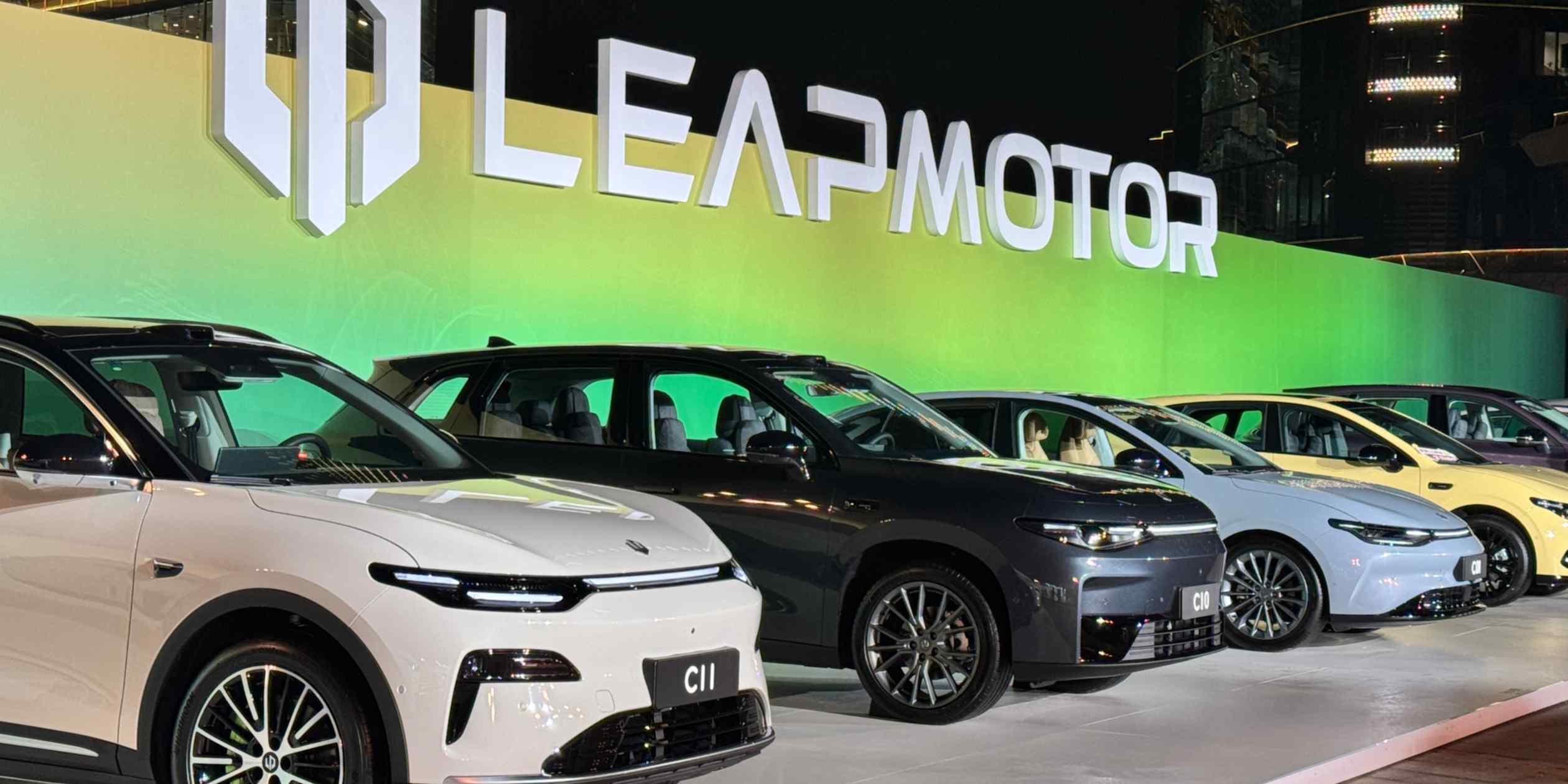
Chinese automakers now lead their Japanese rivals in 39 markets, propelled by demand for electric vehicles, according to reporting by Nikkei Asia. The figure is not merely an export milestone. It marks the point where divergent industrial policies produced measurable commercial displacement across third-party economies.
Japanese manufacturers spent decades dominating international automotive trade through internal combustion engineering, integrated supplier keiretsu, and entrenched distribution networks. That accumulated advantage created an institutional bias toward gradual powertrain transitions. Corporate leadership prioritized hybrid drivetrains and prolonged the amortization of capital-intensive engine tooling. Conversely, industrial policy in China directed credit, procurement mandates, and mineral processing infrastructure straight into battery-electric platforms. Capital went where policy penalised delay.
The Incentive Gap
Automotive production follows policy incentives. When domestic manufacturing scale reduced unit costs across China's battery ecosystem, assembly lines generated volumes that required external demand to absorb them. The resulting vehicle flow entered markets where consumer price sensitivity outweighed historical brand affinity.
By contrast, Japanese producers operated under incentives that discouraged rapid portfolio shifts. Preserving legacy engine tooling and protecting supplier balance sheets made technological caution appear fiscally prudent. Market data indicates that caution came at the expense of territory. Across 39 national markets, buyers opted for battery-electric entries before traditional brands offered comparable localized alternatives.
Structural Constraints
Sales leadership in 39 jurisdictions demonstrates factory output, but it does not resolve long-term distribution vulnerabilities. Exporting built units from coastal ports requires far less institutional commitment than maintaining overseas dealer loyalty, managing warranty liabilities, and training domestic service mechanics. Legacy Japanese competitors still maintain those operational networks intact.
Importing jurisdictions also face mounting domestic incentives to restrict vehicle flows that disrupt local manufacturing employment or widen bilateral trade imbalances. Shipping finished electric cars abroad will therefore hit political limits. Sustaining this commercial lead now depends on whether Chinese automakers can build viable manufacturing plants inside these 39 markets before regulatory barriers close off direct imports.
Sources
Newsletter
Pacific Daily
A curated briefing from Thailand, Asia-Pacific and the world.