Japan Reconsiders the Mathematics of Deterrence
Reassessing naval and strike procurement exposes the structural limits of sustained rearmament across the Western Pacific
SINGAPORE
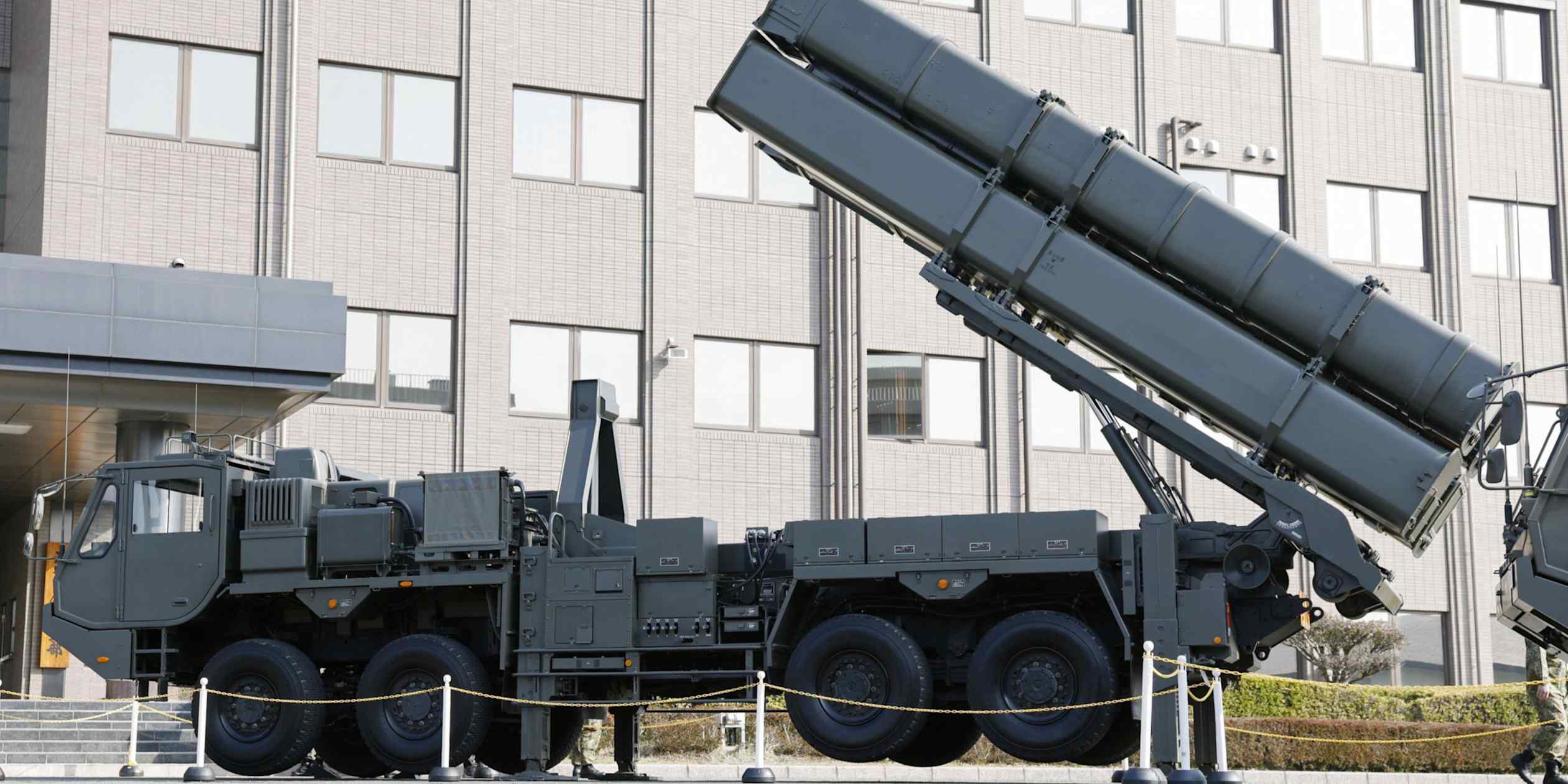
Long-term procurement plans in East Asia operate under the assumption that political resolve dictates military posture, yet industrial capacity and structural balance sheets invariably set the real boundary. Tokyo is weighing whether to scale back purchases of missiles and warships, according to reporting by Nikkei Asia. This deliberation interrupts a multi-year trajectory defined by successive policy pledges to acquire counterstrike capabilities and expand maritime platforms. The contemplation of cuts signals that even the most determined defense expansions face domestic friction when long-term fiscal constraints and defense-industrial delivery realities collide.
Defense planners in Tokyo face an inescapable structural arithmetic. Expanding fleet numbers and acquiring standoff munitions require sustained budgetary allocations that compete directly against social overheads and currency pressures. While security discourse frequently focuses on strategic ambition, the operational maintenance of capital ships and precision ordnance imposes recurring costs that compound year after year. When governments contemplate trimming purchases of primary hulls and strike systems, the reduction rarely reflects an easing of regional friction. It reflects the recognition that overextending inventory commitments creates hollow capabilities if industrial replenishment and crew sustainability cannot keep pace.
Shifting Calculations Across Regional Capitals
For capitals across the Asia-Pacific, Japan recalibrating its major acquisitions forces a reassessment of collective security architectures. Regional planners from Seoul to Southeast Asian maritime states have calibrated their strategic hedging on the expectation of an increasingly capable Japanese naval shield and deep-magazine strike deterrent operating across critical sea lanes. A prospective reduction in Japanese hulls and missile stockpiles changes operational assumptions for bilateral coordination and multilateral patrolling frameworks.
Trimming front-line procurement reflects the cold arithmetic of industrial bandwidth rather than an easing of regional security friction.
Strategic partners might argue that quality easily offsets quantity. Proponents of procurement adjustments typically assert that modern precision networks, unmanned sensors, and distributed systems deliver equivalent deterrence with fewer capital warships. By that logic, slowing legacy hardware purchases permits greater flexibility to fund asymmetric systems and domestic maintenance pipelines. Yet that counterargument assumes technological modernization can substitute for physical mass in contested maritime corridors, where persistent presence remains the bedrock of sea-lane surveillance.
The Unresolved Deficit Between Ambition and Industrial Mass
Beyond bilateral alliances, the deliberation underscores an uncomfortable precedent for middle powers attempting rapid defense recapitalization. Across the Indo-Pacific, governments have announced ambitious rearmament agendas designed to signal deterrence against maritime coercion. If Japan, possessing East Asia's most sophisticated indigenous naval shipbuilding sector, finds missile and warship targets fiscally or industrially unsustainable, smaller economies will confront the same limits far more acutely. Procurement targets announced during moments of political consensus frequently decay when production bottlenecks and competing domestic priorities demand fiscal re-anchoring.
The strategic tension facing Tokyo will not resolve through revised procurement spreadsheets alone. Retaining credible deterrence while scaling back planned missile inventories and naval platforms leaves an operational deficit that diplomacy cannot instantly bridge. Regional stability in the Western Pacific now hinges on whether Tokyo can reconcile its declared defense commitments with the material boundaries of its industrial base.
Sources
Newsletter
Pacific Daily
A curated briefing from Thailand, Asia-Pacific and the world.