The Arithmetic of North Vancouver’s Infrastructure Mandate
Electoral margins cannot resolve the structural conflict between shifting business tax burdens and funding major transit corridors
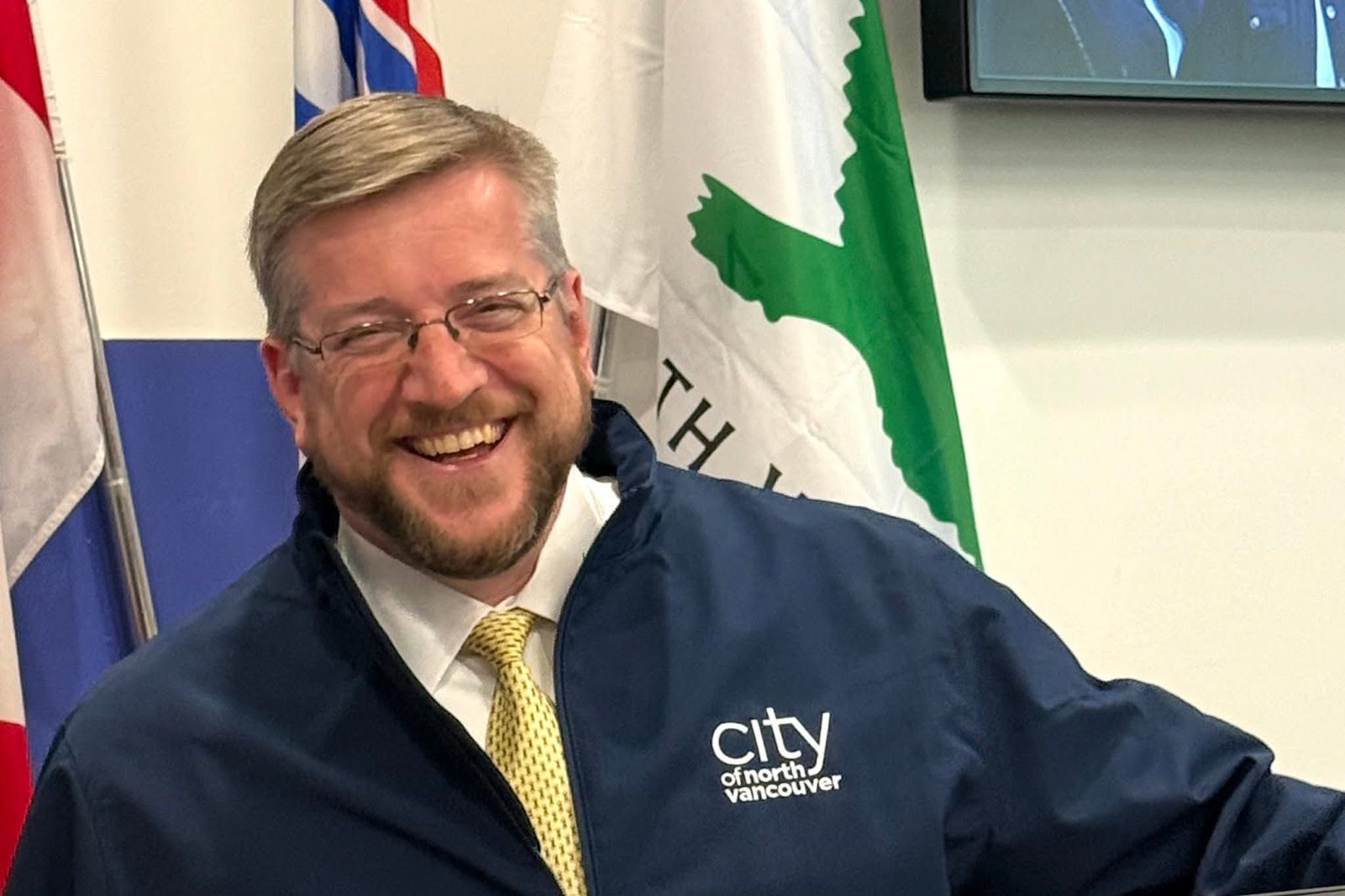
Electoral mandates register public appetite, yet they rarely supply the revenue mechanisms required to satisfy it. In the 2026 civic election, District of North Vancouver voters returned Mike Little to the mayoralty for a third term with 10,431 votes, outpacing Stephan Nieweler at 6,145 votes and Max Zahedi at 1,934 votes. The margin was decisive. Little, who previously served as a District councillor from 2005 to 2014, enters this term with an explicit slate of commitments centered on commuter transit and municipal tax reform.
His platform paired two distinct policy vectors. First, Little pledged to continue advocating for a new Second Narrows bridge crossing alongside bus rapid transit designed to circumvent persistent road congestion. Second, he committed to reducing the municipal tax burden on local commercial enterprises, arguing for a shift in the local property tax incidence away from businesses. These two objectives pull public balance sheets in diametrically opposed directions.
Transportation corridors connecting coastal employment hubs require substantial capital outlay and regional coordination. When municipal administrations promise relief to commercial ratepayers, operating revenue must either contract or transfer onto residential property bases. Little's proposed solution to bridge transit capacity gaps involves pressing major regional employers to provide shuttle services or transit incentives for staff traveling to the North Shore. Transferring transit responsibilities onto corporate payrolls functions as a private surcharge, substituting municipal infrastructure investment with decentralized private operational expenses.
The Commercial Tax Dilemma
Lowering commercial mill rates is a standard instrument for suburban municipalities competing against neighboring industrial and commercial tax jurisdictions. The friction emerges when municipal leadership concurrently pledges large-scale connectivity improvements. A new Second Narrows crossing and dedicated bus rapid transit corridors cannot materialize through municipal tax relief alone. Such infrastructure requires heavy public subsidization, senior government contributions, and municipal capital reserves.
Shifting municipal tax obligations away from commercial enterprises reduces local fiscal capacity precisely when transit capital requirements escalate.
Suburban commuter belts along Pacific coastal corridors confront identical mathematical impasses. When municipal authorities seek to protect local enterprises from rising overheads, their leverage to extract major transit concessions diminishes. Private employers faced with municipal requests to finance worker shuttles frequently treat those transit outlays as an indirect commercial levy. The municipal tax burden is not eliminated; its accounting classification merely migrates from municipal assessments to internal corporate human resources line items.
Infrastructure Constraints and Corporate Shuttles
Stephan Nieweler's 6,145 votes and Max Zahedi's 1,934 votes reflected an electorate divided between alternative infrastructure trajectories and civic priorities. Little's 10,431 ballots grant him an undeniable political mandate, but political mandates do not alter debt capacity limits or regional transport agency priorities. Advocating for a major bridge crossing places the District in prolonged multi-jurisdictional negotiations where local municipal preferences carry limited statutory force.
Counting on private employer incentives to mitigate corridor choke points reveals the limits of suburban transportation planning. Shuttle buses organized by private firms can manage discrete workforce shifts, but they cannot replace regional rapid transit networks. Without a dedicated municipal revenue base to fund right-of-way expansion, bus rapid transit systems risk lingering in prolonged design reviews.
The District of North Vancouver enters this governing cycle with unambiguous voter backing for both lower commercial operating costs and enhanced mobility. Delivering transit efficiency while reducing the revenue contributions of local businesses remains an unresolved municipal equation.
Sources
Newsletter
Pacific Daily
A curated briefing from Thailand, Asia-Pacific and the world.