Thai Ministry Defense on Exam Fraud Signals Deeper Trust Challenge
A senior official's defense of a quick internal probe into recruitment exam fraud highlights tensions between official responses and institutional integrity.
SINGAPORE
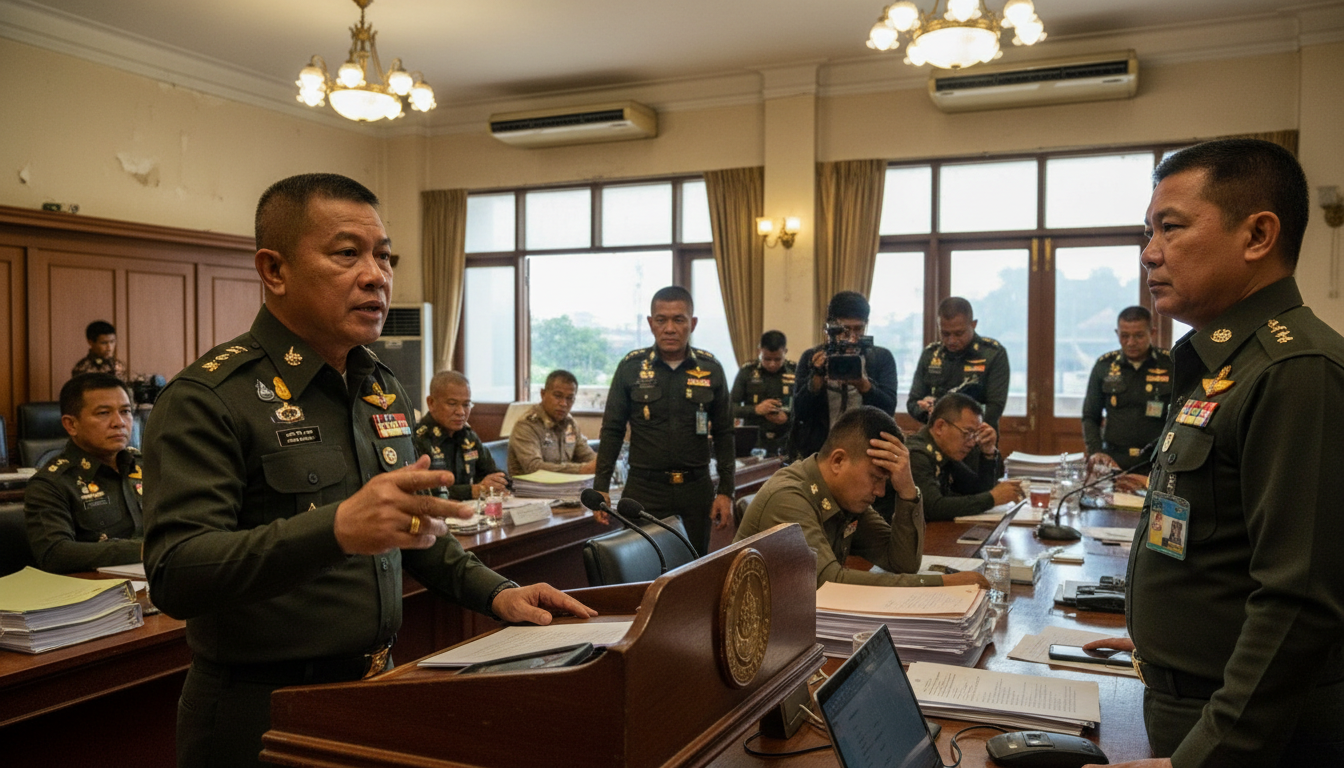
The Interior permanent secretary, Unsit Sampuntharat, on Tuesday defended his ministry's handling of alleged fraud within local recruitment exams. This defense follows criticism from his predecessor, who reportedly spoke of 'shame' concerning the ministry's recent controversies.
Mr. Unsit stated that the accused had been notified. He added that a ministry fact-finding probe was completed within seven days. Reports indicated external bodies were also conducting investigations. A reporter suggested officials above the director-general level might be involved in the alleged misconduct. The predecessor, identified as a former permanent secretary, reportedly expressed shame to be known as a retired Interior Ministry official because of scandals.
This rapid internal inquiry, while presented as conclusive by Mr. Unsit, exists alongside other investigations. This approach implies a recognition of the serious nature of the allegations, even as the ministry asserts its own response was sufficient. The comments from the former permanent secretary suggest a perception that the ministry's standing is compromised.
For any government body, demonstrating a clear and effective response to fraud allegations is essential for public confidence. When a former leader signals 'shame' regarding an institution's conduct, it suggests a significant deficit in public trust, both internally and externally. While not unique to Thailand, such situations resonate where public sector integrity is a consistent concern.
Ensuring the fairness of recruitment exams is fundamental for a functioning bureaucracy. When these processes face allegations of compromise, the direct cost falls on qualified individuals who may be unfairly disadvantaged. The broader public also pays an indirect cost through diminished confidence in those serving in civil positions. The current situation requires attention to the outcomes of the multiple ongoing investigations. What this episode says about the wider habit of addressing such concerns, or failing to, remains a significant question for those who aspire to public service and the citizenry they serve.
Sources
Newsletter
Pacific Daily
A curated briefing from Thailand, Asia-Pacific and the world.