Private Ferry Plans in Vancouver Highlight Public Transit Funding Strain
A naval architect's proposal for private ferry services in British Columbia signals challenges for publicly-funded infrastructure, a dynamic relevant to Southeast Asian urban planning.
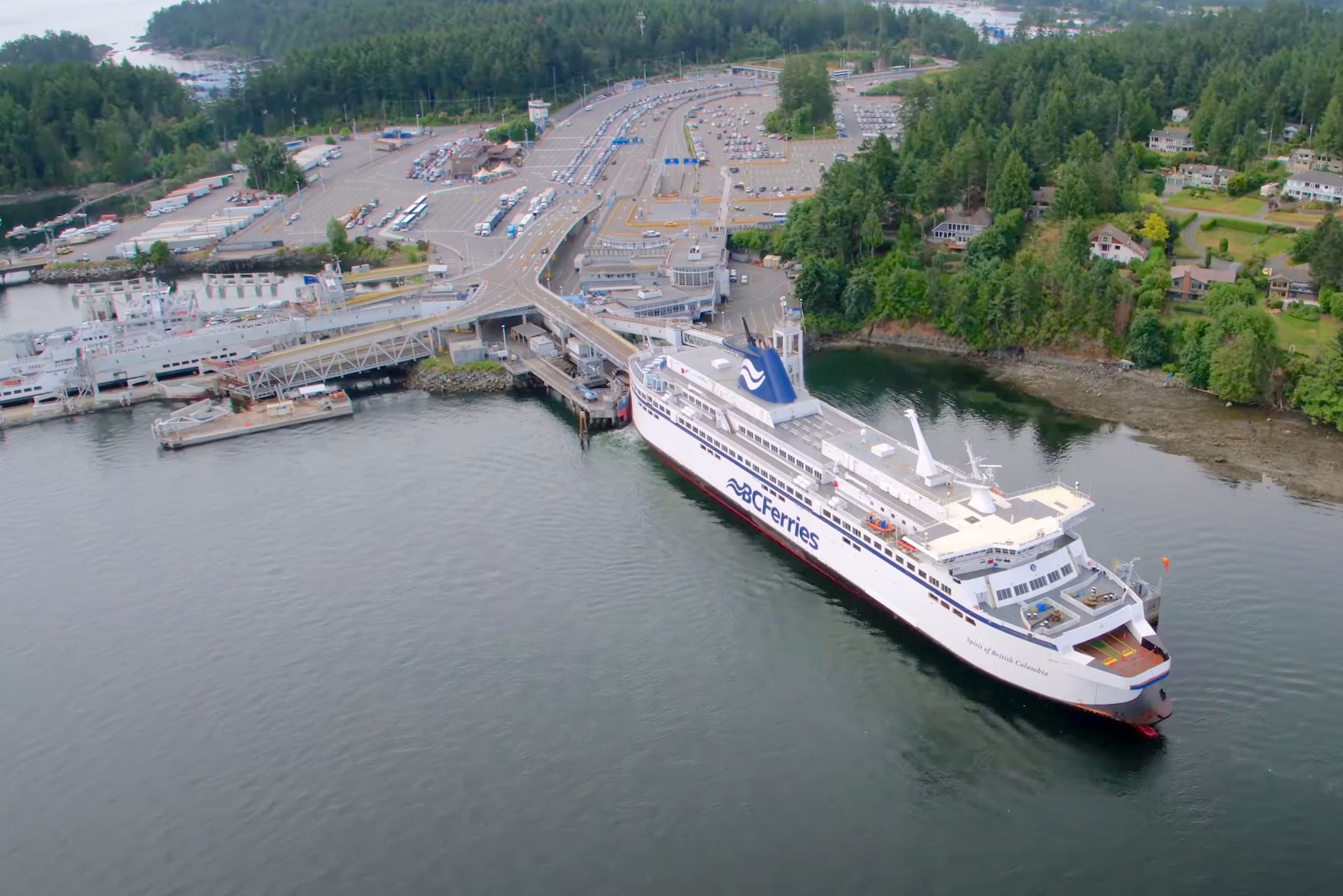
Promises regarding BC Ferries are a recurring theme in provincial elections. Callum Campbell, a naval architect and founder of CIRQL Ferries, notes this tradition. Campbell observes that these ferries are central to the lives of many British Columbians who live, work, and conduct business along the coast. He highlights their influence on work patterns and access to medical care, speaking from his perspective as a resident of Victoria. This cyclical political engagement with public transport issues, especially around a critical service provider like BC Ferries, reflects a broader tension. It shows the ongoing challenge of infrastructure investment and operational sustainability.
CIRQL Ferries, formerly known as Greenline Ferries, plans to launch a new passenger-ferry service. This service would link Downtown Vancouver with Bowen Island and the Sunshine Coast. This initiative, articulated by a founder of a private entity, suggests an assessment that current public provisions are not fully meeting demand or market needs. When private ventures emerge to address gaps in public services, it often indicates an underlying financial or operational strain within the existing public system. The question then becomes who benefits from such a shift, and who bears the costs, both directly and indirectly.
The public transport sector globally faces pressures. These come from rising operational expenses and maintenance requirements. In British Columbia, the ongoing political debate over BC Ferries suggests a significant cost burden, one that governments attempt to manage through promises and policy. A private company entering this space implicitly acknowledges a commercial opportunity. This opportunity could arise from different service models or by targeting specific market segments. Such a move creates a competitive dynamic where public and private interests may diverge. Differences can emerge regarding pricing, accessibility, and service levels.
For the Asia-Pacific region, especially rapidly urbanizing coastal areas and island nations like Thailand, the Canadian situation offers a parallel. Many cities grapple with congestion and the need for efficient maritime transport. Public transport systems, whether state-owned or heavily subsidized, are often seen as essential public goods. However, their financial viability can be precarious. When a naval architect identifies a business case for a private ferry service within a system already served by a public entity, it reveals unaddressed demand or a perception of inefficiency. This is a signal for policymakers to examine whether public subsidies are adequately directed. It also raises questions about whether the public system is agile enough to adapt to changing commuter needs.
Such private initiatives can alleviate some pressure on public budgets. However, they can also fragment service provision or lead to price increases for consumers, particularly those on less profitable routes. The crucial question is at what occupancy rate a private service like CIRQL Ferries becomes profitable. Then, how does that pricing structure impact residents who rely on these routes? The entry of a private player like CIRQL Ferries into the Vancouver market serves as a practical example of market forces responding to perceived public service limitations.
The implications for Thailand and other Pacific Rim nations are clear. Governments must weigh the benefits of market-driven efficiency against the public good of universal, affordable access. The emergence of private alternatives does not eliminate the need for robust public infrastructure. Instead, it shifts the focus to how effectively public funds are deployed and whether public services can innovate to remain competitive. The financial models underpinning public and private transport differ fundamentally; the former prioritizes social utility, the latter, return on investment. The future of coastal transport in many regions will depend on how these two imperatives are reconciled.
Sources
Newsletter
Pacific Daily
A curated briefing from Thailand, Asia-Pacific and the world.