North Vancouver Ballot Reveals the Narrow Margin of Urban Density
Linda Buchanan secures a third mayoral term on promises of rapid transit and street redesign, but commercial streetfront viability tests the limits of municipal planning.
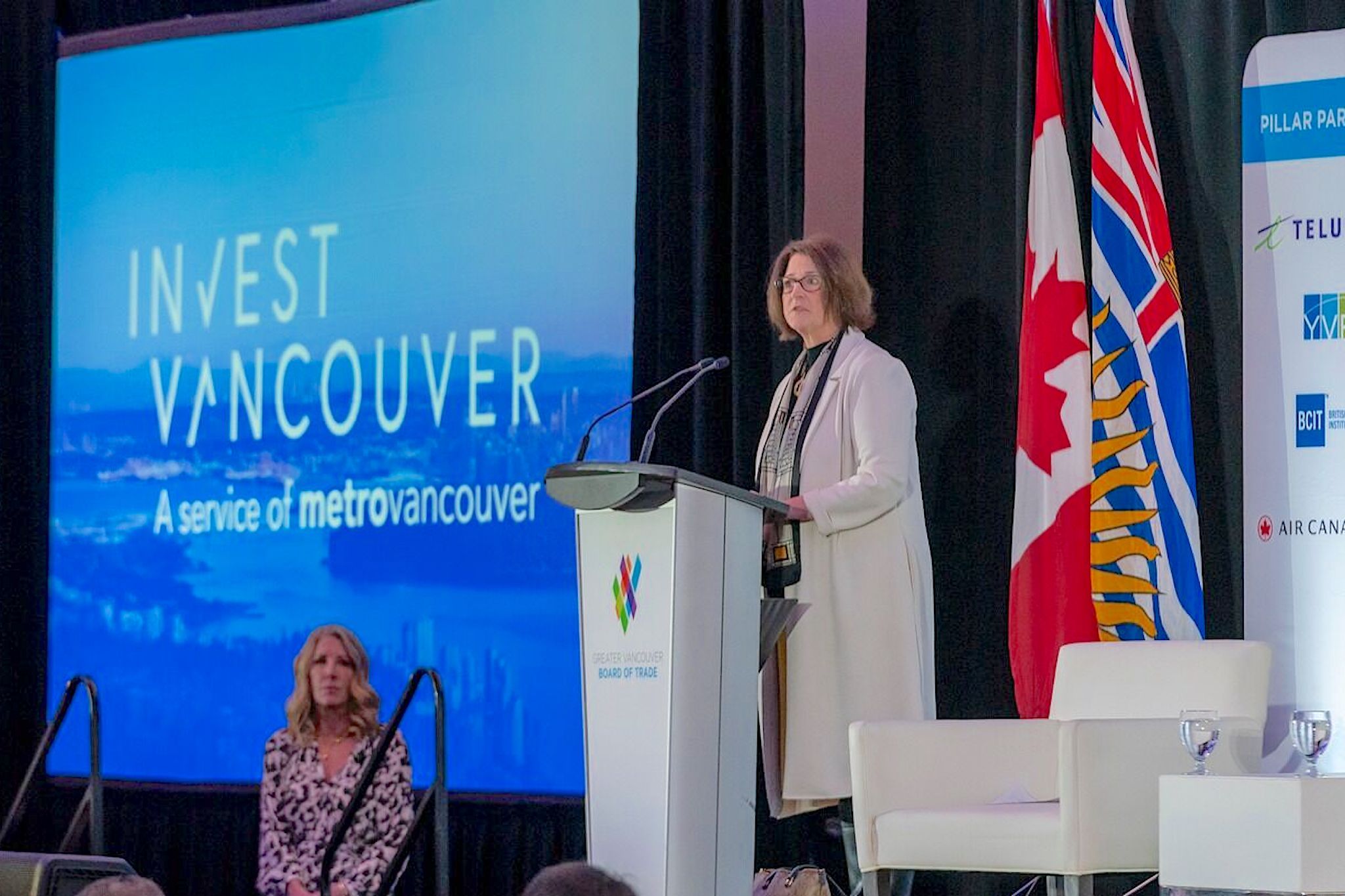
Urban renewal promises thriving storefronts, yet street-level commerce operates on margins that municipal planning consistently underestimates. In the City of North Vancouver, early civic election results in 2026 confirmed incumbent Linda Buchanan secured a third term as mayor. Official returns placed Buchanan ahead with 6,056 votes, followed by challenger Mike McGraw with 5,163 votes and Dave Kurvers with 1,602 votes. That outcome prolongs an administrative tenure beginning when Buchanan first won the mayoralty in 2018, preceded by service as a city councillor from 2011 to 2018. The modest vote difference between the leading contenders reveals deep community friction regarding density, infrastructure costs, and commercial survival along Pacific Rim urban corridors.
Every dining room and retail counter absorbs the shocks of civic zoning mandates long before ribbon cuttings occur. High-density developments alter customer flow while sharply accelerating underlying land valuations, forcing hospitality tenants to balance shifting patron habits against immovable commercial leases. Buchanan campaigned on expanding housing options, improving public transportation, and lowering costs for essential amenities like childcare. These commitments intersect directly with neighbourhood commercial health, as kitchen operators across waterfront districts face chronic staffing shortages when workforce housing and daily transit connections falter. Without reliable bus or rail access, cooks and front-of-house staff endure exhausting cross-boundary commutes that routinely drain neighbourhood labour pools.
The Capital Deficit
Civic intentions, however, face immovable budgetary boundaries. North Vancouver cannot unilaterally finance the arterial transit networks required to alleviate chronic traffic bottlenecks across the North Shore. Buchanan pledged to lobby senior provincial and federal authorities for major capital funding, particularly for North Shore rapid transit infrastructure. Seeking intergovernmental treasury transfers remains an established electoral promise, but converting legislative appeals into actual capital deployment presents persistent friction when senior levels of government confront competing regional infrastructure priorities. Elected leaders must continually negotiate grant allocations against rival regional jurisdictions pursuing identical pools of senior funding.
Public street redesign tests whether independent dining rooms and neighbourhood services can endure prolonged civic disruption.
Concurrent local initiatives, including the Lonsdale Great Street overhaul and the Health Innovation District, aim to transform pedestrian corridors into denser commercial arteries. Pedestrian-oriented streetscapes theoretically generate patronage, yet the disruptive phases of heavy street work routinely imperil small enterprises relying on weekly cash turnover. If sidewalk widening projects obstruct access for extended periods, independent kitchens bear the immediate operational loss while waiting on hypothetical long-term foot traffic gains. Suppliers navigating torn asphalt face elevated delivery surcharges that erode the fragile spread between wholesale ingredient costs and menu pricing.
Challengers McGraw and Kurvers drew significant ballot support by questioning municipal development trajectories. That electoral divide mirrors broader developmental strains across the Metro Vancouver Regional District, where legacy infrastructure commitments such as the North Shore Wastewater Treatment Plant highlight the escalating cost burdens placed on local balance sheets. When local taxpayers and property holders shoulder expanding civic debt, independent business tenants frequently face pass-through operational costs that thin already precarious operating margins. Small food businesses rarely maintain cash reserves sufficient to weather simultaneous utility tariff adjustments and municipal tax escalations.
The High Street Constraint
Municipal authorities pursuing high-density commercial strips must balance elevated property assessments against the longevity of legacy retail. When high-value redevelopments replace modest older spaces, corporate franchises equipped to absorb prolonged construction cycles often displace independent operators. Expanded childcare access and housing density provide essential support for kitchen workers, yet these social investments cannot offset commercial rents that outpace daily cash receipts. Retaining diverse culinary districts requires deliberate protective buffers that prevent escalating land assessments from pushing neighbourhood diners to the periphery.
Buchanan enters another term with deep institutional experience grounded in municipal governance since 2011. What remains unresolved is whether municipal lobbying can secure senior funding for North Shore rapid transit, or whether local commercial strips will navigate mounting civic overhead while physical transit access remains stalled.
Sources
Newsletter
Pacific Daily
A curated briefing from Thailand, Asia-Pacific and the world.