Municipal Fiscal Surcharges in New York Test Capital Mobility Toward Hong Kong
Tax policy shifts in Western financial centres alter private wealth calculations across Asian hubs, though relocation barriers remain formidable
HONG KONG
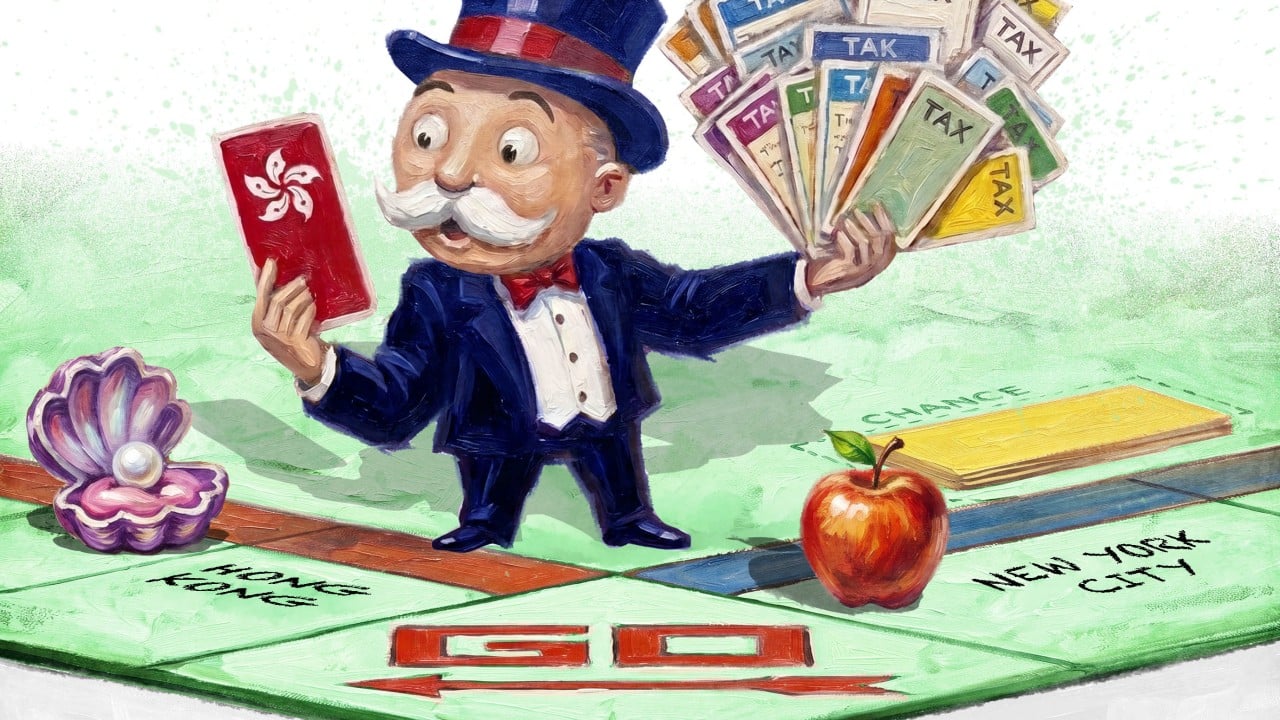
Capital reallocation rarely begins with ideological pronouncements; it begins with marginal adjustments to asset holding costs. When Zohran Mamdani secured the New York mayoral election on November 4 last year on an affordability platform, the policy direction pointed directly toward municipal tax extraction. Nearly twelve months later, Mamdani has enacted a surcharge on high-end second homes while maintaining pressure for steeper corporate and personal income taxes. For family offices and wealth managers monitoring jurisdictions from Manhattan to East Asia, that property surcharge functions as an initial price signal.
Financial centres compete on net yields after compliance and taxation. Municipalities expanding social programmes through levies on wealthy households alter the net cost of remaining in place. Analysts observe that Hong Kong could gain from this environment as high-net-worth families review asset distribution and tax residency exposure. If operational overhead in North America climbs, alternative global gateways offering stable baseline tax regimes inevitably enter comparative models.
The Incentive Structure of Wealth Relocation
Moving substantial private wealth between hemispheres involves far more than comparing statutory brackets. Real estate surcharges on secondary residences penalise dormant physical capital, incentivising liquid reallocation or portfolio hedging across distinct jurisdictions. Hong Kong retains institutional structures specifically designed for cross-border asset management and corporate holding entities.
Yet capital does not migrate on tax considerations alone. The counterargument to any anticipated exodus from New York rests on network density, legal familiarity, and institutional inertia. Deep capital pools, specialised professional services, and established family ties anchor wealthy individuals to North American financial districts despite incremental levies. Relocating family offices across continents imposes legal restructuring costs, currency risk, and operational disruptions that frequently exceed the price of a property surcharge.
Furthermore, wealth owners examining Hong Kong must weigh distinct regulatory environments and regional geopolitical alignments. While analysts highlight the potential upside for the Asian hub, private capital assesses total jurisdictional predictability rather than isolated tax rates.
Jurisdictional Balances and Capital Horizons
Corporate and personal tax proposals in New York remain contested, leaving the broader trajectory of municipal extraction subject to legislative negotiations. If Mamdani succeeds in pushing corporate and income tax rates higher, the cumulative burden will test the tolerance threshold of institutional capital far more acutely than an isolated property levy. Under such conditions, secondary financial centres across the Asia-Pacific region stand to capture selective inflows, particularly among international syndicates seeking geographic diversification.
Whether Hong Kong captures meaningful asset reallocation ultimately depends on policy stability and institutional friction. Tax increases in North American gateways may prompt wealthy households to reassess their global exposure, but capital transfers will remain selective, measured against the full administrative cost of establishing roots across the Pacific.
Sources
Newsletter
Pacific Daily
A curated briefing from Thailand, Asia-Pacific and the world.