Mass-Balance Accounting Masks Real Waste in the Plastics Circularity Push
Petrochemical claims of advanced chemical recovery rely on flexible ledger credits that separate reported recycled content from physical material reality.
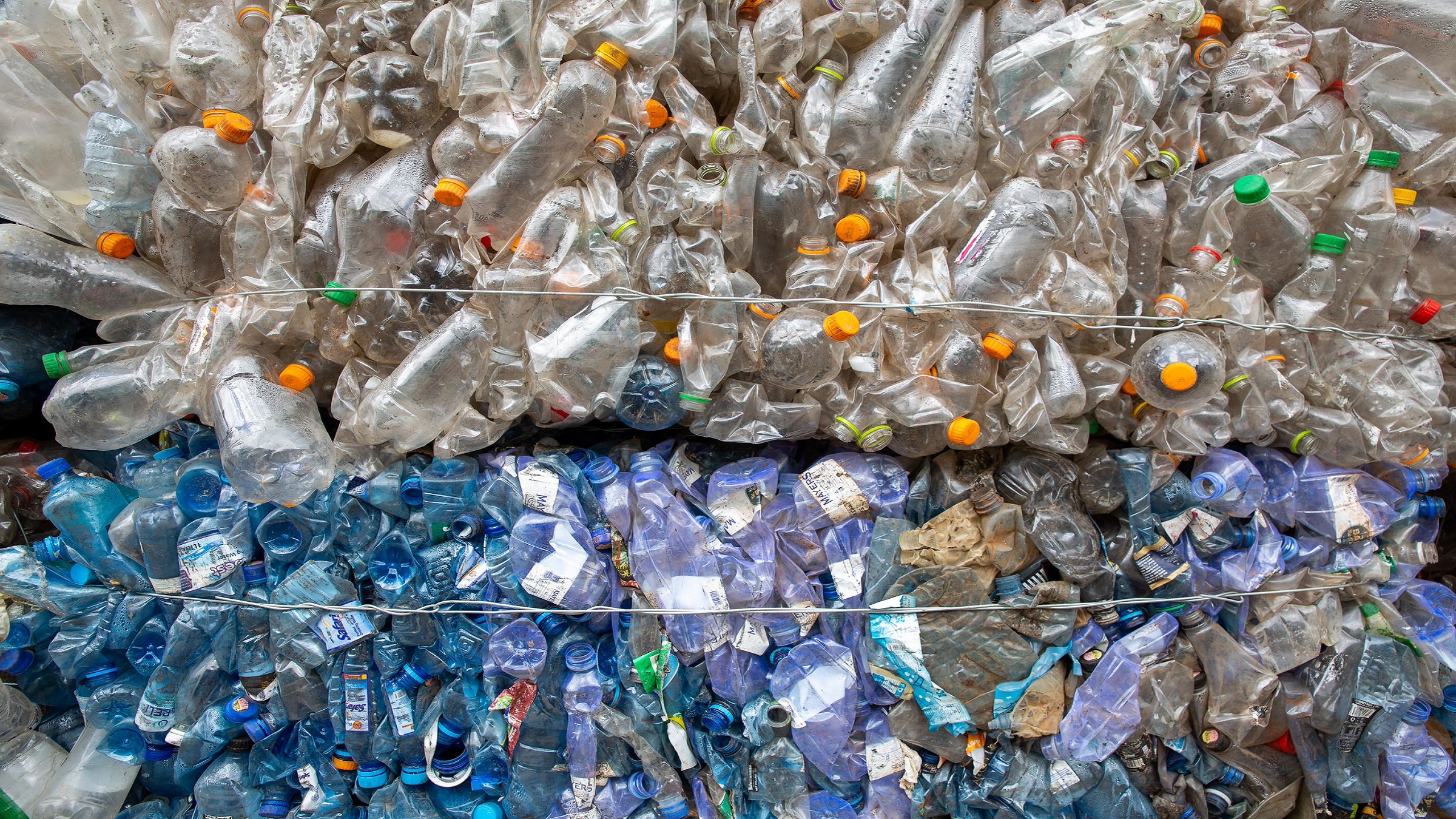
Plastic pollution has escalated into a global environmental crisis threatening ecosystem function and human health, yet the primary industrial defense rests on accounting rules rather than output limits. While scientists and sovereign governments press for statutory curbs on virgin polymer synthesis, petrochemical manufacturers insist that advanced chemical conversion can eliminate post-consumer waste streams independently. The central tension is measurable. Output continues to expand, while the recovery technologies marketed as broad environmental Solutions generate only fractional yields of reusable polymer feedstocks.
The debate turns on how industrial facilities classify secondary material flows. Major producers such as Exxon have directed capital toward processing complexes designed to break synthetic waste down into base chemical fractions. Proponents argue these systems can process contaminated scrap that mechanical sorting plants reject. Critics, however, contend that corporate bookkeeping frameworks deliberately rebrand thermal disposal and incineration as circular manufacturing, masking the volume of material actually lost to combustion.
Under prevailing mass-balance accounting protocols, processing plants allocate theoretical credits across product lines without tracking physical molecules into finished goods. A petrochemical plant can process mixed scrap and designate an arbitrary batch as containing 20 percent recycled content, even if the recovered hydrocarbons were burned as process fuel within the facility. That attribution mechanism allows virgin synthetic resins to be marketed as circular merchandise under legal, certified audit protocols.
The Mass-Balance Arithmetic
Ledger allocations decouple marketing claims from physical chemistry. Pyrolysis and gasification units inevitably yield high proportions of low-value heavy oils, waxes, and fugitive gases rather than pristine polymer precursors. When regulatory frameworks allow energy byproducts and process fuels to count toward recycling performance, reported compliance diverges sharply from material reality. Paper balances balance. The physical waste burden remains unchanged.
Deceptive accounting models risk converting regulatory oversight into an exercise in paper compliance rather than physical reduction.
Industry defenders raise an operational point that demands serious consideration: tracking secondary molecules through integrated refinery crackers is technically impossible at commercial scale. Blending recycled feedstocks with massive volumes of fossil inputs requires mathematical allocation if capital-intensive refining complexes are to process scrap at all. Yet accepting that operational constraint does not justify crediting consumed fuel as recovered product. When waste is incinerated for facility heat, treating the loss as circular recovery substitutes administrative convenience for ecological balance.
Disconnect Across Pacific Supply Chains
These accounting discrepancies carry acute consequences across Pacific Rim jurisdictions that process and receive consumer packaging. Municipalities across the basin absorb the direct fallout when promised recovery facilities fail to divert low-grade polymers or redirect unsorted scrap into standard municipal incinerators. An unsparing Reading of industrial balance sheets indicates that capital allocated to genuine closed-loop synthesis remains negligible compared to continued outlays for primary polymer infrastructure. Trade routes continue to channel unmanaged synthetic waste toward coastal regions ill-equipped to enforce complex chain-of-custody rules.
Enforcement now stalls at the measurement layer. Without verifiable chain-of-custody standards that require physical polymer retention, corporate circularity pledges operate primarily as shields against statutory manufacturing caps. The trajectory of regional waste management depends on whether international standards mandate strict molecular verification or permit balance-sheet credits to govern compliance.
Sources
Newsletter
Pacific Daily
A curated briefing from Thailand, Asia-Pacific and the world.