IndiGo Tests the Limits of the European Budget Playbook in India
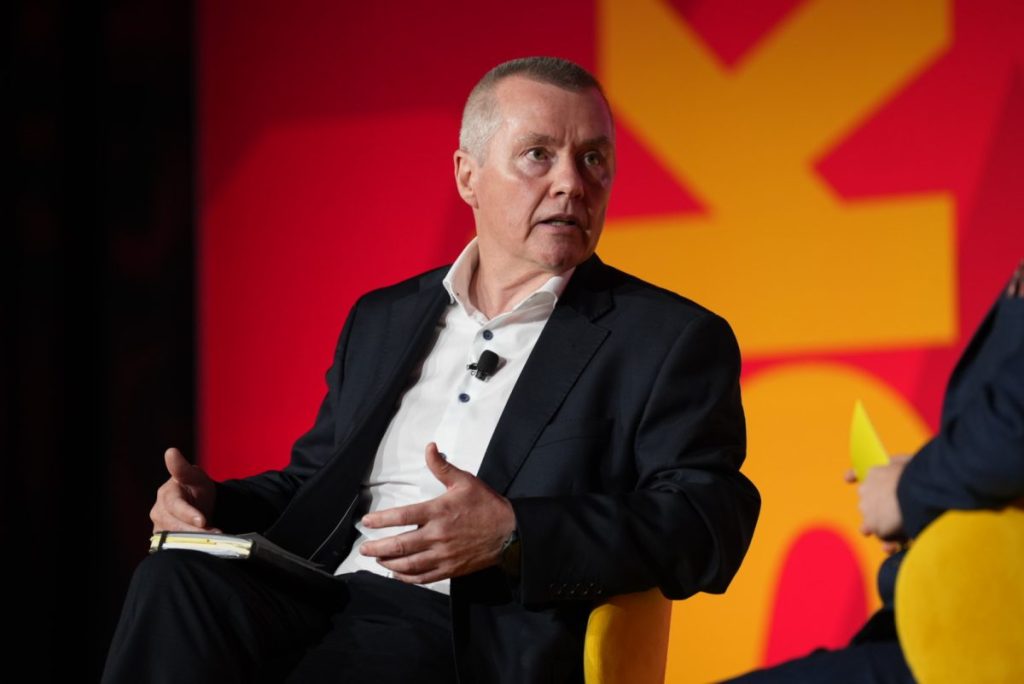
Willie Walsh seeks higher revenue per seat, but domestic regulatory limits complicate the unbundled transit model.
SINGAPORE
Budget aviation across South Asia established its scale on a single premise: stripping commercial flight down to basic carriage. IndiGo built domestic dominance across India by keeping operating costs low and base fares accessible to mass volumes of travelers. That operational doctrine is now pivoting toward European-style extraction. Chief executive Willie Walsh has outlined a deliberate push to generate higher yields from every flier through premium seating, paid add-ons, and loyalty structures.
This commercial pivot reflects shifting pressures inside India's largest carrier. After former chief executive Pieter Elbers departed, IndiGo co-founder Rahul Bhatia indicated managerial shifts in May. When market veteran William Walsh was appointed chief executive, IndiGo shares jumped 9 per cent. Underlying earnings, however, had previously plunged 78 per cent on foreign exchange movements and balance-sheet provisions. Fuel cost increases have continued to sustain operational losses even after fare increases, forcing the carrier to reconsider its dependence on raw seat volume.
The European Blueprint in a Regulated Market
The strategic template behind this pivot borrows directly from European low-cost carriers such as Ryanair. When passenger volume slows or costs climb, the European method compensates by charging separately for baggage, seat allocations, and boarding access. Walsh has identified clear targets for this extraction.
"There’s scope for growth in those three segments — premium, ancillary revenues per passenger and in the longer-term loyalty,"
Replicating that approach across the subcontinent faces immediate institutional friction. Ryanair operates under a European legal regime that largely deregulated consumer airline fees, enabling carriers to monetize every step of passenger movement. India operates under far tighter civil aviation oversight. Walsh himself concedes that India's domestic rules impose definite limits on unbundled fees. Tariff interventions and ministerial oversight restrict how aggressively an airline can split essential services from baseline fares.
Network Scale Against Price Sensitivity
Commercial tension also cuts into the airline's regional ambitions. Walsh intends to renew fleet assets and develop Delhi into an international gateway connecting Asian routes. Managing long-haul connectivity alongside segmented domestic seating creates operational complexity that standard low-cost models avoid. A carrier attempting to build an international transfer hub must provide reliable service integration, yet extracting aggressive ancillary fees tends to alienate domestic travelers who selected the airline purely for affordability.
Pushing premium cabins and loyalty tiers onto an airline built on basic transport tests the elasticity of the Indian traveling public. Business travelers demanding premium comfort expect lounge access and schedule flexibility, while price-conscious domestic passengers migrate quickly if unbundled fees drive total trip costs upward. The fundamental contradiction sits between the carrier's corporate ambition and its regulatory environment. Walsh seeks the balance-sheet cushion of European ancillary extraction, but IndiGo remains anchored to an Indian aviation policy written to protect travelers from the very fees that make the Ryanair model profitable.
Sources
Newsletter
Pacific Daily
A curated briefing from Thailand, Asia-Pacific and the world.