Commercial Real Estate and the Enforced Discipline of Tokyo Street-Level Grooming
Physical barbershops catering to yakuza clienteles illustrate how informal territorial branding confronts shifting commercial space risks across Japan
TOKYO
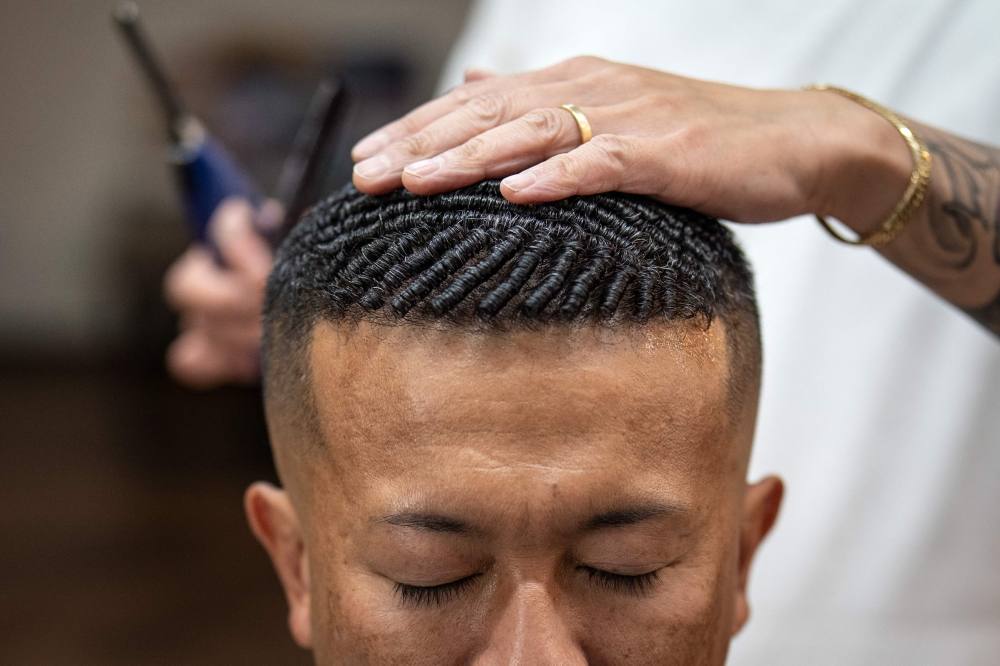
Retail storefront rents in central Tokyo require predictable cash flows, yet small shopfronts still host transactions that institutional credit committees would immediately flag. On Oct 24, at a barbershop in Tokyo, a yakuza gangster named Tekisasu examined a meticulous haircut in the glass. The haircut itself is a precision asset.
Personal presentation functions as working capital in an insular network. For an organized crime figure, severe grooming signals hierarchy, operational readiness and territorial standing. That visual branding generates recurring foot traffic for independent barbers, but it simultaneously destabilizes the micro-economics of the building housing them. Yield calculations for street-level properties do not just track rent per square meter; they measure tenant friction.
Traditional Japanese barbershops maintain tight operating margins. Equipment wears down, water rates tick upward, and chair utilization dictates whether a lease breaks even. An underworld patron like Tekisasu delivers inelastic demand and pays prompt cash. That stability matters to a neighborhood barber facing rising overheads across urban Japan. The trade-off is clear: guaranteed revenue today against heightened landlord scrutiny tomorrow.
Retail Tenancy and Identity Capital
Corporate rent rolls abhor regulatory liability.
Over the past two decades, municipal exclusion rules across Japan have penalized landlords who knowingly lease premises to support organized syndicate operations. Barbershops sit on a delicate commercial perimeter. Providing basic personal hygiene to Tekisasu is lawful commerce. Yet when a retail unit becomes a recognized gathering point for syndicate affiliates, adjacent commercial space suffers an immediate reputational discount. Neighboring retailers avoid shared entryways, and family foot traffic reroutes around the block.
Physical retail property preserves demand for niche personal services even as regulatory pressures mount across Japan.
Institutional capital handles this friction through blunt exclusion. Major property developers and domestic real estate investment trusts systematically scrub small street-level portfolios of informal tenancies. They enforce rigid compliance warranties, automated background checks and standardized corporate leases. A neighborhood barber relying on irregular local patronage cannot navigate those hurdles. When older two-story retail properties face demolition, these service outlets are cleared out with the masonry.
Structural Pressures on Informal Enclaves
Defenders of neighborhood commerce argue that a service provider cannot police customer affiliations. Grooming remains a discrete personal sale, separate from syndicate enterprise. That legal distinction holds in small claims court, but commercial asset managers operate by different standards. Institutional landlords evaluate property portfolios on exit cap rates and institutional debt terms. Any storefront tenant that invites regulatory inquiries or police visits impairs the entire building's collateral value.
Urban real estate consolidation is rapidly erasing the commercial margin that allowed these niche service enclaves to survive. As central Tokyo blocks shift from aging family-owned titles to corporate developments, customary tolerance gives way to contractual compliance. The viability of these specialized retail storefronts now depends on whether municipal regulators continue to classify grooming as harmless consumer retail or redefine it as material infrastructure for underworld operations.
Sources
Newsletter
Pacific Daily
A curated briefing from Thailand, Asia-Pacific and the world.