AI-driven snacks in Japan highlight an evolving household budget
Convenience stores use artificial intelligence to innovate, which could change consumer spending habits across Asia.
SINGAPORE
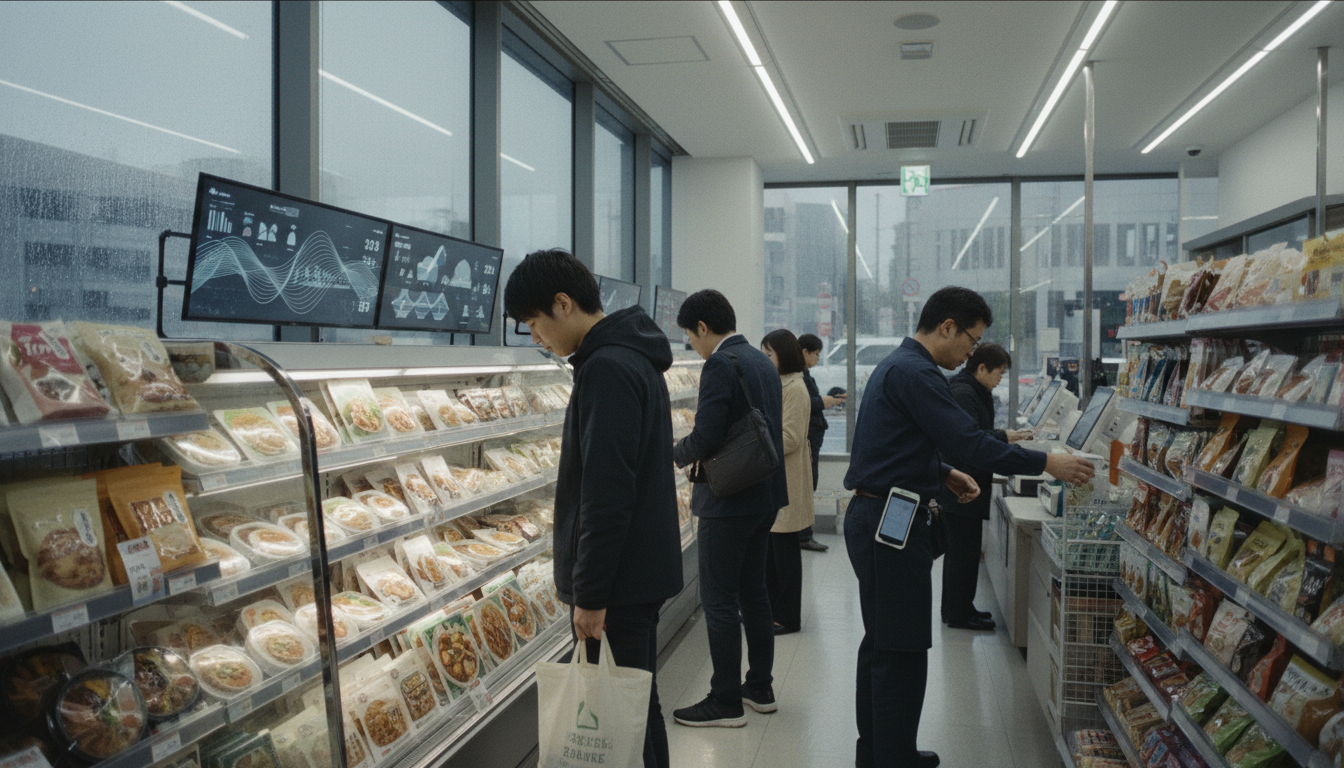
The headlines often focus on the larger implications of artificial intelligence, particularly its potential to reshape global industries or workforce structures. However, for many households, the impact might first appear on a much smaller scale, such as in their daily spending choices. In Tokyo, convenience stores are now employing AI to develop new products, including items like a pickle-flavoured lemon tart. This move by major operators, such as Lawson, aims to introduce novelties beyond standard offerings like egg sandwiches and rice balls. These new items, set to launch this month in Tokyo and surrounding regions, signify a shift in how food innovation is approached, moving from traditional development to data-driven creation.
For consumers in Southeast Asia, particularly Thailand, where convenience stores are deeply integrated into daily life, this development in Japan offers a glimpse into potential changes. The adoption of AI in product development suggests a future where consumer preferences, identified through algorithms, could lead to a constant stream of highly specific, perhaps even niche, food items. This could have two distinct implications for monthly budgets. On one hand, an expanded variety might offer more choices that align with individual tastes, potentially reducing impulse buys of less-preferred items. On the other, the novelty factor itself could drive increased discretionary spending, as consumers are tempted by a wider array of 'new' options daily.
The cost of these AI-generated products, which the fact sheet does not specify, will be a key determinant. If these items are priced higher due to their innovative nature or perceived uniqueness, they could gradually push up daily expenditure for those who frequently rely on convenience stores for meals and snacks. Conversely, if AI optimizes ingredient sourcing or production processes, it could theoretically lead to more affordable or better-value products, benefiting the consumer’s wallet.
While the introduction of AI-developed snacks might seem a minor detail compared to macroeconomic shifts, it reflects a broader trend of technology permeating everyday commerce. The willingness of large operators like Lawson to invest in AI for product innovation underscores a competitive market where novelty and precise consumer targeting are valued. The question remains whether these innovations will stabilize or disrupt the established spending patterns of the average person. The transition from familiar staples to an endless parade of AI-conceived treats could fundamentally alter how households allocate their daily food budget.
Some might argue that AI-driven innovation merely reflects existing consumer demand, thereby offering a more efficient way to meet preferences rather than creating new ones. In this view, if a pickle-flavoured tart appeals to a segment of the market, AI simply identifies and fulfills that need faster. However, the introduction of entirely 'never-before-seen' combinations suggests a degree of market creation, not just market response. The evidence for this specific impact is limited to the initial product launches; whether these novelties become long-term staples or short-lived trends is yet to be determined. The ultimate outcome for the average monthly budget will depend on how frequently these AI-generated options entice consumers and at what price point these novelties settle into the market.
Sources
Newsletter
Pacific Daily
A curated briefing from Thailand, Asia-Pacific and the world.