Capital Flows North to Japan’s Alpine Margins
Cross-border leisure development in Nagano exposes how Southeast Asian wealth repurposes regional periphery infrastructure.
SINGAPORE
Public mountain infrastructure built for domestic civic recreation in late-twentieth-century Japan requires unyielding maintenance expenditure, yet the capital underwriting its current physical survival increasingly originates in offshore private portfolios thousands of kilometres away. This friction between fixed geographic obligations and detached cross-border liquidity defines the latest expansion of Southeast Asian development syndicates into Japan's Northern Alps.
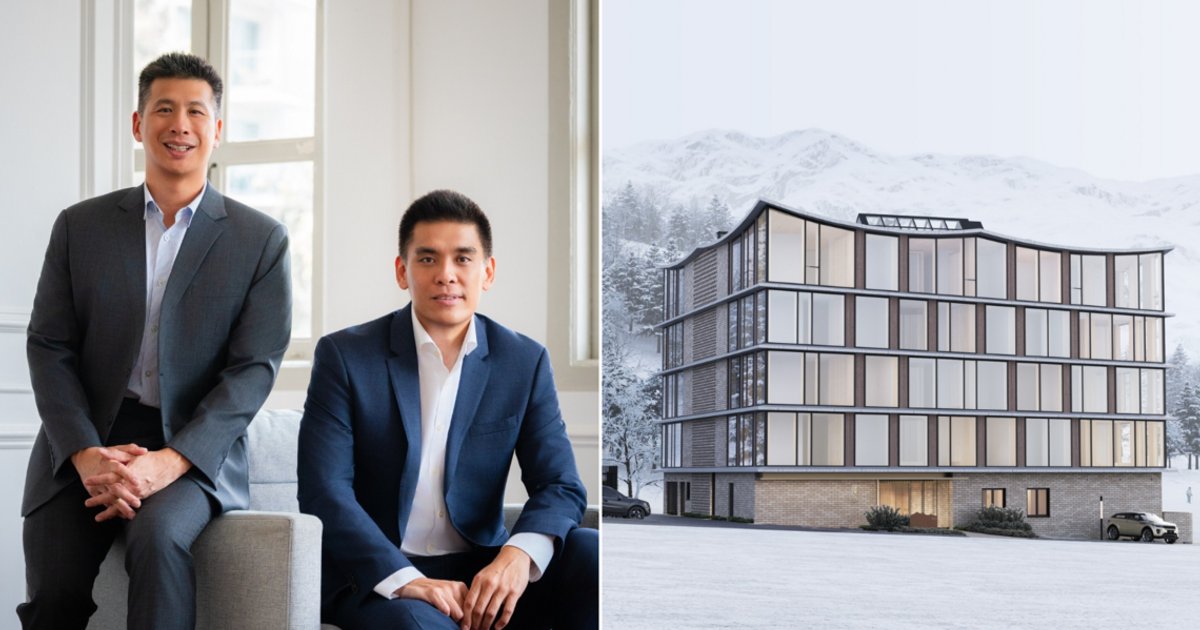
In Nagano Prefecture, Singaporean investment firm Ecclesia Asset Management and hospitality operator The SHC Group are combining capital and hospitality management to construct Miru Residences Hakuba. The project, led by Benjamin Cho and Mark Chia, who have partnered on real estate ventures since 2020, comprises a 30-unit apartment scheme in Hakuba village at the foot of the Japanese Alps. Historical context frames the location: the surrounding valleys hosted events during the 1998 Winter Olympics, three hours from Tokyo. The commercial structure reported for the site indicates that units will function as private holiday dwellings while generating short-term rental yields during absence.
Shifting Alpine Footprints
Post-war Japanese alpine recreation developed alongside state-backed transport corridors and predictable domestic wage expenditures. As inland prefectures confront demographic contraction and sustained rural aging, that domestic fiscal base has thinned. Local municipal authorities in Nagano consequently shoulder rising civil commitments to service village roads, slope transit systems, and water networks without equivalent expansion in resident tax rolls.
Foreign direct investment steps directly into this fiscal gap, altering the operational assumptions of peripheral settlements. According to corporate disclosures reported by The Straits Times Life, the Hakuba venture targets individual buyers seeking seasonal recreational access coupled with asset diversification. Because the physical footprint of Hakuba village sits adjacent to established ski infrastructure such as Happo-One Snow Resort, private developers can market access to high-value recreational assets whose foundational capital costs were absorbed decades earlier by Japanese public entities. The resort village ceases to operate primarily as an alpine recreation ward for metropolitan Honshu and becomes an offshore node within Southeast Asia's wealth distribution circuit.
Commercial sponsors reasonably argue that syndicated international capital delivers preservation funding that domestic sources fail to supply. Private hospitality consortia assume building obsolescence risks that municipal treasuries cannot absorb, channeling external liquidity into rural construction contracts and seasonal service sectors that might otherwise face protracted stagnation.
Structural Asymmetries in the Periphery
Yet the structural division between capital ownership and civic upkeep remains pronounced. While development syndicates capture residential sales revenue and hospitality fees, municipal administrations retain unhedged operating exposures. Hakuba village remains obligated to maintain utility networks, emergency services, and high-volume snow clearance during peak winter months, even as full-time resident counts diminish.
Serviced apartments calibrated for seasonal tenancy operate with severe demand variance. Units remain vacant across shoulder seasons, concentrating their physical wear and infrastructure burdens into narrow operating windows. When real estate acquisition is driven by purchasers residing offshore, operating returns flow back through Singaporean corporate accounts, while the physical costs of environmental weathering and baseline municipal upkeep remain fixed on local balance sheets.
As Southeast Asian capital deepens its operational reach across Nagano Prefecture, the underlying administrative tension sharpens. Inflows of cross-border real estate funding can reconstruct discrete lodging facilities, but they leave the long-term maintenance of the surrounding mountain perimeter dependent on an aging local public.
Sources
Newsletter
Pacific Daily
A curated briefing from Thailand, Asia-Pacific and the world.