Beyond the Capes: The Enduring Techniques of Pop Culture Conventions
While North American events like Burnaby's MetroCon attract enthusiasts with superhero and horror icons, the mechanics of these gatherings reveal a deeper, commercially-driven interplay between audience, celebrity, and curated experience, offering lessons for Asia-Pacific organizers.
SINGAPORE
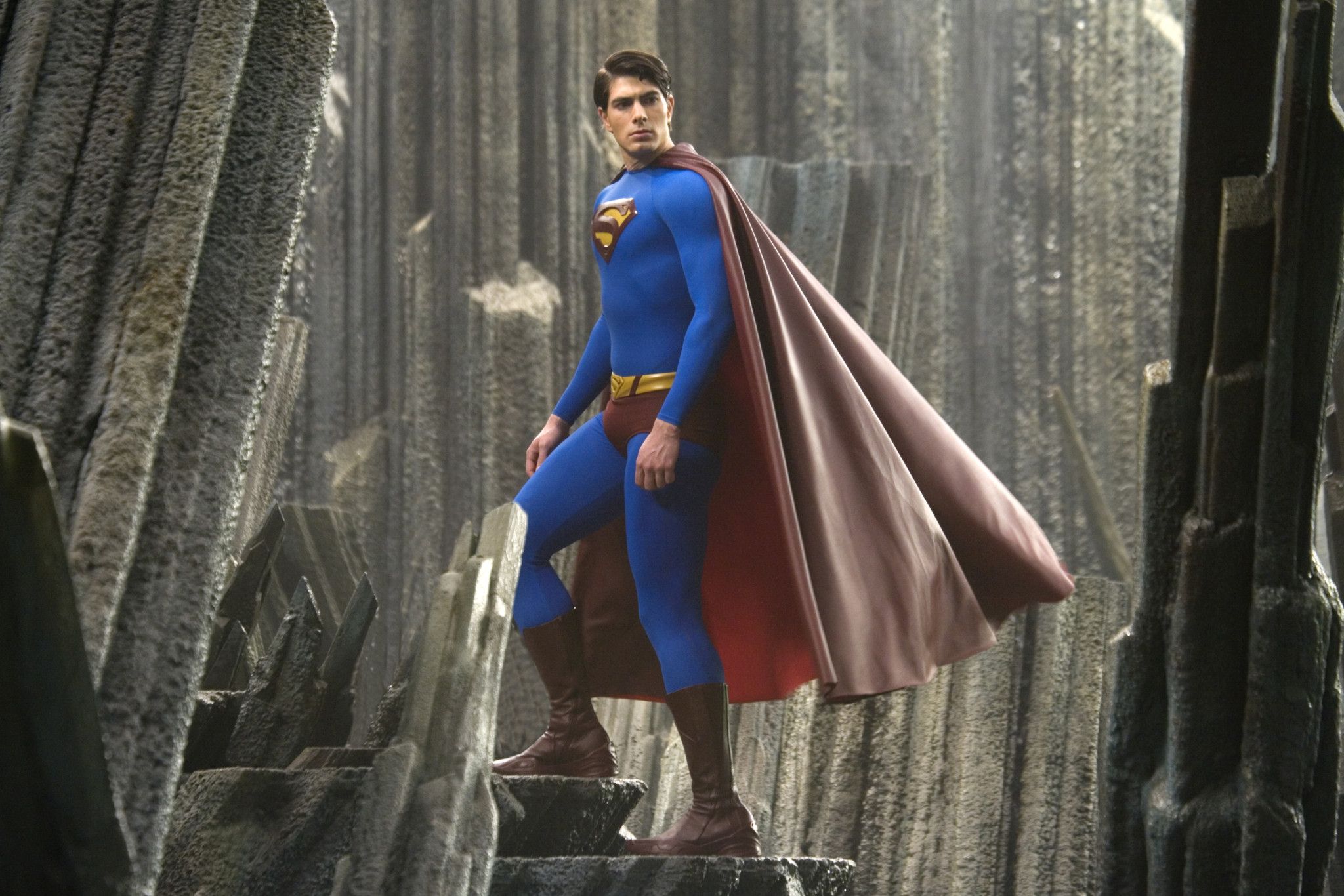
MetroCon returns to Burnaby this weekend, drawing attendees with appearances by actors known for roles like Superman and Michael Myers. This event, presented as part of the 2026 Burnaby Halloween Festival, takes place at Simon Fraser University’s Convocation Mall from October 16 to 18. Such gatherings rely on the appeal of specific figures to attract participants, an observation consistent across similar events.
The core technique here involves a direct, though brief, connection between fans and individuals associated with prominent fictional characters. Brandon Routh, recognized for his portrayal of Superman, and Tyler Mane, known as Michael Myers, are among the headliners. This direct access, whether for autographs or photo opportunities, serves as a primary draw. The event also broadens its appeal by featuring stars from films such as Ginger Snaps, A Nightmare on Elm Street, Gremlins, and The Cabin in the Woods.
While the promotional language highlights "major star power" and frames it as a "Halloween season event," the underlying mechanism appears commercial. These conventions are structured to monetize fandom through ticket sales, vendor booths, and celebrity interactions, sources suggest. The cost to sustain such events involves securing these personalities, renting venues, and managing logistics. This model, observed in Burnaby, prioritizes the visibility of familiar figures to guarantee attendance, indicating a clear financial calculation.
Consider the varying interpretations of such icons. In August 2026, China’s Unitree unveiled a 'Superman' robot, suggesting a technological take on the character’s legacy. A BBC report from August 2026 mentioned a teenager fighting fires dressed as Superman, pointing to an aspirational, community-focused appropriation. Meanwhile, an August 2025 Financial Times article discussed a 'superman' billionaire in Hong Kong, indicating a metaphorical use of the term. These diverse applications demonstrate that while the character resonates widely, its commercial packaging in a convention setting maintains a distinct economic objective.
The challenge for organizers, particularly in markets like Thailand, remains assessing if the cost of securing such international talent justifies the expected return. While the allure of 'Superman' is globally recognized, as evidenced by a 2018 Greenpeace action using a Superman-shaped drone at a French nuclear plant, the specific appeal of actors associated with these roles requires careful calibration. The question arises whether regional audiences would respond to the same commercial technique with sufficient enthusiasm to make the venture viable. The success of Burnaby’s MetroCon depends on a local appetite for these specific guest actors and the broader pop culture activities offered.
These conventions persist by curating focused experiences around specific pop culture touchstones. Their ongoing presence, whether in Burnaby or elsewhere, underscores the continued economic value in connecting audiences with the perceived real-world extensions of their fictional fascinations. This technique relies on a proven model of celebrity appearances and themed engagement, though its profitability is constrained by the significant costs involved in securing high-profile guests, a constraint that remains unresolved.
Sources
Newsletter
Pacific Daily
A curated briefing from Thailand, Asia-Pacific and the world.