A Working Journalist Takes the Pageant Stage in Klang
Kavitha Malathy’s double title highlights how media workers navigate profile and mobility across Malaysia
SINGAPORE
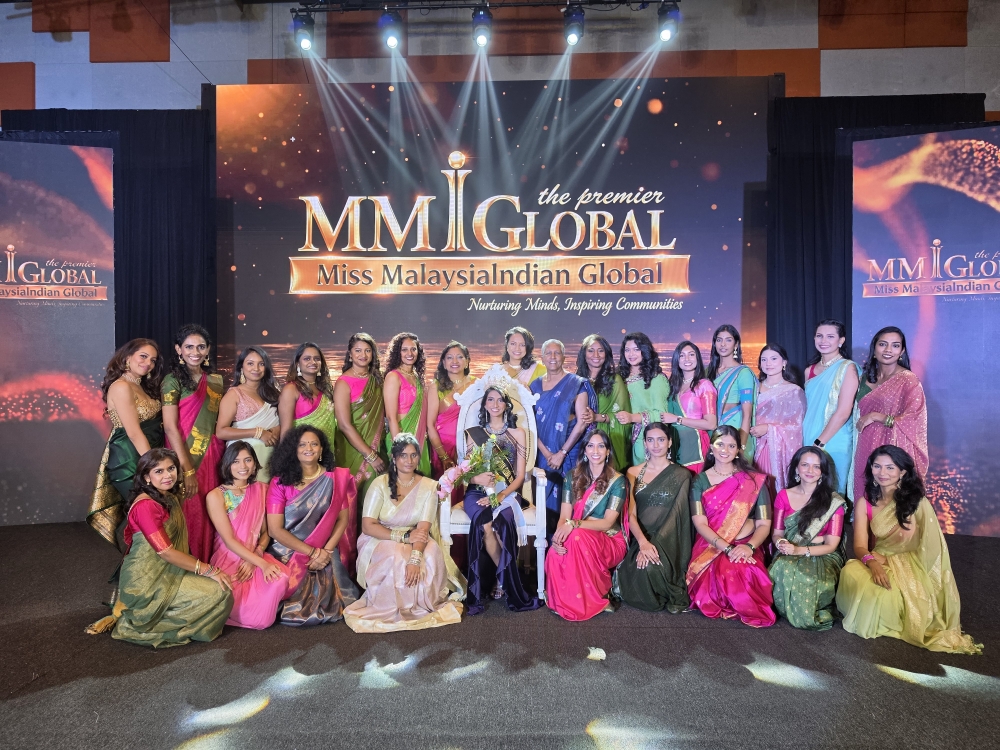
Newsroom employment in urban centres like Puchong, Selangor, places immediate pressure on young professionals seeking upward mobility against modest entry-level wage bands. When Lowyat Media Group journalist Kavitha Malathy secured a double win at Miss Malaysia Indian Global 2026 in Klang on Oct 19, the transition from desk reporting to competitive stage work stood out against typical career trajectories. The development points to an emerging pattern where media workers actively construct independent public profiles alongside their standard institutional duties.
Community-focused pageants have traditionally operated on separate cultural tracks from online beat reporting. However, this cross-disciplinary victory suggests a deliberate convergence between workplace identity and personal public reach. For a practicing journalist, committing personal hours to an external ethnic pageant involves balancing demanding reporting cycles against intensive public preparation. The decision indicates that personal visibility is increasingly treated as tangible professional capital.
The Real Cost of Profile
Entering competitive platforms inevitably requires upfront expenditure. Wardrobe sourcing, grooming routines, and transport between Puchong and Klang demand capital that must be carved directly out of a standard salary. Every ringgit committed to stage presentation represents money deferred from routine savings or structured professional training.
Such financial commitments carry clear risks, as pageant placement is never guaranteed and unplaced contestants absorb net outlays without immediate return. Yet institutional promotion within media organisations frequently moves at an incremental pace, prompting professionals to test alternative avenues for personal mobility. Gaining a recognised title provides immediate distribution across digital platforms, including YouTube and TikTok, bypassing slow newsroom seniority tracks.
The double win also expands occupational visibility for Malaysian Indian women within the local media sector. Commercial journalism in Malaysia can limit individual mobility to specific beats. Visibility through Miss Malaysia Indian Global broadens that base, creating a distinct personal standing outside the institutional boundaries of Lowyat Media Group.
Cultural Space and Working Realities
Sceptics argue that pageant titles provide only temporary commercial attention while reinforcing individualised models of advancement. Stage accolades do not alter collective base wages or resolve precarious contracting conditions within commercial newsrooms. An individual winner may capture immediate speaking or branding opportunities, but those benefits do not alter the baseline earnings of editorial colleagues facing similar household costs.
This structural critique carries legitimate weight, as individual personal branding cannot substitute for collective wage standards or institutional workforce protections. Even so, interpreting such efforts merely as promotional vanity overlooks the practical calculation facing workers whose standard wage tracks offer constrained upward movement.
Media practitioners across peninsular Malaysia operate in an increasingly fractured attention market. The movement between active reporting and competitive stage performance shows how editorial staff hedge their professional value across wider audiences, extending from urban Selangor toward regional diaspora networks in Singapore and India.
Whether Kavitha Malathy’s title delivers sustained career leverage will depend on how effectively stage visibility translates into lasting professional autonomy. The outcome in Klang indicates that for working reporters, public profile cultivation is no longer a peripheral diversion, but an calculated effort to navigate the bounded economics of modern media work.
Sources
Newsletter
Pacific Daily
A curated briefing from Thailand, Asia-Pacific and the world.