Weather Volatility, Not Geopolitics, May Be Canada's Real Pacific Challenge
While strategic discussions focus on Canadian engagement with the Indo-Pacific, a recent travel advisory illustrates that environmental factors can redirect attention and resources just as sharply.
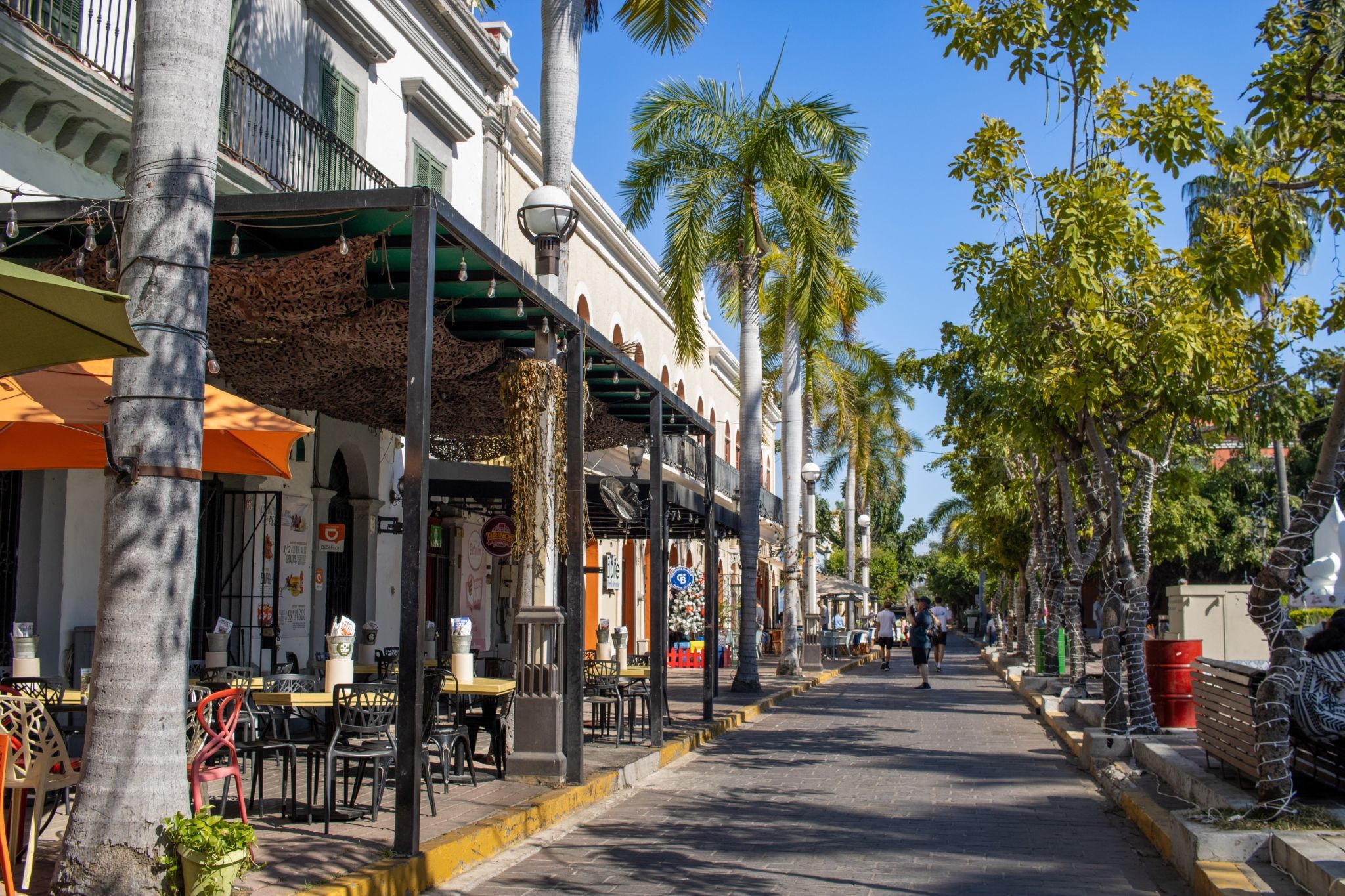
The Government of Canada recently issued an urgent travel advisory. It urged Canadians to “avoid non-essential travel” to Mexico’s west-central coast, specifically from Punta San Telmo to Bahia Tempehuaya, including the Islas Marias islands. This warning, published on Monday, cited Hurricane Simon, which is expected to sweep across the region and make landfall near Mazatlán on October 15, 2026. The storm is predicted to bring heavy rain and violent winds, increasing local risks. This immediate concern for traveler safety in Mexico offers a perspective: environmental events, rather than broad geopolitical strategies, can necessitate rapid shifts in national focus.
For a culinary critic, weather events are not merely inconveniences; they fundamentally disrupt supply chains and agricultural output. A major hurricane, such as Simon, devastates coastal farmlands and fishing grounds. The immediate impact on Mexico’s local food systems, from produce to seafood, would be significant. These are the ingredients that define regional cuisines and sustain local economies. The long-term recovery for agricultural sectors in affected areas often stretches beyond the immediate aftermath, affecting availability and pricing for months, if not longer.
Canada has articulated an Indo-Pacific strategy, a framework aimed at deepening its engagement with a region that includes Thailand and other Southeast Asian nations. However, the Mexico travel advisory shows the immediate, undeniable draw of a more proximate environmental crisis. While the Lowy Institute suggested in September 2026 that Canada’s “Trump trouble” could find answers in a “Pacific hedge,” and East Asia Forum argued in March 2026 for rethinking “like-mindedness” within Canada’s Indo-Pacific strategy, these strategic conversations often overlook the volatile nature of global weather patterns.
Consider Thailand, a nation with extensive coastlines and a significant agricultural sector, both vulnerable to weather extremes. A similar hurricane event impacting, for example, the Gulf of Thailand, would trigger comparable travel advisories and logistical challenges. The economic implications for tourism and the seafood industry alone would be substantial. This suggests that while nations like Canada develop expansive geopolitical strategies, the pragmatic realities of climate change and extreme weather can frequently dictate immediate policy and resource allocation.
Reuters reported in August 2026 that Middle East buyers expressed interest in LNG cargoes from Canada, indicating Canada’s role in global energy markets. Yet, this global trade is predicated on stability, which is directly threatened by severe weather. The Canadian Pacific also received a strike notice from signals workers’ union in May 2026, highlighting internal pressures. Both domestic issues and environmental events demand immediate attention. This attention can divert from or shape the implementation of broader foreign policy objectives.
The challenge for nations like Canada is integrating the growing frequency and intensity of environmental disruptions into their long-term international strategies. While the narrative might be one of increasing engagement with the Asia-Pacific, the practical application of national resources, as evidenced by the Mexico advisory, can be dictated by acute environmental risks closer to home. This tension between strategic intent and immediate climate-driven demands remains largely unresolved, presenting a constraint for any nation aiming for consistent regional engagement.
Sources
Newsletter
Pacific Daily
A curated briefing from Thailand, Asia-Pacific and the world.