Water Scarcity Fuels Desperation: A Regional Outlook
The tragic events in Sri Lanka signal an intensifying competition for resources across the Indo-Pacific, impacting property markets.
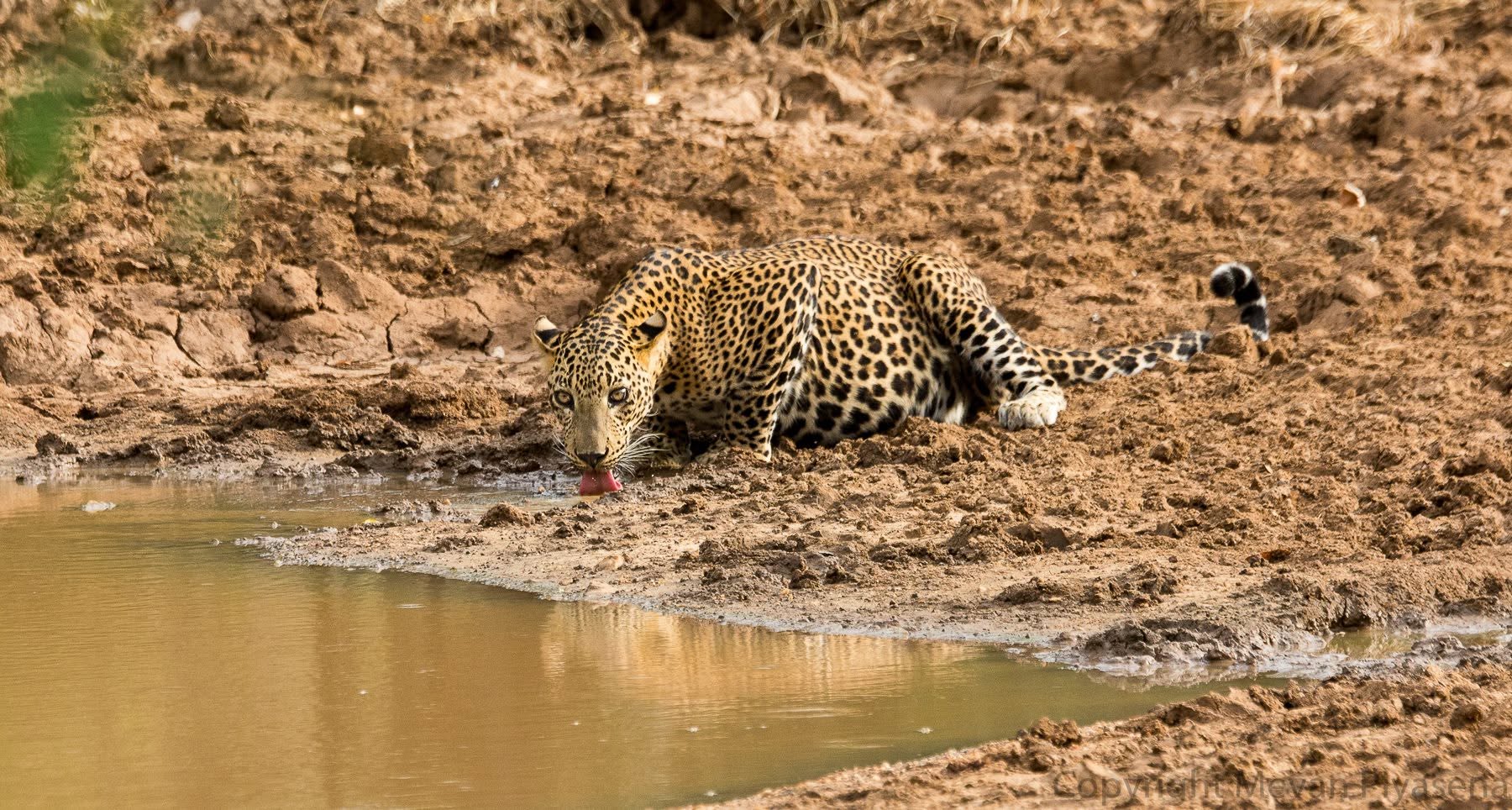
In July 2016, six wildlife officers in southern Sri Lanka responded to reports of poachers poisoning a water hole to kill wild animals for meat. A dead deer lay near the poisoned water. During an attempt to apprehend two suspects, a wildlife ranger was fatally wounded. This incident, reported by Mongabay Asia on September 17, 2026, illustrates the deadly nexus between resource scarcity and illicit activity.
The immediate trigger was drought, shrinking water sources. This pressure, while localized in Sri Lanka, offers a concerning signal for the wider Indo-Pacific region, including Thailand. The long-term implications for property markets stem from escalating competition for fundamental resources.
Water access directly influences land valuation and development feasibility. Areas with reliable water infrastructure become more desirable, driving up property values. Conversely, regions facing chronic water shortages will experience reduced investment and potential depreciation. The Sri Lankan event underscores a brutal reality: when basic resources become scarce, the value of access to those resources, and the land tied to them, intensifies. This often marginalizes vulnerable populations and small-scale landholders, who may be priced out of increasingly contested areas or lose the viability of their land use.
While this incident occurred in Sri Lanka, a nation that called for a $1 billion debt restructure in April 2022, suggesting broader economic fragilities, the principle applies regionally. Thailand, with its significant agricultural sector and expanding urban centers, faces its own set of water management challenges. While there is no direct evidence suggesting widespread poisoning of water sources for poaching in Thailand, the underlying drivers of resource scarcity and the desperate measures it can provoke remain relevant. The South Korean perspective, as highlighted by The Diplomat in March 2019, emphasizes a 'Free and Open Indo-Pacific,' which implicitly includes secure access to resources, a concept often challenged by such localized conflicts.
A counterargument suggests that the Sri Lankan event is an isolated case, specific to its unique ecological and socio-economic context. It is true that the scale of poaching for meat, and the specific method of poisoning, may not be directly translatable to all parts of the Indo-Pacific. Furthermore, national governments, including Thailand’s, have water management policies and environmental protection agencies aiming to prevent such extreme outcomes. However, even with these safeguards, localized resource conflicts are not uncommon, and climate change projections indicate increasing stress on water systems across the region. The incident in Sri Lanka, while tragic and specific, serves as an early warning of the kind of desperation resource scarcity can breed, with tangible downstream effects on land use and, by extension, property values.
The outlook for property markets across the Indo-Pacific, therefore, increasingly hinges on effective resource governance and climate adaptation strategies. The unsolved constraint remains the accelerating demand for finite resources against an unpredictable environmental backdrop. The outcome now depends on whether governments and developers integrate resource security into their long-term planning, or allow localized conflicts to escalate, gradually eroding stability and asset values.
Sources
Newsletter
Pacific Daily
A curated briefing from Thailand, Asia-Pacific and the world.