Vancouver's Early Voting Surge Signals Shifting Civic Engagement
Record advance turnout in Canada's Pacific Gateway prompts questions on voter trends in Asia-Pacific urban centers.
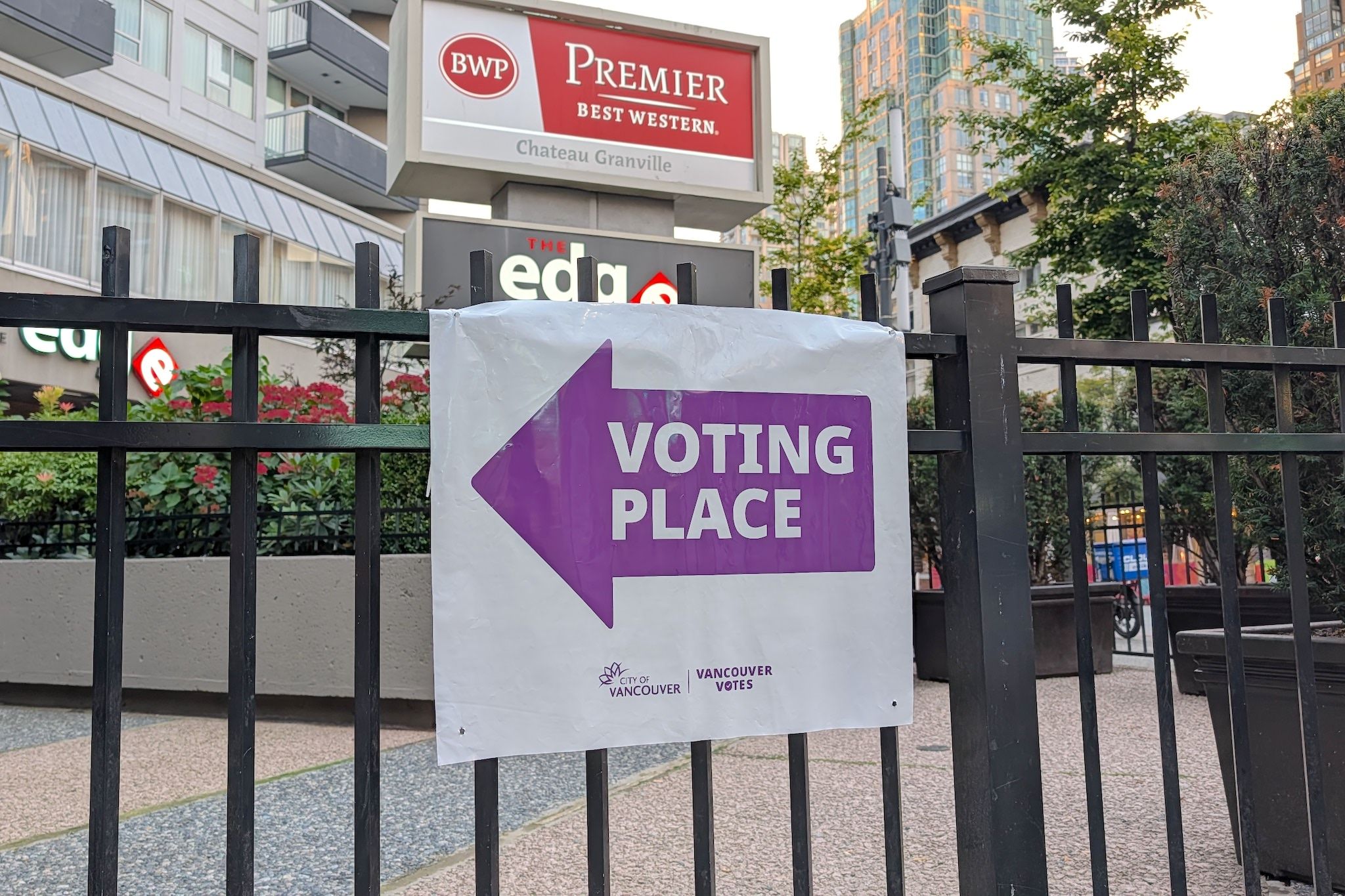
The City of Vancouver's recent advance voting figures reveal a significant shift in civic participation. For the 2026 civic election, the first three advance voting days have already exceeded the total voter count from all five advance voting days in 2022. This comes with one advance voting opportunity still left.
The municipal government’s preliminary data indicates 27,748 people voted on Saturday, Oct. 10. This marks a new all-time, single-day advance voting record for the third consecutive time. The turnout on Saturday, Oct. 10 surpassed 25,142 on Wednesday, Oct. 7, and 21,824 on Saturday, Oct. 3. The 2026 third advance voting day turnout was approximately double the 13,856 people who participated on the third advance voting day in 2022. This quantitative leap suggests a re-evaluation of engagement patterns.
Such a concentrated surge in early voting, while specific to Vancouver, raises questions for rapidly urbanizing centers across the Asia-Pacific. The ease of access provided by advance voting might be a factor in this increase. The City of Vancouver's system, allowing votes ahead of the main election day, offers a potential model for localities grappling with the logistics of high-density populations and diverse work schedules. Whether this translates into higher overall turnout or merely a re-timing of votes remains to be seen. The distinction is critical for understanding the health of civic processes.
Attributed claims from Forbes describe Vancouver as a "perfect pre-cruise destination" and highlight luxurious hotels like the Fairmont Pacific Rim. The city's appeal as an international hub, combined with practical voting mechanisms, could contribute to increased participation. This link between urban development, transient populations, and civic duty warrants further analysis. If global cities like Vancouver can streamline voting for a diverse, mobile populace, the implications for metropolitan areas like Bangkok or Singapore are notable. These cities face their own challenges in ensuring equitable and accessible democratic processes amidst rapid growth.
Attributing the reported rise in advance voter participation solely to operational improvements overlooks several critical variables. The absence of specific detail regarding the issues debated in the 2026 Vancouver civic election presents a significant analytical gap. Without insight into the prevailing political climate or the perceived stakes, isolating the exact drivers of voter behavior becomes problematic. A higher turnout in advance voting does not intrinsically guarantee a proportionally higher overall turnout; it could merely represent an acceleration of existing voters rather than an expansion of the electorate. While the Daily Hive Vancouver noted this record for the third consecutive time, suggesting a trend, the underlying causes demand deeper inquiry. The constraint that remains unresolved is the absence of data on the total eligible voter base and the specific policy debates that might energize it.
Sources
Newsletter
Pacific Daily
A curated briefing from Thailand, Asia-Pacific and the world.