Urban Asphyxiation Exposes the Structural Failure of Amazon Fire Containment
Treating systemic drought and agricultural burning as episodic crime leaves regional population centers defenseless against prolonged ecological exhaustion.
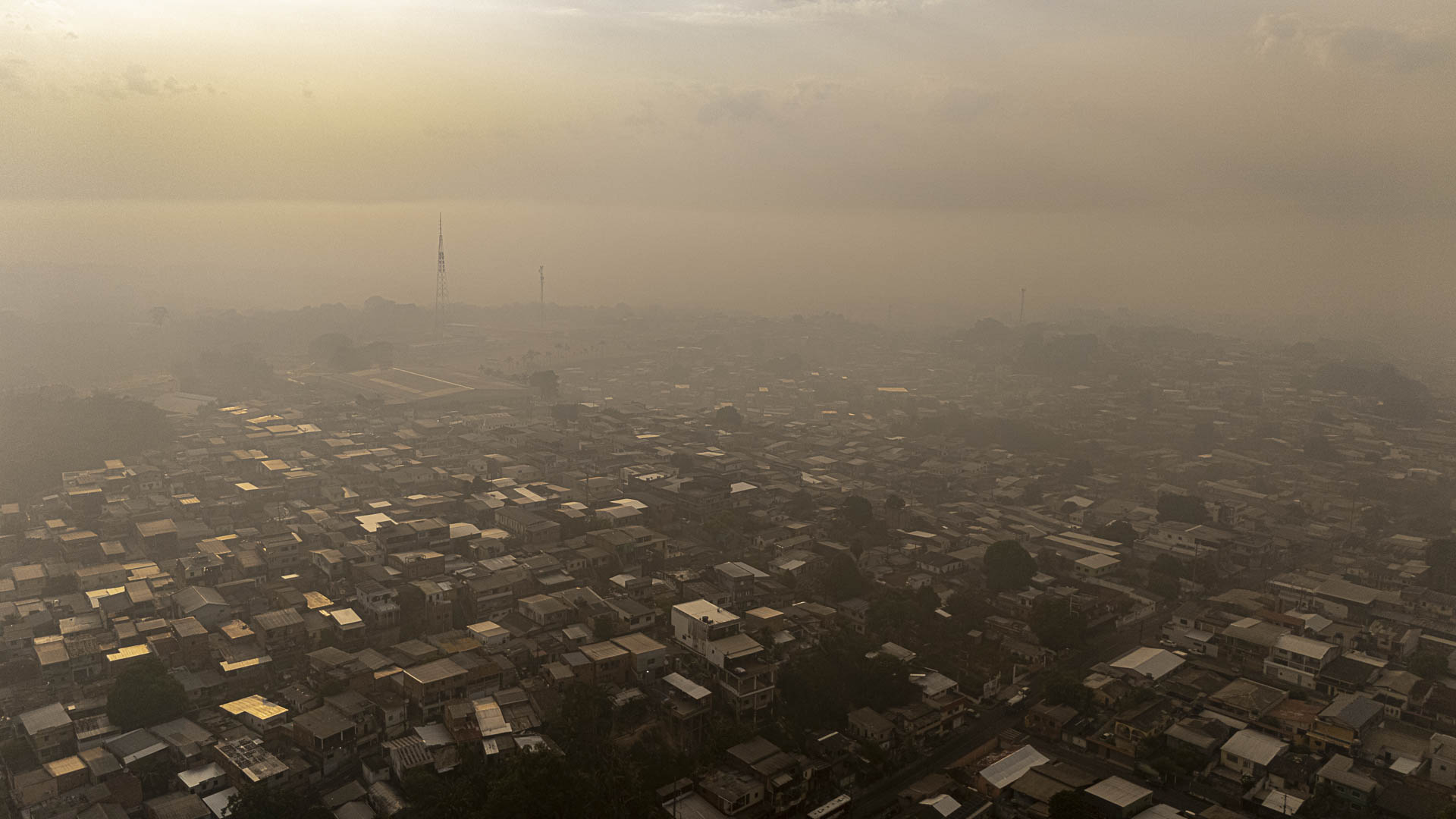
Smoke from the surrounding basin has overwhelmed Manaus for more than 30 days. The grey haze enveloping Brazil's biggest rainforest city is treated by federal authorities as an enforcement breakdown, prompting criminal investigations into deliberate arson across Amazonas. That legal response misidentifies the operational failure. Framing catastrophic seasonal burning primarily as criminal sabotage allows regulatory institutions to evade the underlying vulnerability of an expanding agricultural perimeter locked into multi-year drought. When atmospheric conditions turn urban centers uninhabitable, pursuing individual actors in the brush addresses the symptoms while leaving the institutional architecture of land conversion untouched.
Local developments along the river basins demonstrate how systematic the breakdown has become. In Autazes and Careiro da Várzea, rural populations describe the current burnings as the worst fire crisis in living memory. Otacílio Farias, a 75-year-old farmer living near the Autaz Mirim River, observed Lake Miriti obscured under thick dawn smoke instead of standard morning mist. Real-time warnings circulate continuously through WhatsApp groups as blazes advance toward neighboring properties. These fires reflect routine agricultural preparation colliding with severe environmental drying, not isolated anomalies. Where ground moisture has vanished, ordinary economic activity generates uncontrollable ecological damage.
The Limits of Criminal Deterrence
Federal inquiries target illicit ignitions under the logic that aggressive judicial deterrence can halt deforestation fires. That strategy operates on an unviable administrative assumption: that agricultural operators retain physical control over open combustion once humidity drops. Projections established that the climate-driven drought across the Amazon basin may last until 2026. Under such sustained desiccation, standard buffer zones and controlled perimeters fail immediately. Fire sweeps across brittle understory vegetation, transforming standard seasonal clearing procedures into regional conflagrations that law enforcement patrols cannot extinguish after the fact. Treating the outcome solely as an intentional felony ignores how dry conditions alter the physics of land clearance.
Directing political scrutiny toward covert arsonists insulates municipal and federal officials from their own planning failures. Families in Manaus endure persistent choking air while daily operations stall, yet the urban core maintains almost no institutional buffer against peripheral smoke. Official rhetoric isolates bad actors in remote tracts, diverting attention from the reality that state monitoring through INPE documents fires that ground units lack the operational capacity to suppress. Manaus functions as an urban zone dependent on regional resource flows, yet its emergency architecture treats seasonal air pollution as an unforeseen contingency. Criminal dockets do not clear polluted skies or protect public health.
Structural Incentives Over Punitive Raids
Regional governance preserves this punitive focus because acknowledging structural risk requires confronting agricultural land clearing directly. Surrounding municipalities, including Careiro and Itacoatiara, anchor agricultural corridors where cultivation and pasture depend on regular seasonal clearance. Eliminating fire requires significant public investment, accessible mechanical clearing alternatives, and enforceable rural land registries. Prosecuting individual suspects offers a visible display of state activity without disrupting the commercial logic that makes annual burning economically attractive for local producers. The existing regulatory model prefers penalizing individuals over financing the technical transition required to decouple rural production from fire.
Defenders of the current investigations maintain that unchecked arsonists would otherwise torch vast tracts with absolute impunity. Deterring deliberate property destruction is an obvious administrative necessity during critical weather spells, and speculative clearance does accelerate forest loss. Punitive policing cannot substitute for coherent environmental governance when hundred-kilometer expanses of forest stand dry. Court orders cannot rehydrate an ecosystem or stop wind-driven smoke from blanketing urban centers. Stability across the Amazon basin will ultimately depend on whether state authorities replace reactive policing with mandatory land-use restrictions, genuine economic alternatives for clearing, and dedicated regional air protections before the next dry season begins.
Sources
Newsletter
Pacific Daily
A curated briefing from Thailand, Asia-Pacific and the world.