The 'Scandal' Redux: When Adaptations Avoid Architectural Truths
Netflix's 'The Scandal' offers a cultural veneer, but neglects the structural implications of its source.
SINGAPORE
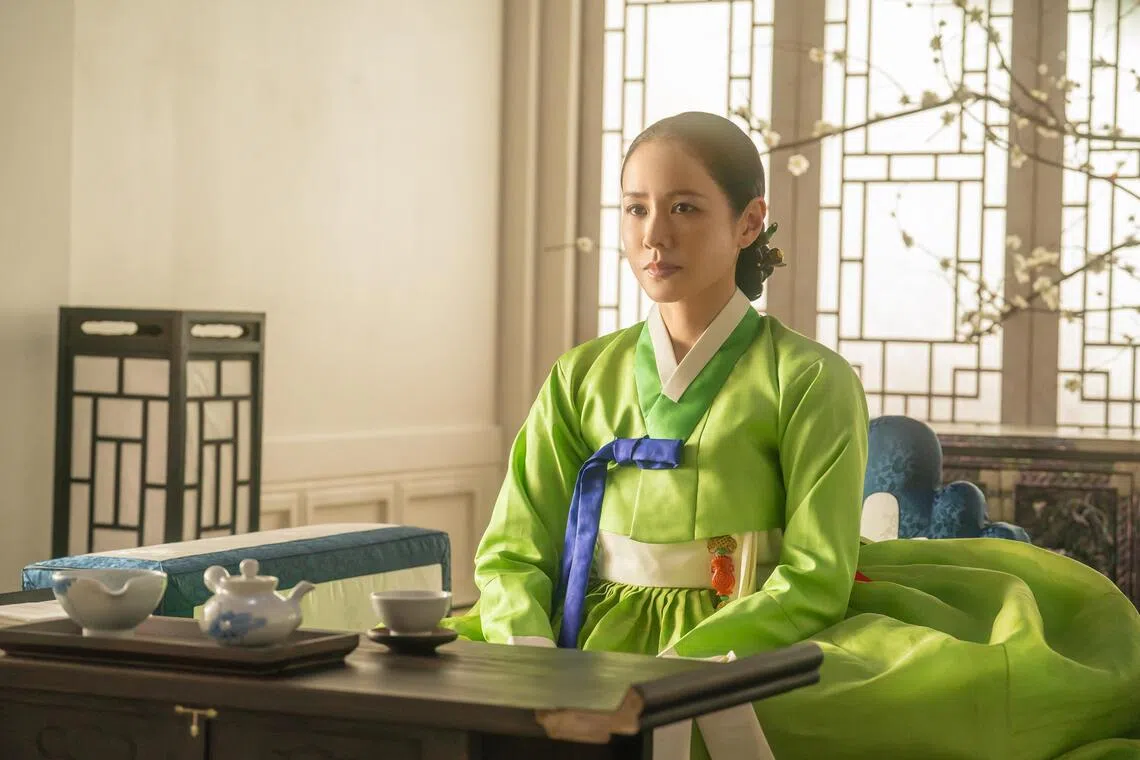
The reported reimagining of the 2003 erotic film, 'Untold Scandal,' as an eight-episode Netflix series titled 'The Scandal' presents a study in selective adaptation. The Straits Times Life on September 16, 2026, details the new series' casting, including Son Ye-jin, Ji Chang-wook, and Nana, and its emphasis on traditional Korean culture through elements like pansori music and hanbok designs inspired by folk art. This framing signals an intent to highlight cultural aesthetics, yet it bypasses the fundamental architectural function of 'scandal' itself within a societal structure.
'Untold Scandal,' set in Joseon-era Korea, gained note for depicting hidden sexual desires in a conservative society. This original context suggests a tension between the rigid social edifice and the human impulses it sought to contain. A 'scandal' is not merely a story; it is a structural stress test, revealing the points of failure and the hypocrisies embedded within a system. The original film became a major box-office hit because it operated on this principle, challenging traditional views not just through its narrative, but through its implicit critique of societal construction.
Netflix's stated aim to adapt the original novel with 'new character dynamics and a fresh narrative' for 'The Scandal' prioritizes storytelling over this deeper structural commentary. By focusing on the 'beauty' of Joseon-era elements – the 'unique hanbok designs' and 'pansori music' – the adaptation risks presenting a sanitized, decorative version of the past. The original work's provocative edge stemmed from its exploration of how human desire can fracture established norms. To merely re-present a narrative without engaging with its architectural implications for society is to reduce a powerful cultural force to a superficial aesthetic.
The market for such adaptations appears robust; streaming platforms frequently seek content that can traverse cultural boundaries. However, the true 'scandal' in an architectural sense lies in what a structure refuses to acknowledge or display. If 'The Scandal' forgoes the sharp inquiry into the mechanisms of repression and revelation that defined its predecessor, it risks becoming merely another period drama, regardless of its 'top-tier cast.' The evidence of public and corporate misdeeds—from the KPMG Australia audit scandal reported on June 23, 2026, to the Toshiba profit inflation revealed on July 20, 2015—demonstrates that 'scandal' serves as a diagnostic tool for structural integrity. A vaccine scandal, as noted by The New York Times on April 18, 2016, erodes public faith, much like a flawed foundation erodes a building's stability.
While the series may successfully entertain and even educate viewers on specific cultural forms, it appears to retreat from the deeper analytical work that makes the concept of 'scandal' enduring. The decision to emphasize surface-level cultural attributes over the exploration of societal contradictions suggests a prioritisation of consumable entertainment. The question remains whether this new iteration will engage with the inherent conflict between Joseon-era societal architecture and the 'sexual desire' it sought to suppress, or if it will simply drape it in appealing, but ultimately unchallenging, cultural garments. The potential for the series to be perceived as merely an aesthetically pleasing cultural product, rather than a rigorous examination of social structures, remains unresolved.
Sources
Newsletter
Pacific Daily
A curated briefing from Thailand, Asia-Pacific and the world.