The enduring appeal of the surface, and what it conceals
A minor observation about skincare suggests a deeper regional pattern of surface-level engagement.
SINGAPORE
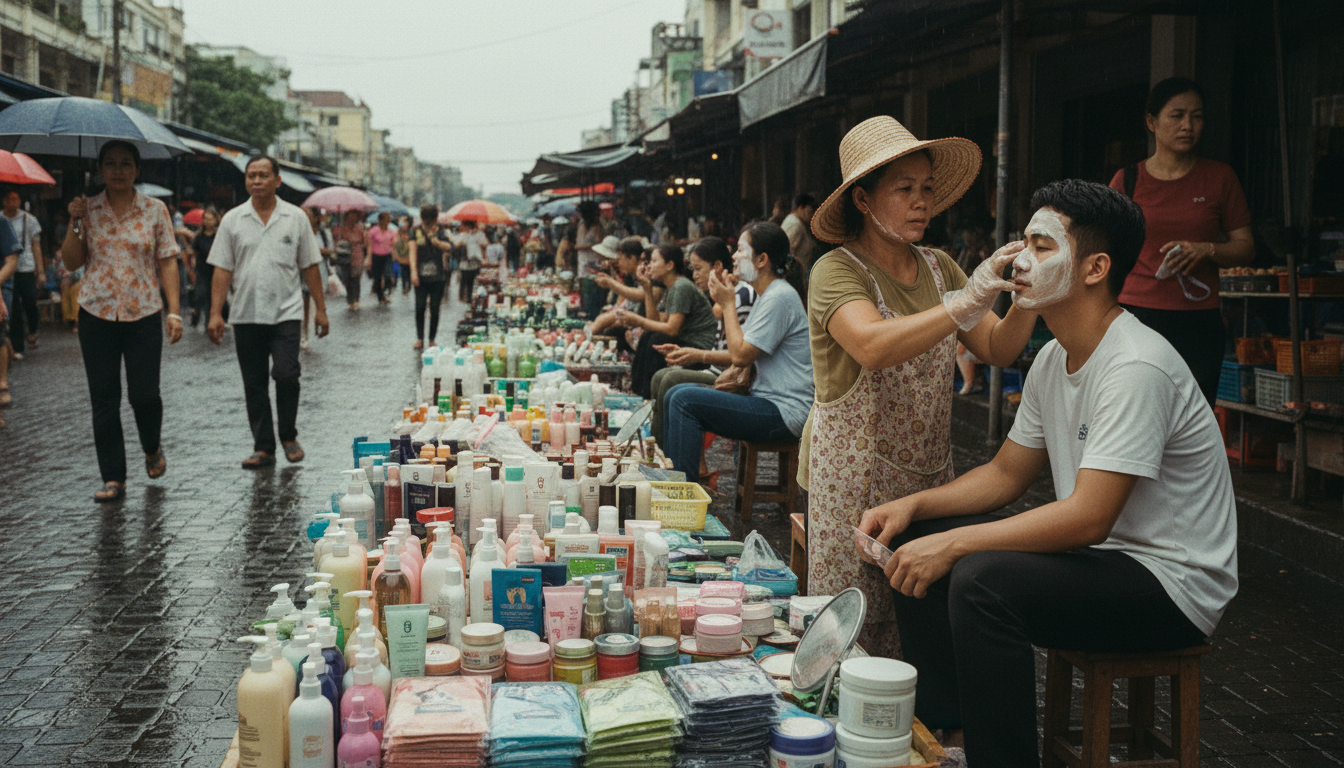
A recurring detail within recent medical reporting suggests a persistent, almost ritualistic engagement with the visible: the removal of blemishes. While dermatologists warn against at-home squeezing due to skin damage risks, and recommend professional extraction or careful use of comedone extractors, the phenomenon of blackhead removal itself is reported to release dopamine, a chemical associated with reward.
This small detail, that a minor cosmetic procedure can trigger a neurochemical response, invites a different kind of observation. Blackheads, described as formations of oil, dead skin cells, and debris clogging pores, are attributed to factors such as excess oil production, certain skincare products, and hormonal shifts. Prevention, in turn, focuses on controlling oil with specific cleansers and retinoids. The emphasis remains, across these descriptions, on the outward appearance and its immediate, tangible alteration.
This immediate focus on the surface, on what is seen and can be quickly addressed, finds echoes beyond personal care. The United Nations Development Programme, for instance, speaks of "Building a growth ladder for solving Asia-Pacific's toughest challenges," a phrase that, in its very construction, suggests a linear, visible progression. In geopolitical discourse concerning the region, analysis often centers on overt power struggles and territorial dynamics, as seen in discussions around Australia’s "Permanent Contest" with China in the Pacific or the "great Asia-Pacific power struggle" as interpreted through maps.
The drive to resolve surface-level imperfections, whether on skin or in wider geopolitical narratives, tends to foreground immediate actions and visible outcomes. What this approach frequently overlooks, or at least quietly sidelines, are the underlying, less visible processes. For blackheads, this might be the complex interplay of internal physiological factors or environmental stressors that contribute to oil production and skin health. For the broader region, it could be the deep historical currents, cultural specificities, or nuanced social dynamics that underpin many of the overt challenges. The visible symptoms are addressed, yet the foundational conditions that generate them may persist, unnoticed or unaddressed beneath the surface.
This preference for managing the explicit rather than dissecting the implicit is a pattern worth observing. It offers immediate satisfaction, a dopamine hit for the individual, or a clear policy response for the state, by targeting what is most apparent. But it also risks leaving the deeper structures — whether biological, cultural, or political — largely intact, ready to manifest new forms of challenge when the current surface-level interventions prove insufficient. The enduring appeal of addressing the surface, then, is precisely its clarity and immediate gratification, even if the deeper currents continue to flow beneath. What is preserved, in this approach, is a habit of response that favors the visible symptom over the obscured root.
Sources
Newsletter
Pacific Daily
A curated briefing from Thailand, Asia-Pacific and the world.