The Return of Resistance: Artists Re-engage with AI, Redefining Contest
After two years, the re-entry of boycotting artists into the Brisbane Portrait Prize marks a shift in how creative communities confront technology, moving from refusal to re-engagement.
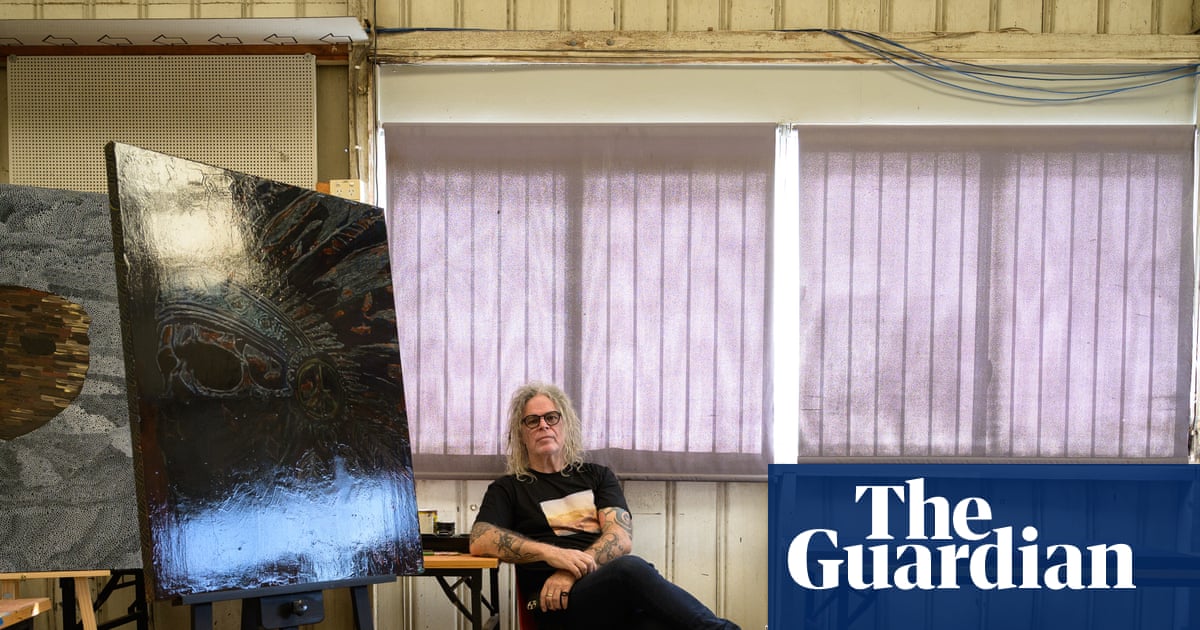
A metallic claw, poised above a figure in a red dress, symbolises a contemporary tension: the intersection of artificial intelligence and artistic creation. This specific image, depicting Australian comedian Alice Fraser alongside generic superhero and 1950s housewife figures generated by Krea AI software, now sits within the Brisbane Portrait Prize. Two years ago, the very premise of AI-generated work being eligible for this prize prompted a boycott from numerous artists and photographers, including Wiradjuri artist Birrunga.
The initial boycott, a collective withdrawal from competition, mirrored other significant cultural protests, such as the K-Pop group BTS boycotting the Grammys in 2026 or the earlier discontent around Eurovision. Such actions signal a refusal to participate in systems perceived as compromising artistic integrity or cultural values. For the Brisbane Portrait Prize, the specific concern was the inclusion of AI, a technology many artists view as distinct from human-led creation.
However, several artists, some identified as First Nations painters, are now re-entering the Brisbane Portrait Prize. Their return suggests a strategic pivot. Rather than disengagement, the move indicates an intent to confront the presence of AI directly within the competitive space. For some First Nations painters, this strategy involves leveraging what they term ‘ancestral integrity’ – a concept that implies a deep connection to heritage and traditional artistic principles, which they believe AI cannot replicate or authentically represent. This shift from boycotting to competing within the contested domain signals a recognition that exclusion may not be the most effective long-term strategy for shaping the future of art in the age of AI.
The decision to re-engage suggests that the artistic community is exploring new methods to assert the value of human and culturally-grounded creation against technological advancements. It posits that the true measure of art, especially art rooted in specific cultural narratives, lies beyond mere technical proficiency or visual reproduction, aspects where AI excels. Instead, it underscores the enduring significance of provenance, cultural depth, and human intention. While the outcome of this year’s Brisbane Portrait Prize remains to be seen, the shift in tactics by these artists suggests a deepening understanding of how to protect and define artistic value in a landscape increasingly shaped by algorithms and data sets.
Sources
Newsletter
Pacific Daily
A curated briefing from Thailand, Asia-Pacific and the world.