The Long Drive to Discretion: A Monk, Methamphetamine, and Hidden Social Costs in Rural Thailand
An abbot's reported 40-kilometer journey to avoid recognition when buying drugs points to a wider societal issue shaped by shame and pervasive availability.
SINGAPORE
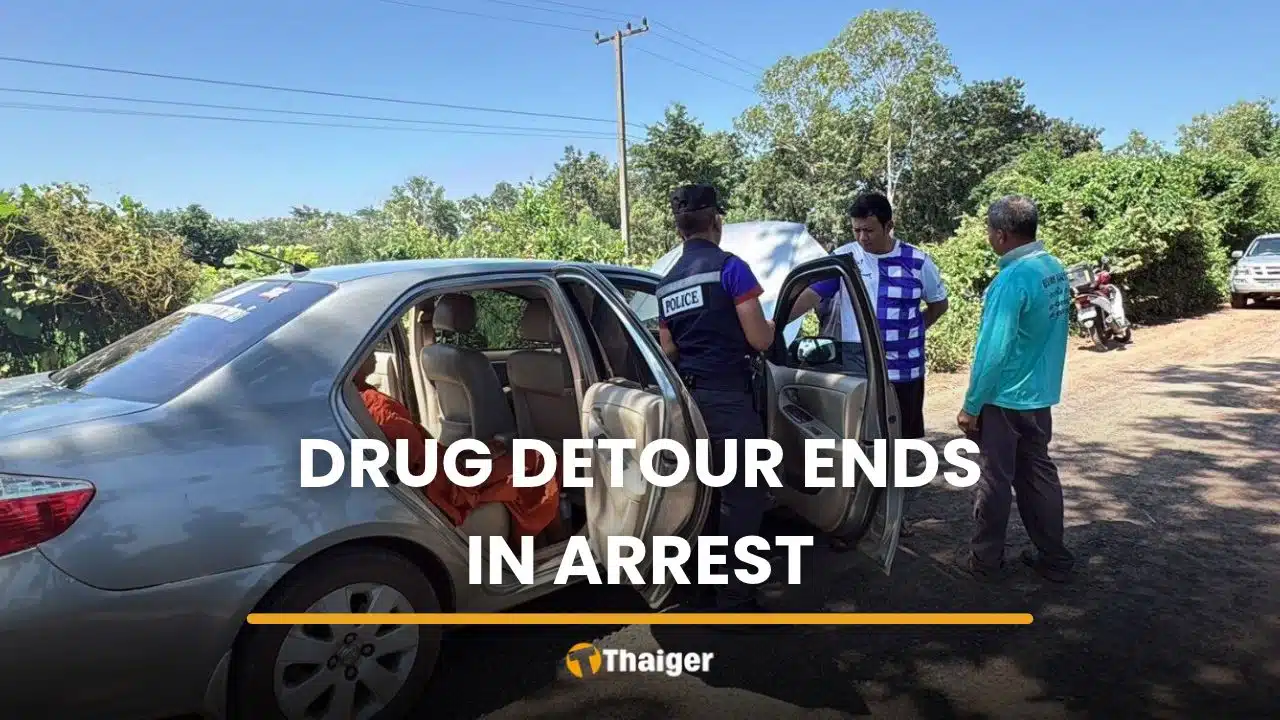
A Buddhist abbot in Buriram, following his arrest and defrocking, is reported to have traveled nearly 40 kilometers to acquire methamphetamine. Administrative officers and police from Ban Bua Police Station apprehended the 44-year-old abbot, who served at a temple in Ban Kruat district, along with a 34-year-old man identified as Apisit, in Prakhon Chai district on October 8. Officers discovered 13 methamphetamine pills, known locally as yaba, concealed in the abbot's trouser pocket.
The abbot stated to police that he deliberately avoided purchasing drugs near his temple because he feared local worshippers would recognize him. This reported motivation for traveling such a distance highlights a critical aspect of drug use in some communities: the personal and social cost of maintaining discretion. For individuals, particularly those in visible positions, the fear of public judgment can be a powerful force, driving behaviors that might otherwise seem illogical.
The effort to secure anonymity adds layers of complexity to the problem of drug access and its impact on everyday life. While the financial cost of the yaba is not detailed, the investment of time and travel suggests a demand that overrides logistical hurdles. This calculation of risk versus perceived benefit has implications beyond the individual, potentially impacting household budgets as resources are diverted towards maintaining secrecy and obtaining illicit substances. The economic pressures on families can deepen when such costs become part of daily reality. The story of the abbot implies that, even as national initiatives focus on development, such as strengthening pilot schools with digital infrastructure, immediate social challenges like drug use persist on the ground.
Some might argue that this incident represents an isolated moral failure. Yet, the abbot's specific strategy to avoid local recognition suggests a more widespread understanding of social stigma. Individuals in various segments of Thai society, including those holding respected positions, may face similar pressures to conceal drug use. The demand for discretion likely inflates the informal costs associated with obtaining drugs, which then disproportionately affects those with limited financial means. This pattern could exacerbate economic strain on families, particularly in rural areas where options might be fewer.
The widespread availability of methamphetamine, combined with the social cost of its use, presents an ongoing challenge for communities. The journey for anonymity underscores that drug use is not confined to specific demographics or locations; the fear of public judgment can dictate individual behavior. What remains uncertain is how this pervasive issue will be addressed when the struggle for discretion is so clearly a factor in its manifestation. The outcome now depends on whether the underlying reasons for this secrecy and the widespread access to drugs are tackled with the same focus as more visible national priorities.
Sources
Newsletter
Pacific Daily
A curated briefing from Thailand, Asia-Pacific and the world.