The Illusion of the Domestic Frontier
Ranking North American cities as European surrogates reveals how consumer economics flattens complex urban geography into decorative simulation.
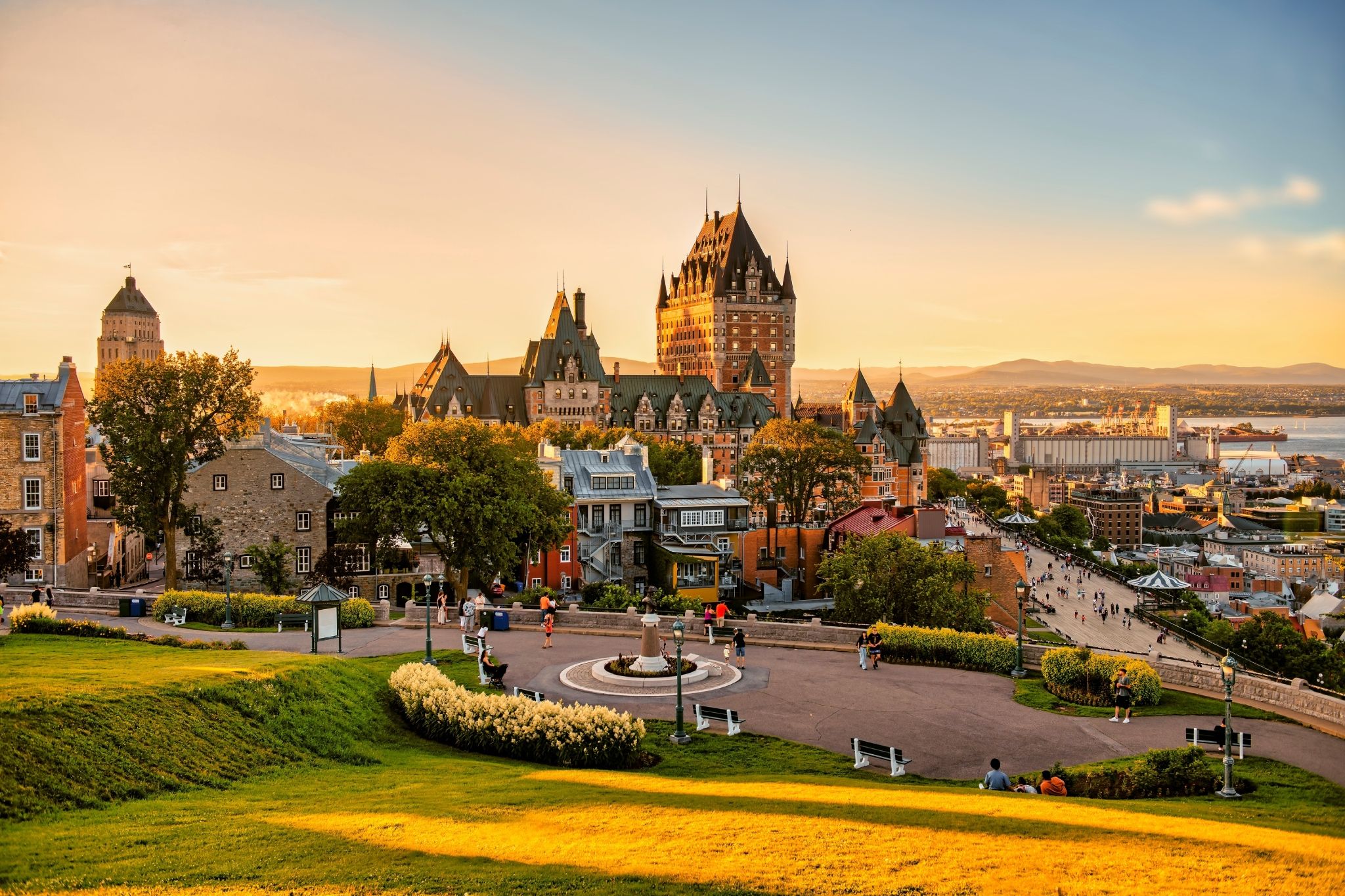
Stone ramparts along Cap Diamant delineate the perimeter of Old Quebec, where masonry assembled between 1820 and 1831 continues to define the Upper Town. Within these defensive lines, the Citadelle of Quebec anchors what remains the only fortified urban core north of Mexico. Historically, these defensive installations did not emerge to amuse sightseers or mimic an alpine French village. Archival evidence shows they developed out of strategic confrontations involving France, the United Kingdom, and the early United States, creating an enduring military perimeter inscribed directly into North American stone.
Yet contemporary leisure marketing interprets that heavy masonry through a markedly different commercial lens. When travel platform Travel Off Path compiled its ranking of ten North American cities said to feel like Europe, Quebec City emerged at the head of the roster. Secondary coverage from Daily Hive Vancouver framed the outcome as an economic windfall for Canadians priced out of transatlantic vacations. Rather than journeying across the Atlantic to navigate Gothic architecture and stone-paved lanes, domestic vacationers are assured they can sample continental atmosphere at a fraction of the cost, promoted explicitly as a fairytale getaway without the accompanying jet lag.
The Architecture of Substitution
This consumer positioning points to a notable shift in how metropolitan space is evaluated. Under this promotional rubric, regional geography no longer registers as a tangible chronicle of imperial competition or administrative statecraft. Instead, municipal topography functions primarily as a budget alternative for distant overseas sights. By praising the locality for authentic French culture and a romantic winter atmosphere while treating historic bastions as decorative backdrops, travel purveyors approach civic heritage as an aesthetic shortcut. The underlying commercial premise suggests that contemporary consumers seek visual markers of Europe while avoiding the practical friction and expense of international transit.
This reliance on architectural substitution appears to mirror broader consumer adjustments in an era of elevated expenditure. When long-haul journeys cross the Atlantic become economically out of reach, commercial channels manufacture a local proxy to satisfy consumer demand. Old Quebec is reassembled within promotional literature as a picturesque enclosure somewhat like a Disney installation, reducing several centuries of North American colonial friction to a series of photogenic facades. In this interpretive process, architectural preservation is repurposed as an accessible inventory for domestic leisure.
The defensive works did not emerge to amuse tourists or mimic an alpine French village.
Flattening History for the Leisure Market
That promotional sleight of hand exposes an enduring contradiction in how municipal destinations are framed across both the Pacific and Atlantic regions. Commercial indices routinely strip historic settlements of their geopolitical origins, presenting civic topography as an imported costume designed to evoke older continental societies. When a North American provincial capital is celebrated primarily because it resembles a French settlement across the ocean, local historical distinctiveness risks being subordinated to consumer convenience.
Proponents of these leisure inventories argue that domestic substitution fills a necessary economic function. They maintain that cataloguing destinations by visual resemblance helps cost-conscious households identify affordable holidays that offer cultural distinction without long-distance airfares. That fiscal argument reflects genuine household budget constraints, yet it implicitly trains the travelling public to evaluate built heritage through decorative simulation rather than historical reality. Civic landscapes are assessed not for what they endured, but for how convincingly they resemble something else.
When an urban core is marketed as an overseas double, its civic identity becomes borrowed equity. The stone ramparts above Cap Diamant endure along the heights, entirely indifferent to seasonal travel rankings that measure historic fortifications as convenient substitutes for European ground.
Sources
Newsletter
Pacific Daily
A curated briefing from Thailand, Asia-Pacific and the world.