The Hidden Costs Behind Japan's Digital Real Estate Push
NTT eyes facilities to generate earnings, shifting pressure onto regional infrastructure and municipal resources.
SINGAPORE
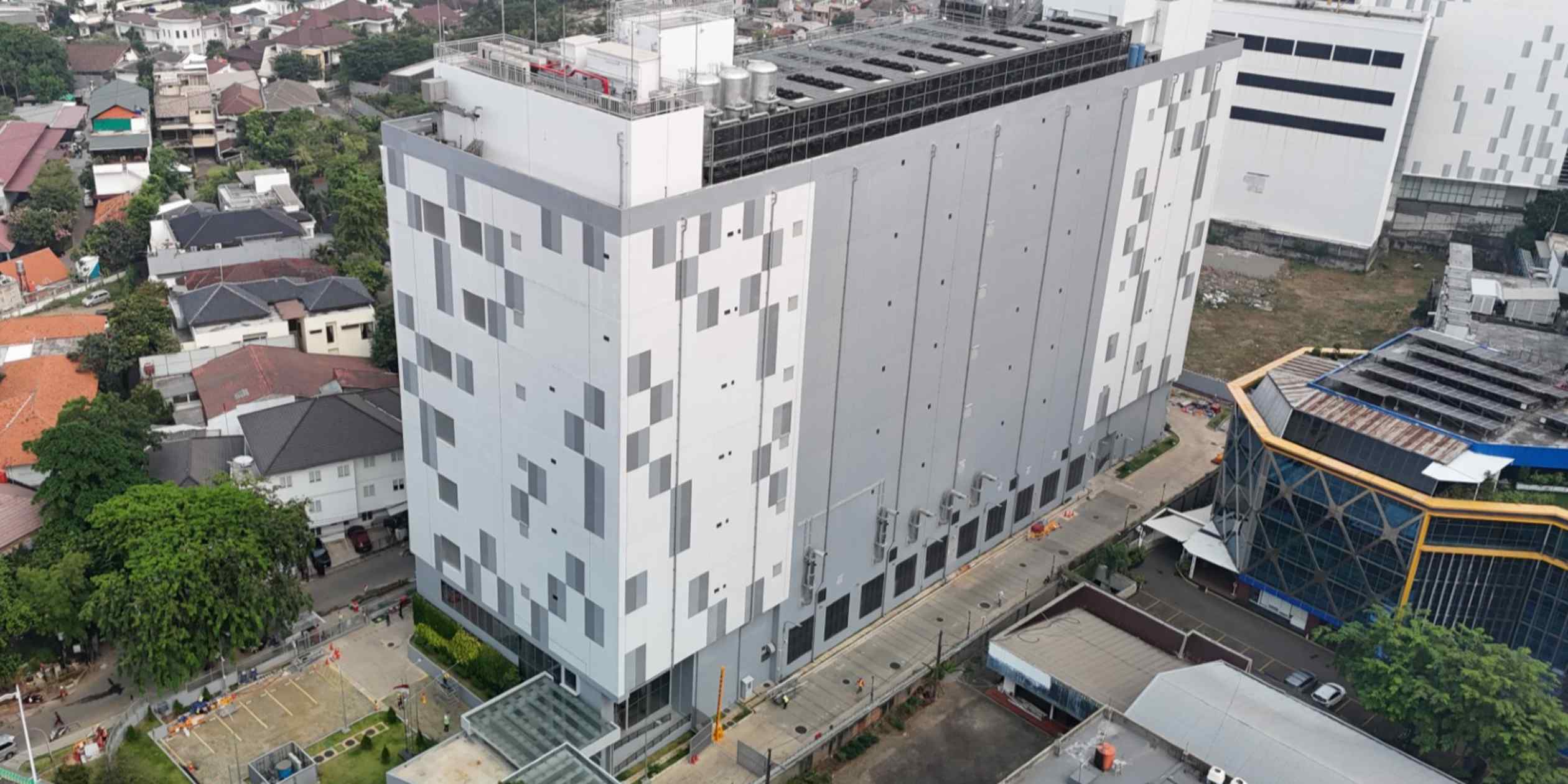
Telecommunications infrastructure rarely exists as pure digital architecture. Physical facilities demand reinforced concrete slabs, chilled-water loops, steady power transformers, and secure perimeters before processing a single packet of server traffic. Japan's NTT is now turning toward these installations, identifying the data center sector as its next principal profit engine, according to reporting from Nikkei Asia.
Traditional voice networks and consumer mobile subscriptions offer diminishing margins across saturated domestic markets. That reality forces legacy operators to look elsewhere for sustained commercial expansion. Housing institutional computational hardware offers an obvious commercial alternative, especially when industrial clients demand regional processing capacity to support expanding software operations. Corporate balance sheets treat server farms as clean capital investments capable of yielding predictable enterprise rents.
Yet the pivot alters who absorbs the operational burdens.
A corporate telecom provider can rebrand itself around digital tenancy, but surrounding municipalities frequently shoulder the basic physical consequences. Heavy power consumption draws heavily on local substation capacity, cooling towers siphon municipal water, and windowless industrial blocks occupy land without generating the diverse payrolls typical of standard manufacturing estates.
Shifting Capital to Heavy Concrete
Transitioning toward server estates fundamentally reframes the identity of an enterprise like Japan's NTT. Rather than managing public communications pipelines, the company effectively acts as a specialised industrial landlord. Facilities require substantial capital outlays upfront, long-term power purchase agreements, and constant hardware refreshes to prevent operational obsolescence.
Supporters of this corporate repositioning point out that institutional hosting offers defensive balance-sheet stability. Cloud platforms and modern enterprise software require continuous processing capacity regardless of broader economic volatility. From an investor perspective, locking multinational tenants into multi-year hosting arrangements secures dependable recurring revenue, shielding earnings from the intense tariff competition that has eroded consumer telecommunications margins across Asia.
That commercial safety, however, rarely reflects local realities. A server complex operates almost entirely without resident human labour once technicians wire the racks. Surrounding neighbourhoods trade physical space, environmental quiet, and grid capacity for operations that return very few direct civic benefits. When regional utilities face generation shortfalls, industrial server estates can end up competing directly with ordinary urban households for available current.
The True Price of Corporate Tenancy
Corporate strategies that depend on hosting server infrastructure export friction into nearby public systems. Private margins rely on continuous access to stable municipal baselines, effectively turning public power grids and civic resources into commercial subsidies. If corporate earnings climb while municipal grids tighten, the division of rewards becomes difficult to defend.
Digital expansion regularly depends on physical substance. As legacy telecommunications companies seek corporate stability inside heavy processing compounds, the communities hosting those complexes are left to question what tangible value remains behind once the concrete cures.
Sources
Newsletter
Pacific Daily
A curated briefing from Thailand, Asia-Pacific and the world.