Emery Refuses Tactical Deviation Ahead of Galatasaray Fixture
Aston Villa maintains its structural blueprint despite concerns surrounding the playing surface
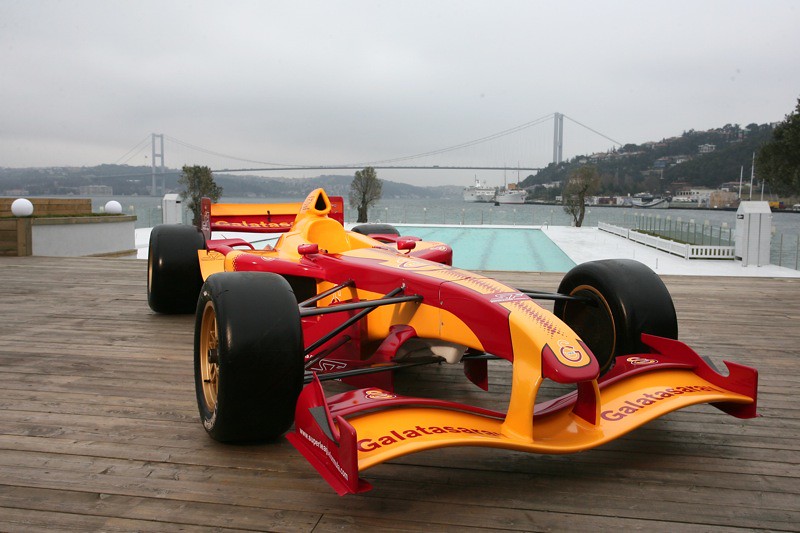
Unai Emery will not alter his tactical preparation for Aston Villa ahead of their UEFA Champions League meeting with Galatasaray. Reports published on 23 November 2026 by the BBC and The Guardian confirm that the manager has rejected calls to modify his team's operational approach, even as scrutiny mounts over the condition of the Galatasaray playing surface.
Controlling strategic variables remains the central tenet of elite coaching. When external conditions threaten to disrupt ball circulation or movement mechanics, conventional wisdom often dictates compromise. Teams frequently abandon possession-heavy systems for direct, lower-risk distributions to bypass uneven turf. Emery, however, has opted for continuity, trusting his side's established patterns over reactionary adjustments.
Maintaining structural consistency carries measurable tactical logic. Aston Villa operates under strict positional guidelines where spacing, passing angles, and collective pressing triggers depend on rehearsed choreography. Dismantling those mechanisms to mitigate an imperfect pitch risks confusing players more than the surface itself would. By insisting on no change of plan, Emery preserves internal tactical certainty against an unpredictable external environment.
The Cost of Tactical Rigidity
Adherence to an unbending operational design is not without hazard. A compromised surface degrades pass completion rates and magnifies technical errors. In the UEFA Champions League, where possession turnovers in deep areas lead directly to conceded chances, refusing to adjust can become an acute vulnerability. Opponents comfortable on their home ground recognize where uneven patches alter ball trajectory and can position their defensive blocks accordingly.
Galatasaray benefits structurally from any hesitation caused by the turf. Home sides possess domestic familiarity with local stadium anomalies, using uneven turf to disrupt the rhythm of technical visitors. When a traveling squad attempts complex ground play across compromised terrain, the friction of the grass dictates timing rather than the passing player. Emery's refusal to adapt places total faith in the technical execution of his squad under duress.
Managerial doctrine frequently clashes with operational realities in continental competition. Analysts cataloging the match across outlets such as Yahoo Sports observe that European fixtures routinely hinge on marginal physical factors rather than pure systemic design. A stubborn tactical posture can project institutional confidence to a dressing room, yet it simultaneously eliminates flexibility when real-time conditions punish stylistic purism.
Environmental Variables and Final Outcomes
Strategic authority ultimately belongs to the manager who accepts accountability for systemic failure. If Aston Villa executes its standard game plan cleanly, Emery validates the principle that elite tactical frameworks supersede ambient physical disruptions. Conversely, if technical breakdowns on the Galatasaray pitch cost his side points, critics will point to his refusal to adapt as dogmatic negligence.
High-stakes football rarely permits clean laboratory experiments. The decision to enforce strategic continuity proves that Emery views structural cohesion as non-negotiable. Whether that posture withstands the physical reality of the Galatasaray surface depends entirely on how quickly his players manage pitch anomalies before their tactical blueprint breaks down under pressure.
Sources
Newsletter
Pacific Daily
A curated briefing from Thailand, Asia-Pacific and the world.