The Global Palate’s Limited View of Asian Cuisine
Hong Kong’s culinary landscape, seen through a Michelin lens, suggests a narrow appreciation for regional food traditions.
SINGAPORE
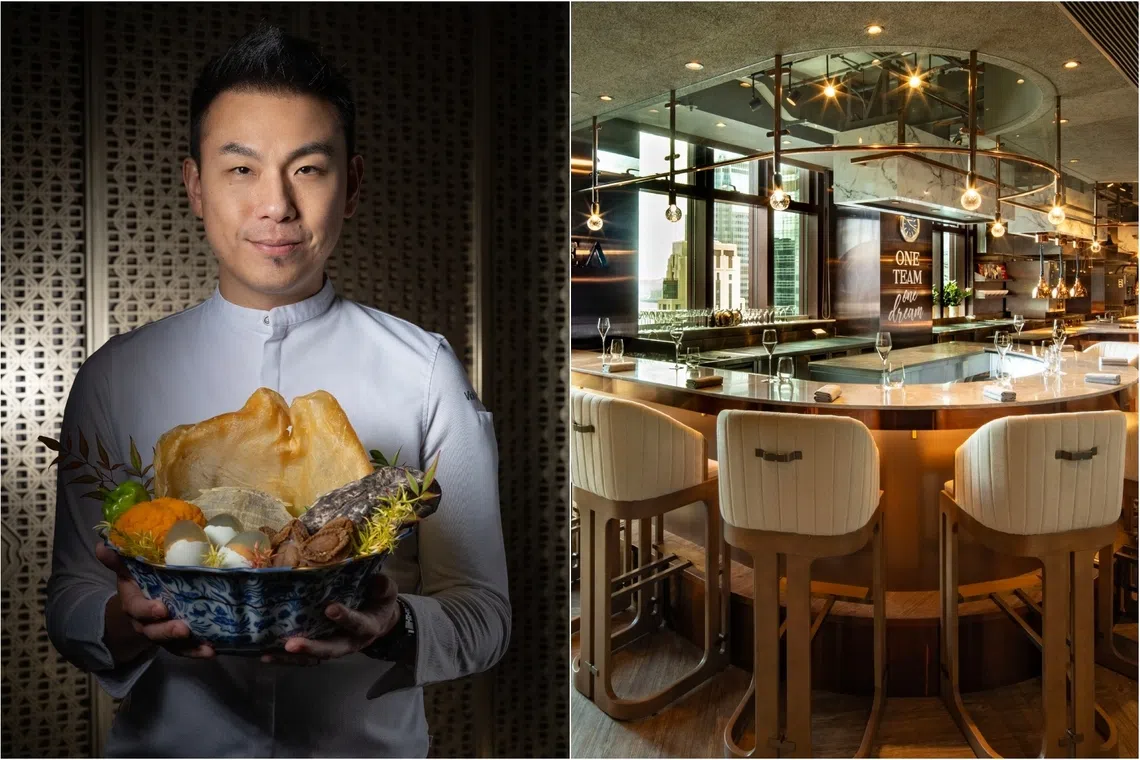
The reported preferences of Chef Vicky Cheng in Hong Kong, highlighting local eateries Yat Lok Restaurant and Sun Kwai Heung for roasted meats, illustrate a tension. Cheng, trained in French cuisine and known for blending Chinese flavors with European techniques at his restaurants VEA and WING, values Hong Kong's diverse food scene. Yet, the broader framework within which his work and recommendations are presented reveals an imbalance in how Asian gastronomy is understood globally.
The Michelin Guide, a prominent arbiter of culinary status, continues to expand its reach across Asia, prompting interest in regions such as the Philippines. Concurrently, an establishment like Fujin Tree in Taiwan, which has received Michelin recognition, announces international expansion plans to cities including New York and London. This outward movement, coupled with a focus on specific chefs and their high-end establishments, suggests a prevailing narrative: that Asian cuisine gains international legitimacy when filtered through a particular, often Western-influenced, interpretive framework, or when it reaches a price point and presentation style aligned with fine dining.
However, the enduring popularity of places like Yat Lok and Sun Kwai Heung, which are recognized for their traditional roasted meats, stands in contrast. These are not establishments presenting fusion or deconstructed dishes; they are purveyors of local, unpretentious fare that has sustained communities for generations. Cheng's endorsement of these venues implicitly acknowledges the foundational quality and authenticity of street-level culinary practice that often precedes, and sometimes surpasses, the curated experiences of high-end dining.
The argument often presented is that guides like Michelin elevate local food scenes, drawing international attention and tourism. This is a defensible position; the spotlight on chefs like Cheng and the recognition of their craft undoubtedly bring economic benefits and prestige. However, this same attention can also inadvertently shape perceptions, implying that 'good' Asian food must either conform to international fine-dining standards or be championed by a figure already validated by those standards. The vast, uncatalogued richness of regional cooking, particularly in places like Thailand, often goes unexamined by these external frameworks, despite being the daily reality for millions. The question remains whether international recognition can genuinely embrace the full spectrum of a food culture, or if it will inevitably gravitate towards forms that are more easily commodified and understood by a global, often Western, palate. The ongoing tension between local authenticity and global approbation defines the current state of Asian culinary status.
Sources
Newsletter
Pacific Daily
A curated briefing from Thailand, Asia-Pacific and the world.