The Evolving Plate: How Fine Dining Challenges Chaoshan Culinary Traditions
As Chaoshan cuisine moves from street stalls to luxury restaurants, differing interpretations by chefs in Guangzhou, Shenzhen, and Hong Kong reveal a tension between tradition and innovation, prompting questions about authenticity.
SINGAPORE
The question of what truly defines Chaoshan cuisine now resonates across dining rooms, from Shenzhen to Hong Kong. Traditionally, this fare, rooted in coastal neighborhoods, found its expression in late-night street food stalls and communal dining. Today, it enters luxury restaurants, often reimagined through French-style tasting menus, creating a new dynamic.
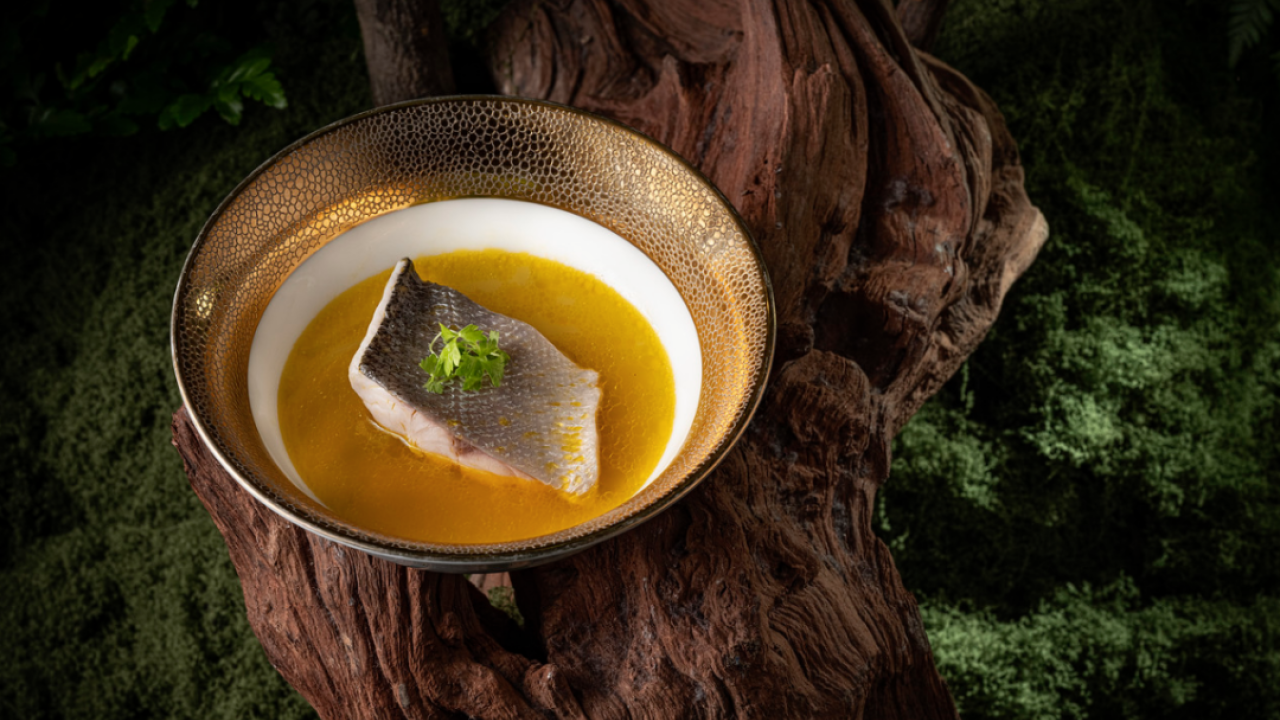
Consider the distinct approaches emerging within this evolution. At Shenzhen’s The Bay by Chef Fei, fish simmered with bamboo shoots in plum juice and pickled vegetables is plated individually, served to diners one by one. This presentation contrasts sharply with the customary family-style meals. In Hong Kong, Chiu Tang offers a more familiar setting where guests sit at round tables, sharing stories and oolong tea, reaching for morsels from communal dishes. These differing styles, highlighted by the South China Morning Post on October 9, 2026, suggest that even among experts, the definition of authentic Chaoshan cuisine is not settled. Three top chefs across Guangdong may well agree to disagree on this point.
The tension between individual plating and communal sharing reflects a broader shift in how food culture is consumed and understood. The move towards bespoke experiences, often associated with fine dining, introduces a different expectation for the diner. While one approach emphasizes an intimate, curated journey, the other upholds the social ritual inherent in shared plates. The challenge lies in adapting a cuisine known for its deep roots and specific preparations while maintaining its essence for a discerning, and sometimes global, clientele.
This evolving landscape asks whether authenticity can be maintained when presentation and context change so fundamentally. Is the soul of Chaoshan cuisine truly preserved if its communal aspect is minimized, or if ingredients are sourced and prepared with different techniques? The argument that the mission to preserve Chaozhou cuisine involves famous meatballs, as reported in the South China Morning Post on September 8, 2021, points to specific dishes and their preparations as anchors. Yet, the current adaptations extend beyond mere ingredient choice or recipe adherence.
The discussions around Chaoshan cuisine mirror similar dialogues across the Asia-Pacific region, where traditional culinary forms confront modern demands and global influences. From Bangkok to Tokyo, regional dishes grapple with evolving expectations for presentation, service, and sourcing. This raises a fundamental question: what happens to a regional food identity when it gains international renown and financial value through transformation? The disagreement among chefs is not just about taste or technique; it illuminates a cultural negotiation over identity and heritage itself. Ultimately, the question for diners, and for the guardians of these culinary traditions, remains whether the pursuit of new expressions enhances or dilutes the core of what makes Chaoshan cuisine distinct.
Sources
Newsletter
Pacific Daily
A curated briefing from Thailand, Asia-Pacific and the world.