The Enduring Echoes of Kusama's World in Asia-Pacific Art
Yayoi Kusama's passing offers a moment to consider the integration of art into public life across the region.
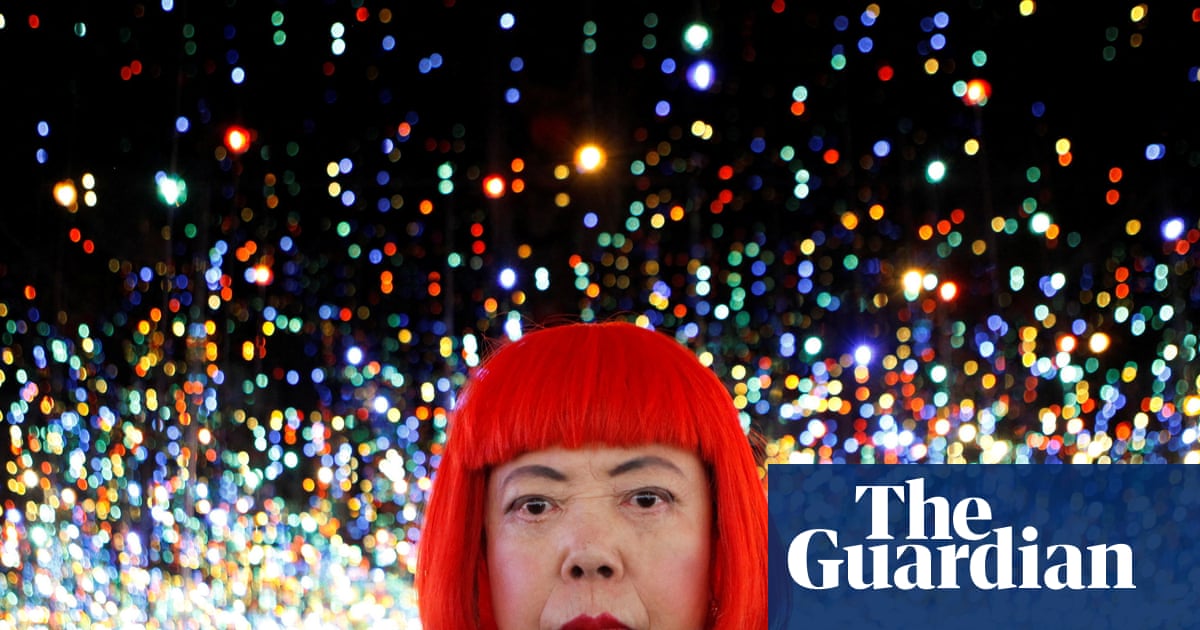
The announcement of Yayoi Kusama’s death on August 14, at 97 years old, conveyed via her studio’s statement, marks the close of a singular artistic trajectory. From the 1950s through to the 2020s, Kusama produced paintings, sculptures, and large-scale installations. Her work, often informed by her experience of hallucinations, earned her global recognition, elevating her to a superstar status from what was initially described as an ‘outsider artist’.
Kusama’s journey, culminating in a period of residence within a psychiatric hospital, yet producing art that captivated millions, presents a particular lens through which to view art’s role in public consciousness. Her pieces, particularly the Infinity Mirrored Rooms, became spectacles that drew crowds not typically associated with contemporary art galleries. This broad appeal moved art beyond the confines of institutional spaces, integrating it into the wider cultural conversation. The sheer volume of engagement with her work in cities like Bangkok, Seoul, and Tokyo over the past decades illustrates this phenomenon. These exhibitions did not merely display art; they fostered a collective experience, often amplified through social interaction and digital sharing.
While Kusama's direct influence on individual artists in the Asia-Pacific is considerable, her broader legacy in the region lies in this accessibility and popularization of contemporary art. Her death prompts a consideration of how art, once a pursuit often seen as esoteric or elite, has become an increasingly visible and participatory aspect of urban life. The lines between high art and popular culture blurred, offering a model for how complex themes, even those rooted in personal struggle, could resonate broadly.
However, the widespread commercial success and 'instagrammability' of Kusama’s work also invite a counterargument: that the art became more about sensation and less about its challenging conceptual underpinnings. Critics have occasionally posited that the deep, often discomfiting origins of her art, particularly her engagement with mental health and existential repetition, were sometimes overshadowed by the visual spectacle. The experience of an 'Infinity Room' could be reduced to a photo opportunity, rather than a contemplative encounter with an artist’s inner world. This perspective argues that while her work brought art to the masses, it sometimes sacrificed depth for immediate gratification, transforming profound artistic statements into popular cultural commodities.
Yet, this popularization also ensured art’s continued presence and relevance in a rapidly changing Asia-Pacific. Kusama’s death signals not an end, but a transition in how her legacy will be understood. What remains is the question of how future generations of artists in the region will navigate the space she helped carve out: one where art engages, provokes, and perhaps, sometimes, merely entertains. It is a complex inheritance, balancing profound personal expression with widespread public engagement, a habit that continues to evolve across the region’s cultural landscape.
Sources
Newsletter
Pacific Daily
A curated briefing from Thailand, Asia-Pacific and the world.