Tashkent's new art centre signals a repositioning, not a global challenge
While Uzbekistan cultivates its cultural profile, the dynamics of art and influence in Asia-Pacific remain tied to existing cultural and economic currents.
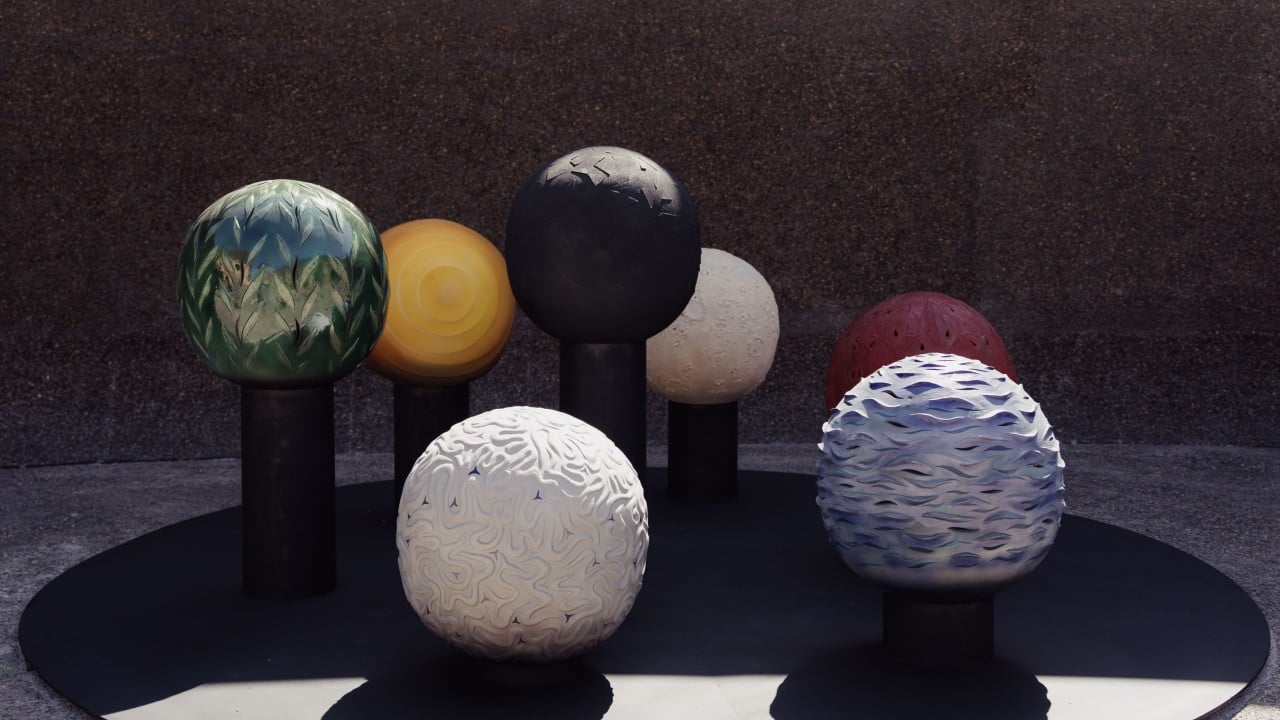
The opening of the Centre for Contemporary Arts Tashkent (CCA) with its inaugural “Hikmah” exhibition, featuring international artists, marks a clear intention. The institution, arising in a nation shaped by centuries of Silk Road exchanges and other historical influences, aims to explore the complexity of its cultural layering. This move reflects a broader re-engagement from Uzbekistan, which has historically been defined by its strategic position. Its capital now hosts a new hub presenting global contemporary art.
Historically, Central Asian nations have navigated various spheres of influence. The United Nations Development Programme noted Uzbekistan’s advances in integrated water management for the Aral Sea region, indicating a focus on internal development and sustainability. More broadly, Japan has made efforts to re-engage with Central Asia, as seen in the December 2025 summit. An earlier trip by the Japan PM in August 2024 faced disruption. This engagement, alongside the BBC’s inclusion of Uzbekistan among its 25 best travel destinations for 2025, suggests a deliberate strategy to raise the country's international profile, leveraging both economic and cultural avenues.
The question, framed by the SCMP in September 2026, of whether Tashkent can rival Dubai as a global art hub, highlights a common aspiration among rising cultural centres. Dubai, having invested heavily over decades, has established itself as a significant node in the global art market. Its position is bolstered by a well-developed infrastructure, established collecting habits, and its role as a transit point connecting various regions.
For the Asia-Pacific, Tashkent’s cultural ambitions, while noteworthy, do not fundamentally alter existing power dynamics. The region’s cultural influence continues to emanate from established centres like Tokyo, Seoul, Hong Kong, and increasingly, Southeast Asian capitals that have cultivated their own art ecosystems. These cities benefit from deep-rooted gallery systems, art fair circuits, and a critical mass of artists, collectors, and institutions. Uzbekistan’s new centre represents a significant domestic cultural investment and an effort to define its contemporary identity within its historical context.
The aspiration to become a 'global art hub' often says more about a nation's desire for recognition than its immediate capacity to shift the art world's centre of gravity.
While Tashkent's efforts may draw attention and foster new artistic dialogues, the scale and scope required to rival a city like Dubai, let alone reshape the broader Asia-Pacific art landscape, are substantial. Global art hubs are not merely built; they evolve from decades of sustained economic activity, cultural policy, and geopolitical stability. Uzbekistan's journey is still largely about defining and projecting its own contemporary cultural narrative, a necessary internal step for any nation seeking broader cultural engagement. The emergence of the CCA signals a careful cultivation of its image and a bid for increased cultural visibility on its own terms, rather than an immediate reorientation of global art flows. The impact will likely be felt most within Central Asia, providing a new focal point for regional artistic exchange.
Sources
Newsletter
Pacific Daily
A curated briefing from Thailand, Asia-Pacific and the world.