The Doha Corridor Tests Diplomatic Scarcity
Talks between Iranian negotiators and Qatari mediators reveal how political deadlines create artificial urgency rather than structural peace
SINGAPORE
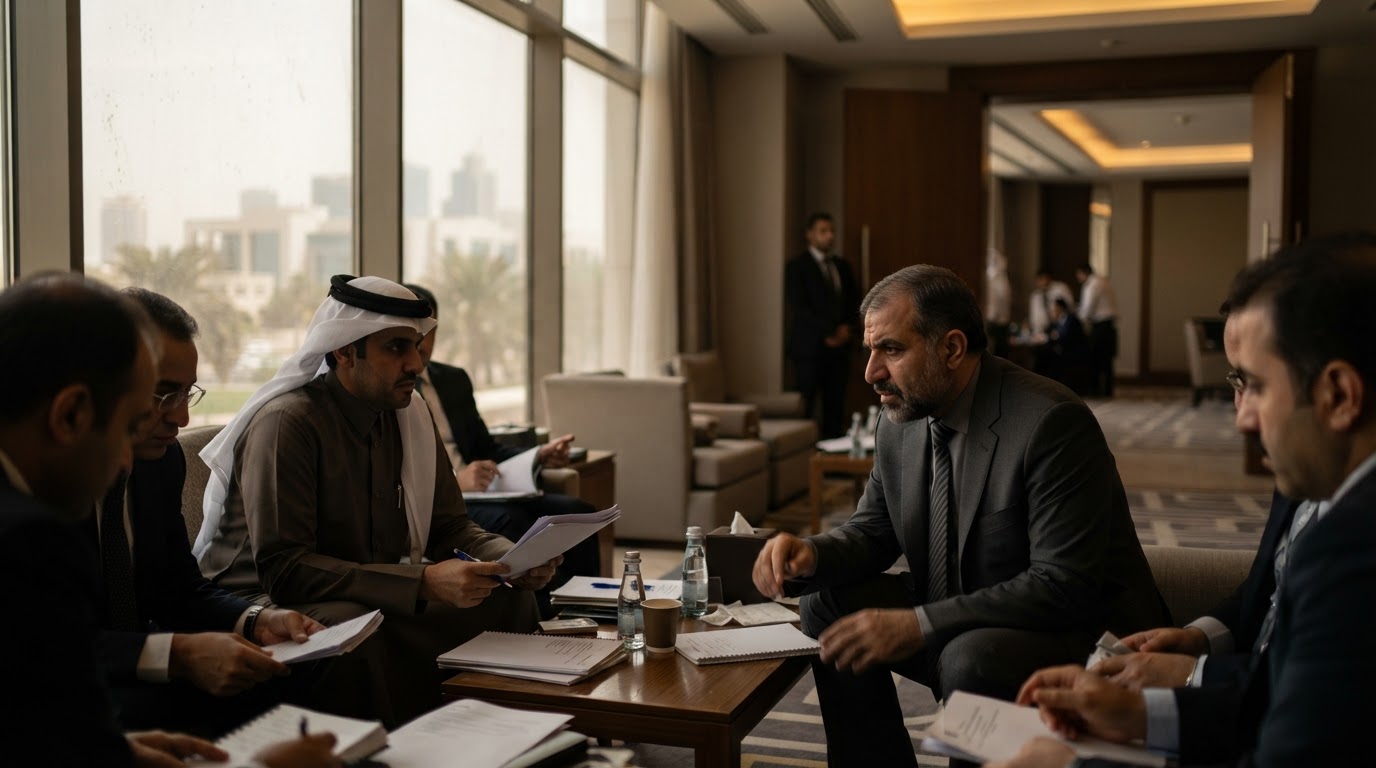
Diplomatic bargaining frequently mimics the mechanics of premium secondary markets, where perceived scarcity dictates settlement values far more than the underlying asset. In Doha, Iranian negotiators concluded a third consecutive day of discussions on Sunday alongside Qatari mediators, attempting to arrest the US-Iran war before electoral calendars dictate battlefield posture. The talks center on what Iranian state media described through Foreign Minister Abbas Araqchi as a two-day proposal, a formulation that suggests tactical breathing room rather than strategic resolution.
Araqchi confirmed to state media that discussions regarding this temporary framework continued, though no final conclusion had been reached. The diplomatic movement takes place against an explicit deadline: the Nov 3 US midterm elections. Regional observers and market participants understand that security guarantees become artificially scarce whenever domestic electoral considerations in the United States force political actors toward visible displays of resolve.
The Logic of Manufactured Ceasefires
President Donald Trump has maintained an unpredictable foreign policy posture, leaving counterparties to assess whether the threat of expanded military action is genuine leverage or manufactured urgency. In Tehran, where streets displayed banners featuring Supreme Leader Mojtaba Khamenei in late Oct 2026, governance priorities require demonstrating resilience while managing severe economic and operational stress. The mediator role played by Qatar relies precisely on exploiting this mutual vulnerability, offering a controlled venue where both combatants can test concessions without public capitulation.
Yet short-duration diplomatic structures rarely alter underlying strategic balances. A two-day proposal by its very definition treats stability as a perishable commodity, traded in fractional increments to avoid immediate catastrophe. When negotiators barter over forty-eight hours of restraint, they acknowledge that neither side possesses the institutional capital or political appetite to execute a durable settlement.
Energy-dependent economies across the Asia-Pacific region monitor these tactical negotiations with growing skepticism. While Western headlines focus on immediate de-escalation ahead of American voting, capital allocators understand that short-term diplomatic reprieves merely push structural volatility further into the calendar. Deep maritime supply corridors do not regain stability through temporary suspensions of hostilities; long-term shipping insurance and sovereign procurement demand predictability that brief diplomatic windows cannot deliver.
Limits of the Doha Channel
Advocates of the mediation process argue that even an incremental pause establishes communication conduits that prevent catastrophic miscalculation. Under this view, securing forty-eight hours of operational quiet provides Qatari interlocutors with the leverage required to convert procedural contact into sustained talks. Any mechanism that delays military escalation beyond the American midterm cycle, proponents contend, fundamentally alters the political incentives driving direct conflict.
That argument assumes tactical pauses naturally evolve into institutional agreements. In practice, temporary diplomatic reprieves often provide military planners on both sides with logistical windows to reposition assets and recalibrate targeting doctrines. With the US-Israeli confrontation involving Iran remaining unresolved at an ideological level, brief diplomatic agreements function less as peace treaties and more as holding actions designed to satisfy domestic audiences.
The talks in Doha demonstrate the fundamental tension between public spectacle and geopolitical settlement. Until Washington and Tehran establish terms that outlast electoral cycles, diplomatic relief will remain a tightly rationed product, engineered to survive the immediate electoral calendar while leaving regional stability entirely contingent.
Sources
Newsletter
Pacific Daily
A curated briefing from Thailand, Asia-Pacific and the world.