The digital 'mob' and the fragility of creative license in Asia-Pacific film
Fan expectations are reshaping how new narratives can take hold, creating a feedback loop for creators across the region.
SINGAPORE
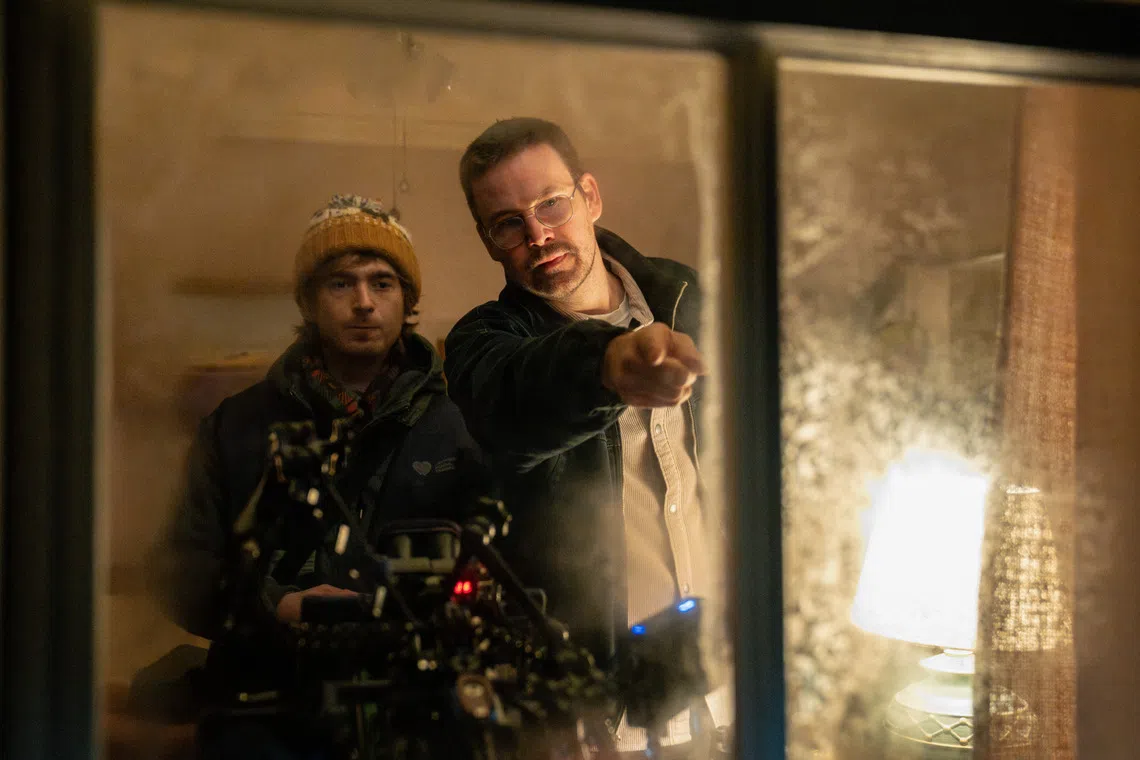
The online vitriol directed at American film-maker Zach Cregger, concerning his adaptation of the Resident Evil franchise, is not merely a Hollywood curiosity. As the latest big-screen adaptation gears up for its September 17 release, Cregger faces a backlash from fans alleging he took creative liberties with the source material.
His admission in an interview with IGN gaming news website that he was “naive” to expect fans to embrace an original story highlights a specific cultural dynamic. This dynamic, where an established narrative becomes a battleground for perceived fidelity, is increasingly apparent in the Asia-Pacific region, particularly as global franchises land on local screens and local stories seek international audiences. The 'rabid horde' Cregger confronts is less about the specifics of zombie lore and more about a shifting consumer expectation: ownership over intellectual property, even when it is not theirs.
In Bangkok's multiplexes, or Jakarta's streaming habits, the pattern is similar. Audiences, often deeply invested in specific fictional worlds through games, comics, or previous adaptations, exhibit a proprietary stance. They become arbiters of authenticity, scrutinising every deviation from established canon. This is a noticeable habit change: from passive consumption to active, often aggressive, participation in a work's narrative direction. The noise around Cregger’s Resident Evil is a cultural signal that this expectation has matured into a collective, vocal force.
Consider the implications for local creators. A Thai film director attempting a fresh take on a beloved folklore tale, or a Malaysian animator reimagining a classic myth, now operates under an unwritten but widely understood constraint. The perceived risk of fan alienation can lead to cautious adaptations, where originality is suppressed in favour of predictable fidelity. The question becomes: how much room is left for a new vision when the audience demands a repetition of the familiar?
This phenomenon, observed in the reaction to Cregger, suggests a tension between the commercial imperative to innovate within known brands and the audience’s demand for strict adherence. For producers and directors across the Asia-Pacific, understanding this digital fan culture is becoming as critical as understanding box office numbers. The creative process is no longer a unilateral act; it is a negotiation, often fraught, with a vocal segment of the intended audience. The outcome, as Cregger’s experience indicates, can be a chilling effect on the very experimentation that allows art to evolve.
Sources
Newsletter
Pacific Daily
A curated briefing from Thailand, Asia-Pacific and the world.