The Diasporic Longing for Ancient Moral Order
Modern cosmopolitan life frequently turns to classical ethics to rationalize social displacement rather than confront contemporary alienation.
SINGAPORE
Cosmopolitan transit operates on the assumption that regional identities dissolve comfortably once transplanted across borders. When modern urbanites gather far from home, the spontaneous blending of idioms and shared dining habits often appears to demonstrate effortless cultural resilience. Yet beneath this pleasant surface lies a persistent intellectual anxiety about moral continuity, prompting mobile citizens to seek anchor points in antiquity whenever distance tests their sense of social cohesion.
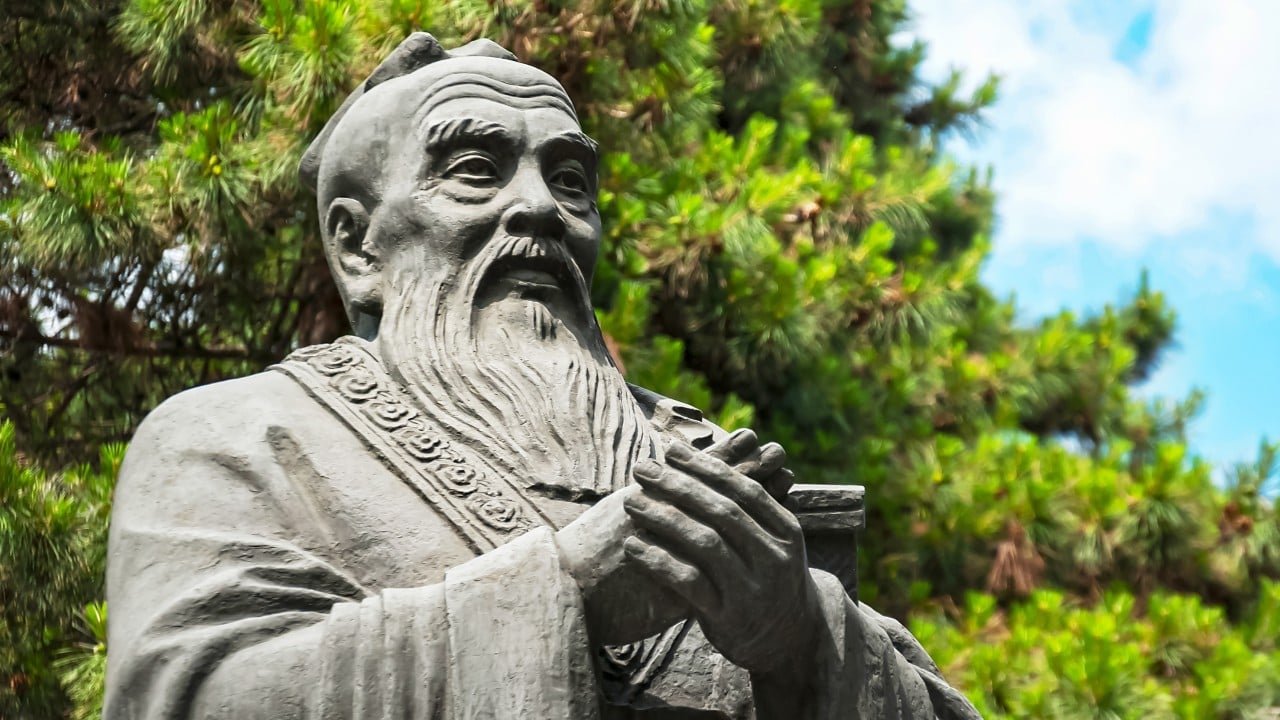
This impulse surfaced clearly in an essay by Wee Kek Koon published on 24 Oct 2026, recounting an excursion through the Czech Republic. Guiding visitors from Malaysia across Prague and neighboring municipalities, the gathering of six drifted into the Malaysian-Singaporean patois that blends English, Chinese, Malay, and vocabulary associated with India. The shared domestic ease abroad served as the preliminary backdrop for an explicit turn toward classical ethics, specifically weighing how the moral teachings of Confucius, whose life culminated in 479BC with the preservation of his thought in the Analects, continue to claim relevance today.
Antiquity as an Emotional Shelter
Having spent a lifetime between the dense metropolitan environments of Singapore and Hong Kong, an observer like Wee operates at the literal crossroads of globalized trade and institutional modernization. In such centers, everyday civility is routinely governed by commercial contracts and administrative statutes rather than ancestral veneration. Why, then, does a sociable holiday among Southeast Asian travelers in the Czech Republic turn into an inquiry regarding the enduring utility of Kongzi?
The recurring urge to resurrect classical maxims during foreign travel reveals an unstated fatigue with purely transactional modern social contracts.
Such retrospection exposes a quiet contradiction in how modern Asia-Pacific subjects conceptualize their ethical foundations. The conventional argument maintains that classical Chinese philosophy supplies universal interpersonal decencies that smoothly survive translation across languages and borders. According to this view, the moral injunctions collected after 479BC provide an ethical blueprint capable of dignifying routine social encounters, whether in Southeast Asia or within the historic quarters of Prague.
The Unresolved Modern Fracture
That reading, however, treats moral philosophy as an ornamental luxury rather than a historically bound institutional framework. The Analects took shape to address structural breakdown across warring states, proposing fixed obligations, rigorous ritual hierarchy, and strict communal roles. When contemporary commentators living between Hong Kong and Singapore enlist these ancient precepts during leisurely overseas travels, they are not reviving an operative ethical system. Instead, they reach for a reassuring vernacular of personal decency to paper over the rootless nature of modern international mobility.
This displacement carries intellectual consequences for societies across the Asia-Pacific that pride themselves on rapid modernization while asserting cultural uniqueness. By framing classical thought as a timeless collection of etiquette tips, contemporary discourse strips ancient ethics of their sharpest political demands. The moral order envisioned by Confucius was never an informal accompaniment to leisure travel, but an exacting structure of civic accountability and mutual obligation designed to govern community life.
Whether inherited philosophy can actually govern modern atomized lives without the communal structures that once sustained it remains an unresolved tension. A composite patois may bind six travelers over a meal in Prague, but borrowing maxims from antiquity does not reconstitute an inherited moral architecture. It merely demonstrates how intensely displaced urbanites yearn to believe that ancestral wisdom still shields them against contemporary estrangement.
Sources
Newsletter
Pacific Daily
A curated briefing from Thailand, Asia-Pacific and the world.