The Cost of Containment
Massive arrest tallies mask fiscal fractures that policing cannot resolve
SINGAPORE
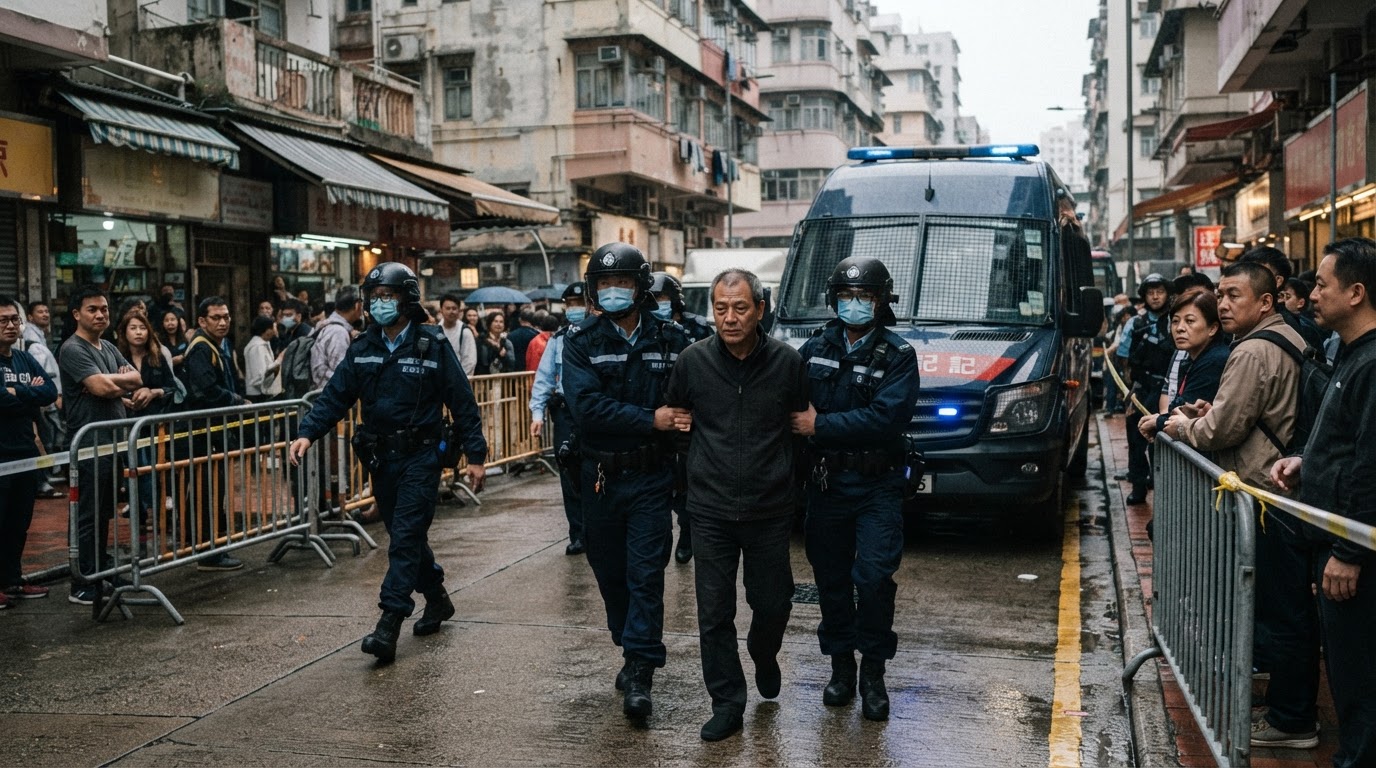
Arresting 855 people in Paris does not lower the price of food. On Saturday, enforcement operations across France reached that tally in the capital alone. By Sunday, Oct 18, the Paris prosecutor's office held more than 500 detainees in custody. Property damage followed demonstrations across Paris and Lyon over the high cost of living. Deputy mayor Lamia El Aaraje confronted visible retail destruction across municipal sectors. Public security officials treat street friction as an operational breakdown. For a market analyst, it represents an acute balance-sheet shock.
Enforcement is an expensive operating expenditure. It leaves the primary driver of civil unrest completely untouched.
Mobilising police units across major urban centres diverts municipal capital into containment rather than remediation. Street blazes and commercial breakages in Lyon illustrate how consumer distress translates into asset impairment for commercial operators. Real household liquidity contracts when prices outpace purchasing power. Operational deployments may suppress visible disruption at street level. Yet physical force generates zero consumer demand.
Fiscal Limits and Public Order
Detention functions as a high-friction transfer payment. Processing 855 individuals through central booking desks consumes court capacity. Holding 500 people in cells demands state overtime and custodial infrastructure. These outlays draw on tax receipts that could otherwise absorb living costs. The state funds detention facilities instead of stabilising domestic purchasing power.
Physical force generates zero consumer demand.
Macroeconomic stability requires solvent households. Demonstrations during 2023 had already registered public resistance against structural welfare shifts. By late 2026, prolonged price increases have stripped disposable savings from working populations. The standard counterargument insists that aggressive police interventions protect property and sustain investor confidence. Orderly streets keep logistics networks moving. However, police shields cannot clear bad corporate inventory or restore depleted household reserves.
The Regional Contagion
The French unrest offers a clear lesson for policymakers monitoring sovereign exposure across the Asia-Pacific. Several emerging economies across the region run on narrow municipal safety nets and high food import exposure. When the basic cost of subsistence outpaces wage adjustments, political friction predictably concentrates on central transit junctions. Managing that economic stress through domestic security forces merely delays balance-sheet realignments. Trade deficits cannot be arrested.
Credit markets price sustained civil unrest into sovereign risk. Portfolio managers penalise governments that attempt to fund both police mobilisations and price subsidies at the same time. The commercial velocity of urban centres drops as security operations expand. Holding 500 citizens in cells after a single weekend signals an exhausted fiscal policy rather than state authority.
Public order is a byproduct of solvency. Law enforcement agencies can clear avenues, and courts can book hundreds of detainees. Neither mechanism resolves the underlying household insolvency that drove citizens into the streets.
Sources
Newsletter
Pacific Daily
A curated briefing from Thailand, Asia-Pacific and the world.