The Conservation Arithmetic That Stalls at the Shoreline
Diplomatic summits register vast marine targets, yet the fiscal architecture necessary to anchor them remains largely unbuilt.
SINGAPORE
Diplomatic assemblies treat spatial enclosure as an unalloyed virtue, yet drawing borders across open water resolves almost none of the financial liabilities that follow. At the United Nations biodiversity summit known as COP17, convened in Armenia, ministers and frontline conservationists gathered under the operational shadow of a looming 2030 target. International consensus has coalesced around sequestering 30 percent of marine and terrestrial systems. What negotiating floors consistently avoid resolving is why the fiscal commitments required to sustain those borders continue to dissolve before reaching maritime frontiers.
Delegates representing the Global South arrived in Armenia carrying structural grievances that are both persistent and historically predictable. Developing coastal jurisdictions face sustained diplomatic pressure to designate sovereign waters as marine reserves, even as capital fails to materialize from the multilateral architecture. Enforcing maritime boundaries requires operational funding and institutional oversight. When promised funding stalls, coastal governance falls into an administrative bind: multilateral communiqués celebrate sweeping protected expanses, while coastal authorities shoulder uncompensated surveillance burdens.
The Friction of Enclosure
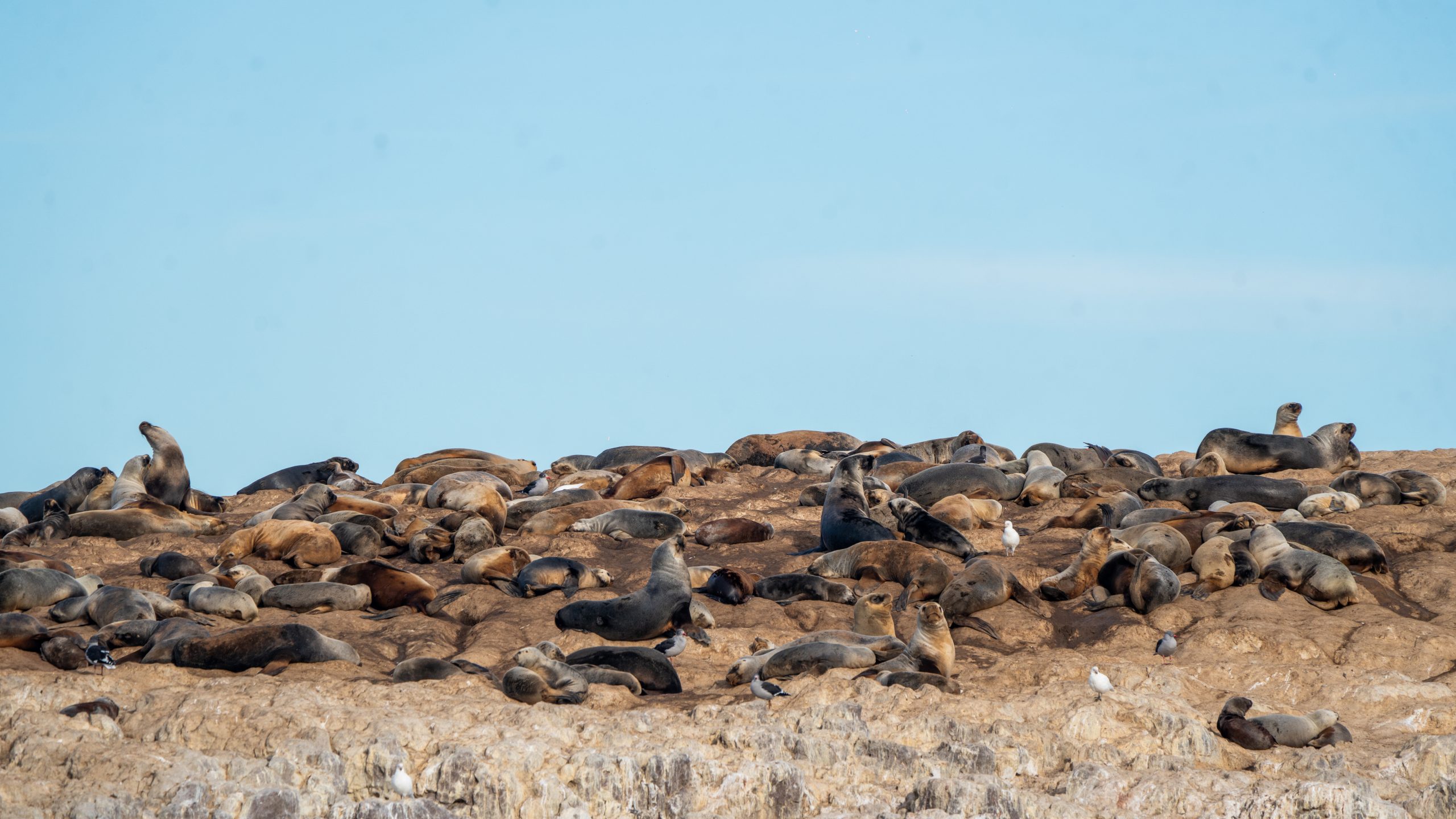
Consider the operational realities recorded off the coast of South America. Along the shoreline of Chubut within the Patagonian Sea, an Argentine marine sanctuary encompasses 3,000 sq km of open water. This coastal habitat sustains populations of giant petrels alongside migratory red knots. Field documentation from Rewilding Argentina and researchers such as Mariana Cassini illustrates the acute strain of managing these maritime domains. Cassini and her colleagues observe that spatial protection cannot endure within a capital vacuum. Safeguarding an offshore marine expanse differs fundamentally from cordoning off a park like Yosemite in the United States. Marine life moves continuously across administrative lines, demanding recurring operational outlays rather than static perimeter markers.
Multilateral development bodies have openly acknowledged this capital deficit. The Asian Development Bank established an institutional presence at CBD COP17 alongside United Nations Development Programme representatives, including UNDP Associate Administrator Haoliang Xu. Regional development lenders have promoted innovative financing tools, introducing environmental tracking systems alongside specialized nature bonds to attract private capital. Multilateral officials argue that structured debt instruments can bridge public shortfalls and environmental preservation.
Preserving ocean habitats demands permanent operational liquidity rather than static boundary markers.
Yet this market-oriented remedy introduces an unexamined contradiction. Financial mechanisms designed around nature preservation assume marine ecosystems can yield reliable fiscal returns without compromising their ecological functions. Private capital inevitably seeks predictable revenue mechanics, whereas marine conservation requires direct, permanent public subsidy. For developing littoral nations across the Asia-Pacific and Latin America, market-led environmental finance risks imposing administrative compliance hurdles while leaving daily operational patrol budgets exposed to sovereign revenue shortfalls.
The Unresolved Ledger
The fundamental conflict running beneath COP17 is not whether 30 percent protection by 2030 is ecologically sound, but who pays for global natural capital. Wealthy industrialized states, having largely depleted their domestic marine ecologies, routinely champion rigorous conservation targets abroad without accepting statutory obligations to underwrite reserves managed by less affluent nations. Meanwhile, developing maritime states are expected to act as global ocean custodians while foregoing territorial revenue.
Resolving this structural imbalance requires acknowledging that ocean preservation is an ongoing sovereign expenditure rather than an asset class awaiting commercial underwriting. As long as summit diplomacy prioritizes sweeping geographic declarations over direct fiscal transfers, sanctuaries across the Patagonian Sea and developing archipelagos will remain structurally vulnerable. International negotiations move through Armenia with procedural momentum, but the underlying financial shortfall remains anchored at the shoreline.
Sources
Newsletter
Pacific Daily
A curated briefing from Thailand, Asia-Pacific and the world.